
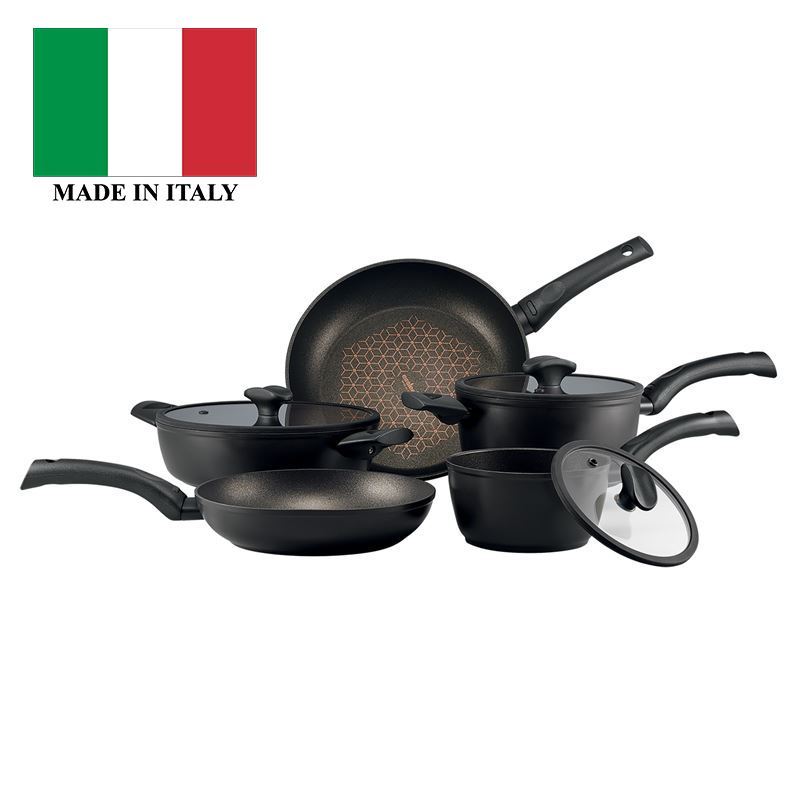
Choosing the ideal cookware set is essential for any home chef or culinary enthusiast aiming to prepare delicious meals efficiently. A high-quality cookware set can dramatically impact your cooking experience, offering consistent heat distribution, durability, and ease of maintenance. This guide explores the crucial factors to consider when selecting pots and pans to suit your kitchen and cooking style.
Understanding Different Types of Cookware Materials
Cookware sets come in various materials, each with unique properties affecting cooking performance. Common materials include stainless steel, cast iron, non-stick coatings, copper, and aluminium. Understanding these will help determine which set aligns best with your culinary needs.
Stainless Steel
Stainless steel is renowned for its durability, resistance to rust, and ability to withstand high temperatures. It does not react with acidic or alkaline foods, making it a versatile choice. However, pure stainless steel has poor heat conductivity, so high-quality sets often feature an aluminium or copper core to enhance heat distribution.
Cast Iron
Cast iron cookware excels in heat retention and even heat distribution, making it suitable for slow-cooking and frying. It requires seasoning to maintain the non-stick surface and prevent rust. Although heavier than other materials, cast iron is highly durable and can last for generations.
Non-Stick
Non-stick cookware allows cooking with minimal oil and facilitates easy cleaning. The coated surface prevents food from adhering, ideal for delicate dishes such as eggs and pancakes. Nevertheless, non-stick coatings may degrade over time and are sensitive to high heat and abrasive utensils.
Copper
Copper offers superior conductivity for precise temperature control. It heats up quickly and cools rapidly, which is beneficial for recipes requiring temperature adjustments. Copper cookware often requires polishing to maintain its appearance and is usually lined with stainless steel or tin to prevent reactions with food.
Aluminium
Aluminium heats evenly and quickly. However, it reacts with acidic foods, potentially affecting taste and appearance, so most aluminium cookware is anodised or coated to prevent this. It is lightweight and often more affordable than other materials.
Essential Components of a Cookware Set
An effective cookware set typically includes a selection of pots and pans suitable for various cooking methods. Hanging on to fundamental pieces ensures versatility in meal preparation.
Frying Pan or Skillet
Ideal for frying, searing, and sautéing, a frying pan is a staple in any cookware set. It should have a flat bottom and flared sides for easy turning and stirring of food.
Saucepan
Used for boiling, simmering, and making sauces, saucepans usually come with lids and different sizes to cater to small or large portions.
Sauté Pan
A sauté pan has straight, tall sides and a large surface area, suitable for frying and cooking liquids. Its shape allows for even cooking and reducing sauces.
Stockpot or Dutch Oven
For boiling large volumes or slow cooking stews and soups, a stockpot or Dutch oven is necessary. Cast iron versions of Dutch ovens also double as excellent ovenware.
Considerations When Choosing a Cookware Set
Several factors should guide the selection process to ensure the cookware set serves your cooking style and kitchen demands.
Cooking Habits
Assess the types of dishes you frequently prepare. For example, if stir-frying is common, a wok might be a necessary addition. For baking or roasting, oven-safe cookware becomes essential.
Burner Compatability
Ensure the cookware is compatible with your heat source. Induction cooktops require magnetic-based cookware such as magnetic stainless steel or cast iron.
Durability and Maintenance
Consider how much time you are willing to dedicate to cleaning and upkeep. While cast iron requires seasoning, stainless steel is generally low maintenance. Non-stick surfaces need gentle care to maintain longevity.
Budget
Cookware sets vary widely in price. Investing in mid to high-range cookware can provide better performance and longer service life but assess your budget and balance cost with quality.
Size and Storage
Evaluate the storage space in your kitchen and choose a set that fits comfortably. Some sets are stackable or come with nesting features to save space.
Advantages of Purchasing a Cookware Set
Buying a complete cookware set rather than individual pieces offers several benefits. Sets usually provide consistency in design, material, and performance, ensuring an aesthetically pleasing and functional kitchen collection.
Purchasing a set also often comes with cost savings compared to buying each item separately. Additionally, having all the essential pots and pans readily available allows for more efficient meal preparation and versatile cooking techniques.
Tips for Maintaining Your Cookware Set
Proper maintenance helps prolong the life of your cookware and preserve its performance. Follow manufacturer instructions for cleaning and storage. Avoid using metal utensils on non-stick coatings to prevent damage. Season cast iron regularly and clean stainless steel to remove stains without harsh abrasives.
Conclusion
Selecting the perfect pots and pans for your kitchen requires consideration of material, size, cooking habits, and care preferences. Investing in a quality cookware set ensures durability, cooking efficiency, and satisfaction in every meal prepared. By understanding these aspects, consumers can make informed decisions tailored to their culinary lifestyle and kitchen environment.