
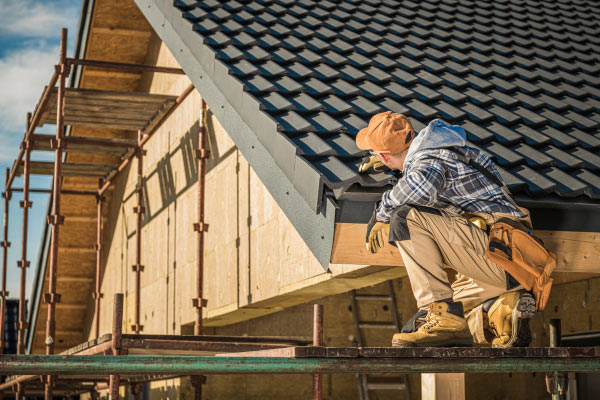
Replacing a roof is one of the most significant maintenance projects a homeowner may undertake. A properly installed roof protects the home from rain, wind, heat, storms, and moisture while contributing to the property’s overall appearance and value. Because roof replacement involves substantial planning and investment, understanding the process can help homeowners make confident decisions.
Whether your roof is aging, damaged by severe weather, or experiencing repeated leaks, this guide explains the important factors to consider before, during, and after a roof replacement project.
Texas Pro Build – Fort Worth roofing company providing dependable roofing solutions for homeowners and businesses. The family-owned, BBB-accredited team offers professional roof repairs, replacements, maintenance, and free inspections. Whether your property has storm damage, leaks, missing shingles, or an aging roof, experienced roofing professionals can assess the condition and recommend the right solution. Texas Pro Build focuses on quality workmanship, reliable service, and clear communication throughout every project. From minor repairs to complete roof replacements, customers can receive personalized assistance designed around their property’s needs. Contact Texas Pro Build today to schedule your free roofing inspection and request a quote.
When Should You Replace Your Roof?
Not every roofing problem requires a complete replacement. Minor damage may be repairable, while widespread deterioration can make replacement more practical.
Signs that your roof may need replacement include:
- Frequent leaks
- Missing or damaged shingles
- Widespread cracking
- Sagging areas
- Significant material deterioration
- Repeated repair requirements
- Extensive storm damage
- An aging roofing system
A professional inspection is the best way to determine whether replacement is necessary. An experienced roofing contractor can evaluate the roof and explain whether repair, restoration, or replacement is appropriate.
Start With a Professional Roof Inspection
Before planning a replacement, have the existing roofing system inspected. A professional can identify visible and underlying problems and determine the condition of important components.
An inspection may cover:
- Roofing materials
- Roof decking
- Flashing
- Underlayment
- Ventilation
- Gutters
- Drainage
- Roof penetrations
This assessment can help homeowners understand the full scope of the project before work begins.
Set a Realistic Roofing Budget
Roof replacement costs can vary considerably depending on the size and design of the roof, materials selected, labor requirements, removal of existing roofing, and other project factors.
When creating a budget, consider:
- Roofing materials
- Labor
- Removal and disposal
- Underlayment
- Flashing
- Ventilation
- Gutters or drainage work
- Necessary decking repairs
- Cleanup
Ask contractors for detailed written estimates so you can compare proposals accurately.
Choose the Right Roofing Material
Homeowners have many roofing materials to consider. The best option depends on the home’s design, climate, structural requirements, budget, and personal preferences.
Common choices include:
Asphalt Shingles
Asphalt shingles are widely used for residential homes because they offer a practical combination of cost, appearance, and performance.
Metal Roofing
Metal roofing can provide durability and is available in a variety of styles and finishes.
Tile Roofing
Tile can create a distinctive appearance and may provide long-term performance. Because tile can be relatively heavy, structural requirements should be evaluated.
Slate Roofing
Slate offers a premium natural appearance and can have a long service life when properly installed and maintained.
Synthetic Roofing
Synthetic materials can provide alternatives that replicate the appearance of traditional roofing products while offering different performance characteristics.
Discuss the advantages and limitations of each material with your roofing contractor.
Consider Your Local Climate
Weather conditions should play a role in roofing decisions. Homes exposed to frequent storms, heavy rainfall, strong winds, extreme heat, or other environmental conditions may require specific materials and installation practices.
A knowledgeable local roofing contractor can recommend options suited to the area’s conditions.
Select an Experienced Roofing Contractor
Choosing the right contractor is one of the most important steps in roof replacement.
Look for a company with:
- Relevant roofing experience
- Appropriate licensing where required
- Insurance coverage
- Strong references
- Positive reviews
- Written estimates
- Clear warranty information
- Professional communication
Don’t automatically choose the contractor with the lowest estimate. The quality of materials and workmanship can have a major impact on the roof’s long-term performance.
Get Multiple Estimates
Obtaining several estimates allows you to compare contractors and understand the expected cost.
When comparing proposals, look at the complete scope of work rather than just the final price.
Check whether each estimate includes:
- Material costs
- Labor
- Old roof removal
- Disposal
- Underlayment
- Flashing
- Ventilation
- Cleanup
- Warranty
A lower quote may not include the same services or materials as another proposal.
Understand the Contract
Before work begins, carefully review the roofing contract.
It should explain:
- Project scope
- Materials
- Total price
- Payment terms
- Estimated schedule
- Warranty information
- Cleanup responsibilities
- Change-order procedures
Ask questions about anything you do not understand before signing.
Prepare Your Home for Replacement
Roof replacement can create noise, vibration, and construction debris. Preparing your home beforehand can make the process easier.
Homeowners may want to:
- Protect fragile items in the attic
- Move vehicles away from the work area
- Secure outdoor furniture
- Keep children away from construction zones
- Make arrangements for pets
- Inform neighbors about expected noise
Your contractor can provide additional preparation instructions based on the project.
Inspect the Roof Decking
When the existing roof is removed, contractors may discover damaged decking underneath. Roof decking provides the structural base for many roofing systems.
If sections are weakened by moisture or deterioration, they may need to be repaired or replaced before new roofing materials are installed.
This is one reason why final project costs can sometimes differ from an initial estimate when hidden damage is discovered.
Pay Attention to Ventilation
Roof ventilation is an important part of a complete roofing system. Proper ventilation helps manage heat and moisture in attic areas.
During replacement, ask your contractor to evaluate the existing ventilation system.
Potential improvements may help support:
- Moisture management
- Roof performance
- Attic comfort
- Material longevity
The appropriate ventilation strategy depends on the roof and building design.
Don’t Forget Flashing
Flashing is used around areas where the roof intersects with other structures or penetrations, such as chimneys, vents, skylights, and walls.
These locations can be particularly vulnerable to water intrusion.
Proper flashing installation is therefore an important part of roof replacement.
Consider Gutters and Drainage
A new roof should work effectively with the home’s drainage system. Gutters and downspouts need to direct rainwater away from the building.
During a replacement project, consider whether existing gutters, downspouts, or drainage components need repair or replacement.
Understand Roofing Warranties
Roofing projects may involve separate warranties for materials and workmanship.
Before choosing a contractor, ask:
- What does the material warranty cover?
- How long is coverage provided?
- Is installation covered?
- Are there exclusions?
- What maintenance is required?
Keep warranty documentation in a safe place after the project is completed.
Monitor the Installation
Homeowners don’t need to supervise every detail, but they should remain available for important questions and decisions.
Your contractor should communicate if unexpected conditions are discovered or if changes to the original plan are necessary.
Avoid making changes based solely on verbal discussions. Important modifications should be documented appropriately.
Final Roof Inspection
Once the installation is complete, inspect the finished project with the contractor.
Look for:
- Complete material coverage
- Proper flashing
- Clean roof edges
- Secure gutters
- Proper cleanup
- Removal of construction debris
Ask the contractor about maintenance requirements and any issues that should be monitored.
Maintain Your New Roof
A new roof still requires regular maintenance. Keeping gutters clear, removing debris, inspecting flashing, and addressing minor problems early can help protect the roofing investment.
Schedule professional inspections when appropriate, particularly after severe weather.
Conclusion
A roof replacement is a major investment, but careful planning can make the process more manageable. Start with a professional inspection, establish a realistic budget, research suitable materials, and compare detailed estimates from experienced contractors.
Pay attention to installation quality, ventilation, flashing, drainage, warranties, and long-term maintenance. Avoid choosing a contractor solely because of the lowest price; instead, consider experience, reputation, materials, workmanship, and overall value.
With the right preparation and a qualified roofing professional, homeowners can replace an aging or damaged roof with a dependable system designed to provide protection, comfort, and long-term value for the property.