
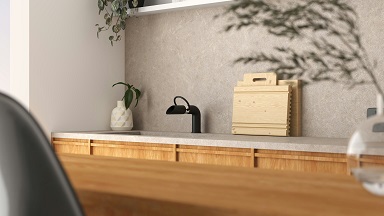
Modern kitchen design serves not only as a statement of style but also as a hallmark of functionality in contemporary home architecture. This concept represents a significant shift from traditional designs, emphasizing open spaces, sleek lines, and efficient layouts that cater to the demands of modern living. Today, homeowners are increasingly prioritizing kitchen design as a crucial element of their overall home aesthetic, impacting both desirability and functionality. What defines a modern kitchen can vary, but several common characteristics tend to prevail. These kitchens are typically characterized by minimalist aesthetics, often featuring a monochromatic color palette, bold accents, and high-quality materials such as stainless steel and engineered stone. Additionally, modern kitchen design incorporates technology and innovation, integrating smart appliances and high-efficiency fixtures that create a harmonious blend of utility and elegance. This synergy enhances daily cooking experiences and reflects modern lifestyles where convenience and style coexist.
Moreover, the significance of kitchen design extends beyond mere appearance. A well-planned kitchen layout can improve workflow, facilitate social interaction, and increase home value. As the heart of the home, kitchens are increasingly becoming multifunctional spaces where cooking, dining, and entertaining converge. Homeowners recognize that a thoughtfully designed kitchen can enhance quality of life and create inviting atmospheres for family gatherings and social events.
In essence, modern kitchen design is about striking a balance between aesthetic appeal and practical use. It responds to the evolving needs of homeowners, making it an essential consideration in building and remodeling projects. Embracing current design trends not only elevates a kitchen’s visual impact but also underscores its role as a central hub within the home.
Key Elements of Modern Kitchen Design
Modern kitchen design is characterized by several fundamental components that significantly enhance both functionality and aesthetics. One of the primary elements is the open floor plan, which creates a sense of spaciousness and facilitates seamless interaction between the kitchen and other living areas. This layout encourages a more social ambiance, making it ideal for families and guests to gather.
Another critical aspect is minimalist cabinetry, which emphasizes clean lines and simple forms. Such cabinetry often features handle-less designs or subtle hardware, contributing to the overall uncluttered appearance of the kitchen. The use of neutral colors and high-quality materials in cabinetry ensures durability while maintaining a timeless elegance. By incorporating open shelving, homeowners can display decorative items or frequently used kitchenware, further enhancing the modern appeal.
High-tech appliances play a pivotal role in modern kitchens. These devices not only enhance cooking efficiency but also promote a streamlined workspace. Innovations such as smart refrigerators, induction cooktops, and built-in coffee machines cater to the needs of contemporary lifestyles, adding both comfort and functionality. By integrating these high-tech gadgets, homeowners can elevate their cooking experience while maintaining a sleek appearance.
Lastly, the incorporation of sustainable materials is becoming increasingly significant in modern kitchen design. Eco-friendly countertops, flooring, and cabinetry made from recycled or responsibly sourced materials appeal to environmentally conscious homeowners, forming a crucial aspect of modern aesthetic and functionality. Embracing sustainability while opting for contemporary designs allows individuals to create a kitchen that is not only modern but also conscientious.
Trendy Materials and Finishes
In the realm of modern kitchen design, the choice of materials and finishes plays a pivotal role in establishing the aesthetic and functionality of the space. One of the most sought-after materials in contemporary kitchens is quartz. Known for its durability and low maintenance, quartz countertops come in a myriad of colors and patterns, making them versatile enough to suit various design schemes. Homeowners often appreciate quartz for its resistance to stains and scratches, a feature that is particularly advantageous in high-traffic kitchen environments.
In addition to quartz, stainless steel appliances have maintained their popularity, resonating with the industry’s trend toward sleek, industrial designs. Stainless steel offers not only a modern look but also ease of cleaning and long-lasting durability. These appliances are often viewed as essential components of contemporary kitchens, providing both style and practicality.
Wood finishes are another trending element that add warmth and texture to modern kitchen designs. Ranging from light oak to rich walnut, wood can be incorporated in cabinet designs, flooring, or as accents throughout the kitchen. The use of reclaimed wood adds a unique and sustainable touch, appealing to eco-conscious homeowners looking to reduce their environmental impact.
Backsplashes are no longer just functional; they are making bold statements in modern kitchens. Creative options such as colorful tiles, geometric patterns, or even glass backsplashes allow for personalization and can tie together various design elements. When selecting materials and finishes, it is imperative to consider not only the overall style but also budget constraints. Those seeking luxurious finishes may opt for higher-end materials in strategic areas, while embracing more cost-effective options for large surfaces, ensuring that their kitchen remains stylish yet financially feasible.
Latest Color Palettes
Modern kitchen design is significantly influenced by color palettes that not only enhance the aesthetic appeal but also affect the mood and perception of space. As we explore the latest trends, it is essential to recognize the balance between striking hues and the serene undertones of neutral colors. Neutral tones such as whites, beiges, and greys are highly sought after for their ability to create a clean and spacious appearance. These shades also provide an excellent backdrop for more vibrant accent colors, allowing homeowners to personalize their kitchens without overwhelming the senses.
Incorporating bold accent colors such as deep blues, rich greens, or even vibrant yellows can profoundly alter the ambience of a kitchen. These hues can be strategically applied to cabinetry, backsplash, or even kitchenware to introduce an element of dynamism. However, it is crucial to consider the overall design scheme to avoid color clashes. For individuals working within a specific budget, blending these bold accents with more affordable elements—like paint or decorative accessories—can achieve a modern look without excessive spending.
Another emerging trend is the use of two-tone cabinetry, which allows for the combination of different colors to create visual interest while maintaining cohesiveness. For instance, white upper cabinets paired with navy blue lower cabinets can enhance a contemporary kitchen’s aesthetic while keeping costs manageable. Additionally, wood tones mixed with modern colors can bring warmth to a space, making it feel inviting.
To summarize, selecting the right color palette for a modern kitchen involves understanding the psychological effects of colors and how they can be utilized to enhance both style and function. By choosing a combination of neutral tones and selective bold hues, homeowners can design a kitchen that reflects their personality while remaining within budget constraints.
Smart Kitchen Technology
In recent years, the integration of smart kitchen technology has transformed the way we prepare and cook meals. Smart refrigerators, for instance, are becoming increasingly popular features in modern kitchens. These devices often come equipped with touch screens that allow users to track expiration dates of items, create shopping lists, and even access recipes. Additionally, some smart refrigerators offer internal cameras that enable homeowners to view the contents without opening the door, promoting energy efficiency and convenience.
Voice-activated appliances are another significant advancement in kitchen design. Devices like smart ovens, dishwashers, and coffee makers can be controlled using simple voice commands, enhancing the cooking experience while allowing users to multitask effectively. For example, a home chef can start preheating an oven or program a coffee machine while handling other cooking activities, ultimately saving time and effort.
Home automation systems also play a crucial role in modern kitchen technology. These systems allow users to control various appliances and lighting from a single interface, creating a seamless and efficient kitchen environment. With the proliferation of smart home devices, homeowners can now monitor their kitchen’s activity remotely, ensuring that everything is in order even when they are away.
Implementing smart kitchen technology can be adapted to different budget levels. While top-of-the-line appliances may be high in price, there are often affordable alternatives that provide similar features without compromising functionality. Moreover, prioritizing certain technologies based on individual needs can further help manage costs. For those starting small, even integrating a few smart devices can significantly enhance the culinary experience, making it increasingly efficient and enjoyable.
Budget-Friendly Design Ideas
A modern kitchen remodel does not have to be exorbitantly priced. There are numerous innovative ways to achieve an impressive kitchen aesthetic while remaining budget-conscious. One of the simplest strategies is to embark on DIY projects. Simple tasks such as repainting cabinets or creating custom backsplashes from affordable materials can transform the look of a kitchen without the hefty labor costs of hiring professionals. Many online resources and tutorials provide step-by-step instructions, making these projects accessible to anyone willing to invest a little time and effort.
Another approach to modernizing your kitchen is through upcycling older cabinets. Rather than purchasing entirely new cabinetry, consider revitalizing what you already possess. Techniques such as sanding and staining can breathe new life into outdated designs, and replacing hardware with contemporary knobs and handles can dramatically change their appearance. This not only cuts costs but also lessens environmental impact by reducing waste.
When it comes to appliances, it is essential to source those that fit both your budget and your design vision. Look for energy-efficient models that offer functional benefits without the premium price tag. Shopping during holiday sales, or at warehouse stores, can yield significant savings. Additionally, consider purchasing gently used or refurbished appliances, which can provide high-end features at a fraction of the original cost.
Sourcing affordable materials for countertops, floors, and backsplashes can also contribute to a modern look. Options like laminate countertops or vinyl flooring mimic high-end finishes at a more accessible price point. Lastly, do not overlook the power of simple accessories. Incorporating stylish decor elements, such as decorative dish racks or contemporary lighting fixtures, can enhance the overall aesthetic while remaining within budget.
High-End Kitchen Trends for Luxury Budgets
When it comes to high-end kitchen design, the focus is on creating spaces that embody luxury while also emphasizing functionality and aesthetics. One of the most prominent trends for luxury kitchens is the incorporation of custom cabinetry. These bespoke cabinets are crafted to fit the unique dimensions and layout of the kitchen, allowing homeowners to maximize space and create a cohesive look. Custom cabinetry offers an array of materials, finishes, and styles, enabling a truly personalized design that complements the overall décor of the home.
In addition to cabinetry, high-quality finishes are essential in luxury kitchen design. Materials such as natural stone countertops, hardwood flooring, and brushed metal fixtures not only enhance the visual appeal but also offer durability and longevity. Selecting finishes that convey a sense of elegance, such as matte black hardware or polished brass accents, can elevate the kitchen space and make it an inviting area for both cooking and entertaining.
Furthermore, luxury appliances are a significant aspect of modern high-end kitchen trends. Integrated appliances, such as built-in refrigerators and ovens, seamlessly blend into the cabinetry, providing a sleek and uncluttered visual. High-performance appliances, such as professional-grade gas ranges and wine refrigerators, cater to the culinary enthusiast, enabling them to elevate their cooking experience. Homeowners are also increasingly opting for energy-efficient models that reduce their environmental impact while maintaining luxury and style.
Moreover, these high-end designs often incorporate modern minimalism, which emphasizes clean lines and a clutter-free environment. The goal is to create spaces that are both functional and aesthetically pleasing, ensuring that luxury does not come at the expense of practicality. With these first-class trends, kitchens can be transformed into sophisticated areas that not only meet daily needs but also serve as an impressive gathering spot for family and friends.
Real-Life Examples and Inspiration
When exploring modern kitchen design trends, observing real-life transformations can provide valuable inspiration. Each kitchen project serves as a testament to the creativity that can flourish regardless of budget constraints. Here, several case studies exemplify how strategic design choices can elevate a kitchen’s functionality and aesthetic appeal.
For instance, consider a charming 200-square-foot galley kitchen remodel completed on a modest budget of $15,000. The homeowner opted for a fresh coat of paint using bright, airy tones that instantly opened up the space. Enhanced by the addition of open shelving instead of bulky cabinets, the kitchen not only feels more spacious but also allows for personalized decor, contributing to an inviting atmosphere. The incorporation of energy-efficient appliances, sourced from a local retailer during a promotional event, illustrates how budget-conscious decisions can lead to stylish, sustainable outcomes.
In another remarkable transformation, a family with a $30,000 budget completely revamped their outdated U-shaped kitchen. By focusing on a few key upgrades, including quartz countertops and sleek cabinetry, they achieved a modern design that retained the kitchen’s original footprint. The use of a bold tile backsplash adds a pop of color and personality, making the kitchen a focal point for family gatherings. Before-and-after images of this project starkly highlight the impact of thoughtful design decisions and strategic budgeting.
These examples underscore that significant and stylistic kitchen transformations are achievable across various budget ranges. From cost-effective DIY solutions to careful selections of materials and finishes, the key lies in embracing creativity and functionality. Such inspiring case studies invite homeowners to envision their own kitchen upgrades, encouraging them to explore a palette of design opportunities tailored to their financial capabilities.
Conclusion: Finding Your Perfect Modern Kitchen
As we wrap up our exploration of modern kitchen design trends, it is important to recognize that creating your ideal culinary space does not have to be a daunting task. Understanding the diverse range of options available allows you to curate a kitchen that aligns with both your personal style and budgetary constraints. Throughout this blog, we have highlighted various trends that cater to different financial capacities, showcasing that beauty and functionality can coexist irrespective of the price tag.
First and foremost, identifying your unique style is crucial. Whether your preferences lean towards minimalistic elegance, rustic charm, or industrial chic, there is a modern kitchen design trend that can reflect your individuality. Engaging with various resources such as design magazines, online platforms, or visiting kitchen showrooms can inspire you to visualize your ideal space.
Next, consider your budgetary limitations. Many design elements can be adapted to suit different price ranges. For example, opting for open shelving instead of high-end cabinetry can reduce costs while maximizing space. Similarly, choosing affordable yet stylish countertops or backsplashes can significantly enhance the aesthetic without overspending.
Taking actionable steps is the final stride toward achieving your dream modern kitchen. Start by outlining your priorities—what features are non-negotiable? Following this, create a comprehensive plan that also accounts for any potential contractors or suppliers needed for installation and construction. By establishing a clear roadmap, you can navigate the journey of transforming your kitchen with confidence.
In conclusion, regardless of your financial situation, a stunning and functional modern kitchen is within reach. By understanding your style, setting a realistic budget, and planning judiciously, you can craft a space that not only meets your culinary needs but also serves as the heart of your home.