
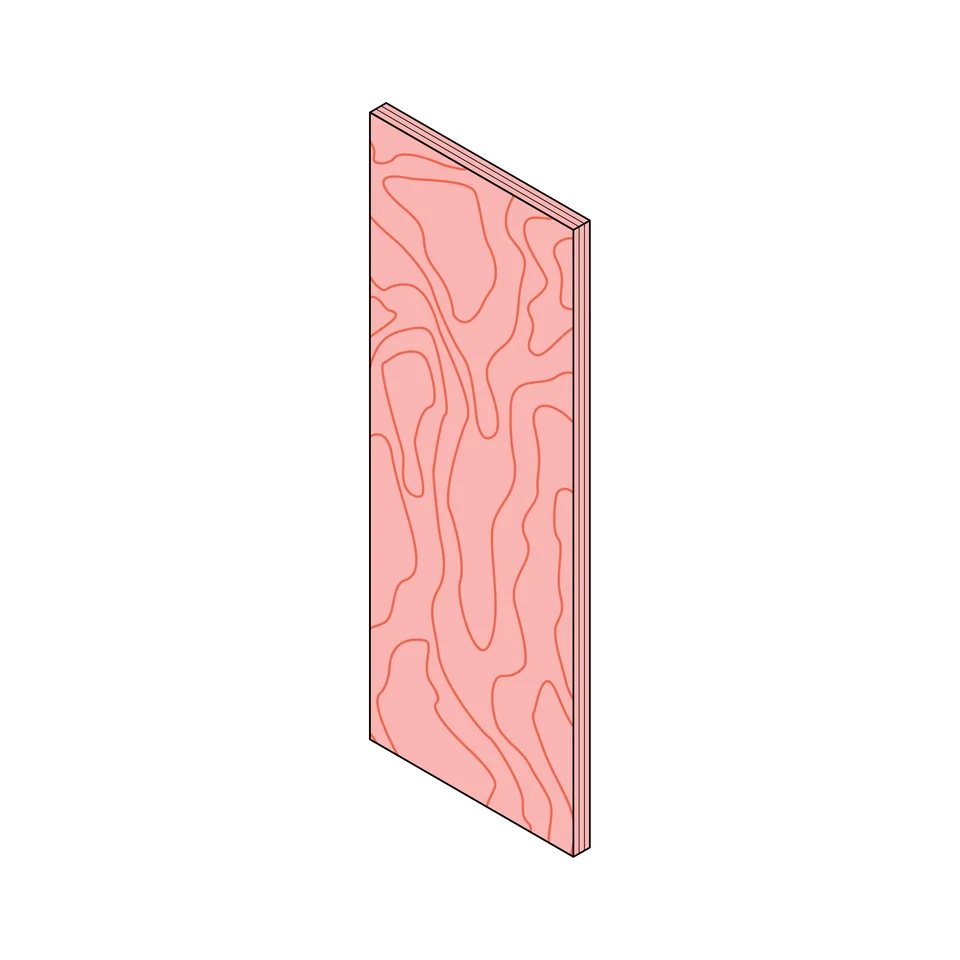
The design of kitchen cabinetry plays a pivotal role in shaping the overall aesthetics and functionality of a kitchen. When considering kitchen joinery, small details such as the choice of cabinet doors, handles, and finishing elements can significantly transform the space. A minimalist approach, such as selecting a cabinet door with no handle, contributes not only to a sleek and streamlined look but also enhances ease of maintenance.
The Importance of Cabinet Door Selection
Cabinet doors are the most visible components in kitchen joinery and often dictate the style and mood of the kitchen. Selecting the right material and design for these doors is crucial. For instance, opting for a Laminex cabinet door provides a durable and stylish finish that resists everyday wear while offering a modern aesthetic.
Minimalist Design with Handleless Doors
Handleless kitchen cabinets have increased in popularity due to their clean and contemporary appearance. Kitchens with a handle-free design create an uncluttered visual flow, making the space feel larger and more open. Additionally, these designs reduce dust accumulation around handles, promoting easier cleaning and a tidier kitchen environment.
Material Choices Affecting Durability and Style
The selection of materials for kitchen cabinetry must balance durability with style. Laminex surfaces are well-regarded for their resilience against moisture and scratches, qualities essential for the busy kitchen environment. Using Laminex cabinet doors harmonises functionality with modern design trends.
Integrating Cover Panels to Complete the Look
Kitchen joinery is not only about the cabinet doors but also the finishing touches such as cover panels. These elements help in covering exposed sides of cabinetry or gaps between appliances and cabinets. Cover panels can be designed to match cabinet doors, creating a cohesive and polished look throughout the kitchen.
The Role of Cover Panels in Kitchen Functionality
Beyond aesthetics, cover panels contribute to practical kitchen maintenance by protecting cabinet edges and hiding wiring or plumbing that might otherwise disrupt the kitchen’s flow. Their proper installation ensures a seamless integration with kitchen appliances and cabinetry.
Colour and Texture Considerations
The colours and textures chosen for cabinet doors and panels greatly influence the kitchen’s atmosphere. Neutral tones can produce a timeless and versatile space, while bolder colours can inject personality and style. Texture finishes, including matte, gloss, and wood-grain effects, provide additional layers of visual interest.
Customisation and Functionality
Modern kitchen joinery often includes customisable features to meet unique spatial and user needs. Incorporating adjustable shelving, soft-close mechanisms, and hidden storage options enhances the usability of cabinets without compromising the design integrity.
Ergonomic Aspects of Kitchen Cabinets
Ergonomics in kitchen design ensures that cabinets are accessible and comfortable to use. Handleless designs with push-to-open mechanisms or recessed grips support this goal by reducing the need for excessive bending or reaching, thereby improving kitchen workflow.
Trends in Kitchen Cabinet Hardware
While handleless cabinets are a current favourite, some kitchen designs benefit from subtle hardware that complements cabinetry. When chosen carefully, hardware accents can serve as focal points or add a touch of sophistication to a kitchen’s style.
Maximising Space with Thoughtful Joinery
Effective kitchen joinery maximises available space through the integration of corner cabinets, pull-out drawers, and vertical storage solutions. These features increase storage capacity and organisation without encroaching on kitchen work areas.
Environmental Considerations in Joinery
Sustainable materials and finishes are increasingly important in kitchen design. Choosing eco-friendly cabinetry options and durable finishes like Laminex helps reduce environmental impact while ensuring longevity.
Maintenance and Longevity of Kitchen Cabinets
Durability and ease of maintenance are essential factors when selecting kitchen cabinetry. Surfaces that withstand frequent cleaning and resist stains, such as Laminex doors, ensure the kitchen remains attractive over time with minimal upkeep.
Impact of Lighting on Cabinet Appearance
Proper lighting enhances the appearance and functionality of kitchen cabinets. Under-cabinet lighting can accentuate textures and colours, while overhead lighting ensures workspace visibility and contributes to the kitchen’s ambience.
Professional Installation for Optimal Results
The expertise applied during installation significantly influences the performance and finish of kitchen joinery. Precision fitting of cabinet doors, cover panels, and hardware ensures durable and seamless integration within the kitchen space.
Conclusion
In summary, the details incorporated into kitchen cabinetry, from material selection and door design to finishing elements like cover panels, collectively transform the entire kitchen space. A focus on handleless designs, durable Laminex cabinet doors, and complementary cover panels creates kitchens that are not only visually appealing but also highly functional and easy to maintain. These thoughtful considerations in kitchen joinery achieve a balance of style, durability, and practicality essential for modern kitchens.