
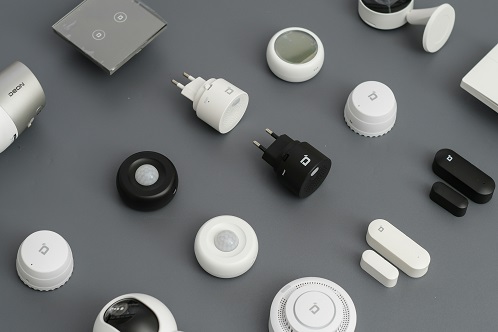
Introduction to Smart Technology in Home Living
Smart technology has fundamentally transformed the dynamics of home living, creating an interconnected environment that enhances convenience, security, and energy efficiency. At its core, smart technology refers to the integration of internet-connected devices into the household, allowing homeowners to remotely control and automate various aspects of their living spaces. This evolution of home automation has rapidly advanced over the past decade, driven by significant technological breakthroughs and an increasing demand for efficiency and comfort. Historically, the concept of home automation dates back to the mid-20th century, but it was not until the proliferation of wireless communication and the internet that the concept gained traction. The introduction of smart devices like thermostats, lights, and security systems enabled homeowners to monitor and manage their living environments with ease. Today’s advanced technologies such as artificial intelligence, machine learning, and the Internet of Things (IoT) are now commonplace, making them integral parts of modern homes.
Notably, the accessibility of smart technology has grown exponentially. Once considered a luxury, smart home devices are now available to a wide range of consumers at varying price points, encouraging widespread adoption. Key trends, such as the emergence of voice-activated assistants and smart home hubs, have further simplified the user experience, allowing for seamless integration between devices from different manufacturers. As homeowners increasingly recognize the benefits of automation, including enhanced security, improved energy management, and increased comfort, smart technology continues to revolutionize the way we live.
The Key Components of Smart Homes
Smart homes are characterized by their integration of advanced technology that enhances comfort, convenience, and security for homeowners. Several key components contribute to this evolution of domestic living, including smart lighting systems, thermostats, security systems, and smart appliances. Each of these elements plays a crucial role in creating a cohesive and automated living environment.
Smart lighting systems are among the most popular features in modern homes. These systems allow homeowners to control lighting remotely using smartphones or voice commands via virtual assistants. They can be programmed to operate on a schedule, adjust according to the time of day, or even respond to motion. By enhancing energy efficiency and providing customizable ambiance, smart lighting significantly contributes to the functionality of smart homes.
Furthermore, smart thermostats offer remarkable benefits in energy management and comfort. These devices learn from homeowners’ habits to optimize heating and cooling schedules, ensuring that the temperature is adjusted based on occupancy and preferences. Not only do they help in reducing utility costs, but they also offer remote access, allowing users to monitor and modify settings when away from home.
Equally important are smart security systems, which elevate the protection of residential properties. These systems typically include smart cameras, motion detectors, and smart doorbells that provide real-time surveillance and alerts. With features such as video recording and two-way communication, homeowners can monitor their premises from anywhere, significantly enhancing safety.
Finally, smart appliances, including refrigerators, washers, and ovens, represent the integration of technology into everyday tasks. These appliances can be controlled remotely, programmed to operate during off-peak hours, and even provide notifications for maintenance needs. By streamlining household chores and increasing efficiency, they make substantial contributions to the overall smart home experience.
Benefits of Implementing Smart Technology
In recent years, the integration of smart technology into home environments has evolved into a crucial aspect of modern living. The adoption of such technology offers numerous advantages, notably in the realms of energy efficiency, convenience, enhanced security, and overall quality of life.
Energy efficiency stands out as one significant benefit. Smart home devices, such as intelligent thermostats and energy monitoring systems, allow users to optimize their energy usage, leading to reduced utility bills and a smaller carbon footprint. For instance, a smart thermostat can learn a user’s habits and adjust heating and cooling settings accordingly, ensuring that energy is conserved when no one is at home.
Convenience is another compelling advantage of smart technology. Home automation systems enable seamless operation of various devices through a single app or voice command. Imagine a busy family arriving home from work or school; with smart technology, they can pre-program lighting, temperature, and even music to create a welcoming environment before stepping through the door. Additionally, integration with smart speakers and virtual assistants further enhances the user experience by allowing for hands-free control of household tasks.
The security of residences is significantly fortified through smart technology. Features such as smart cameras, doorbell cameras, and motion-sensor lights provide homeowners with real-time surveillance and alerts, which can deter potential intruders. For example, a smart doorbell allows homeowners to see and communicate with visitors remotely, offering peace of mind while enhancing security protocols.
Lastly, the overall quality of life is improved through the adoption of smart devices. These technologies offer health monitoring solutions, automated reminders, and even the ability to control the home environment to suit personal preferences. As a case in point, smart devices can assist the elderly or those with disabilities in managing day-to-day tasks, thereby fostering independence and enhancing their living experience.
Challenges and Considerations in Adopting Smart Technology
The integration of smart technology into home living has shown considerable potential in enhancing convenience, efficiency, and control over daily activities. However, it is essential to recognize the challenges and considerations that homeowners might encounter in this process. One significant issue is compatibility. With a myriad of devices available on the market, not all smart home technologies work seamlessly together. Potential buyers must ensure that their selected devices can communicate effectively within a unified ecosystem, which may involve extensive research and possibly the need for additional equipment, such as hubs or bridges.
Privacy concerns also play a critical role in the decision to adopt smart technology. Many smart devices collect and transmit data for functionality or analysis, thereby raising questions about how this information is stored and used. Homeowners must navigate privacy policies and security protocols to safeguard sensitive information from unauthorized access or breaches. This necessitates a fundamental understanding of how data is shared among devices and with the manufacturers, and in some cases, may require improved security measures, such as firewalls or encryption software.
Lastly, the initial investment required to implement smart technology can represent a significant barrier for many homeowners. Smart devices and systems can be costly, leading potential users to hesitate when considering the move to a more automated lifestyle. However, while the upfront expenses may seem substantial, the long-term savings on energy, maintenance, and utility costs can outweigh these initial costs. Evaluating the long-term benefits against the upfront investment can aid in making an informed decision about the adoption of smart technology in home living.
Smart Technology and Energy Efficiency
As modern households increasingly embrace smart technology, energy efficiency has emerged as a significant advantage. Smart devices are designed to monitor and manage energy consumption effectively, helping homeowners reduce their utility bills and minimize their environmental impact. One of the most prominent innovations in this regard is the smart thermostat. Unlike conventional thermostats, smart thermostats learn user habits and preferences, automatically adjusting temperature settings to optimize energy usage. By using geofencing capabilities, these devices can determine when the home is occupied or vacant, ensuring that heating or cooling systems operate only when necessary.
Another pivotal advancement in energy efficiency is the implementation of energy monitoring systems. These systems provide real-time data on energy consumption, allowing homeowners to identify patterns and specific appliances that contribute to higher energy usage. With insights gathered from energy monitors, users can make informed decisions about energy conservation and adjust habits to decrease overall consumption. Additionally, this data can expose inefficiencies, such as outdated appliances, prompting homeowners to make investments in energy-efficient models.
Smart plugs and smart lighting systems further enhance the energy efficiency of homes. Smart plugs can be programmed to operate on schedules, ensuring devices are switched off when not in use, thus preventing phantom energy consumption. Smart lighting systems, which allow for automatic adjustments based on natural light availability or occupancy sensors, help reduce energy waste associated with traditional lighting. Collectively, these smart technologies empower homeowners, not only to save on utility costs but also to contribute to a more sustainable future by decreasing their carbon footprint.
Safety and Security Measures with Smart Technology
In recent years, the incorporation of smart technology into home security has brought about significant advancements, providing homeowners with enhanced safety and peace of mind. Smart locks, cameras, and alarm systems are just a few examples of how technology is revolutionizing home living by ensuring that families feel secure within their own spaces.
Smart locks offer an innovative solution to traditional lock and key methods. They allow homeowners to securely lock and unlock their doors remotely via smartphone applications. This feature not only affords convenience, enabling homeowners to grant access to visitors even when they are away, but it also provides enhanced security. For instance, these locks can alert homeowners when someone has accessed their home, adding an additional layer of oversight.
Additionally, smart cameras play a crucial role in modern home security. They enable real-time surveillance of the property, allowing users to monitor their surroundings from anywhere. Many smart camera systems are equipped with advanced features such as motion detection, two-way audio communication, and night vision. The ability to receive alerts when movement is detected ensures that potential intruders can be addressed swiftly, significantly deterring crime and enhancing overall safety.
Alarm systems have also evolved with the advent of smart technology. These systems can be integrated with other smart devices within the home, providing a comprehensive security solution. For example, when an alarm is triggered, the system can automatically alert the homeowner’s phone, as well as notify local authorities, ensuring a prompt response to any unauthorized entry.
The integration of these smart technologies into home security not only elevates protection but also removes much of the stress associated with home safety. Homeowners can rest assured that their property is under constant watch, making smart technology a pivotal aspect of modern living.
The Role of AI and Machine Learning in Smart Homes
Artificial Intelligence (AI) and Machine Learning (ML) have become pivotal technologies in the advancement of smart home systems. These innovations empower devices to not only function according to set commands but also to learn from user behaviors, which facilitates a more tailored experience in home living. By analyzing the data collected from various sensors, smart appliances can evolve their operations to suit individual preferences and optimize energy consumption.
For instance, smart thermostats use machine learning algorithms to observe a household’s heating and cooling patterns. Over time, they develop a comprehensive understanding of when and how to adjust temperatures to ensure comfort while minimizing energy use. This capability significantly enhances operational efficiency and can lead to notable cost savings on utility bills. In addition to that, these devices can effectively predict future conditions based on past usage data and external weather forecasts, allowing for a proactive approach to home climate control.
Similarly, AI-enabled security systems utilize advanced machine learning techniques to identify potential threats. By recognizing patterns in motion, sound, and other sensory inputs, these systems can differentiate between normal activities and unusual behaviors, sending alerts when necessary. This intelligent monitoring ensures a heightened level of safety without requiring constant human oversight.
The integration of voice-activated AI assistants in smart homes further illustrates the remarkable potential of these technologies. These assistants learn from user commands, acquiring language patterns and context cues over time. This not only contributes to a fluid interaction between users and devices but also allows for the automation of various tasks, such as adjusting lighting, controlling entertainment systems, and more.
Through the continuous interplay of AI and machine learning, smart homes are transforming into dynamic environments that adapt to their inhabitants. This personalized approach amplifies convenience, enhances efficiency, and ultimately creates a more comfortable living space.
Future Trends in Smart Home Technology
The landscape of smart home technology is continuously evolving, with numerous trends expected to shape its future. One notable trend is the move toward increased interconnectivity among devices. This development allows homeowners to manage their smart appliances seamlessly through various platforms, enhancing convenience and functionality. As manufacturers prioritize interoperability, we will likely see advancements that enable devices from different brands to communicate and work together more efficiently.
Voice control is another area experiencing rapid advancements. As natural language processing technology improves, smart home systems will become more adept at understanding context and nuance in human speech. This enhancement will enable users to issue complex commands and engage with their homes in a more conversational manner. As a result, tasks such as adjusting lighting, controlling thermostats, and managing security systems will become even more intuitive and user-friendly.
Additionally, the integration of smart homes with renewable energy sources is expected to gain momentum. Innovations such as solar panels and battery storage systems will likely become standard components in smart home setups. Homeowners will be able to track energy consumption more efficiently while optimizing their use of renewable energy. This integration not only supports sustainability efforts but also leads to potential cost savings over time.
Market predictions suggest robust growth for smart home technologies, driven by increasing consumer demand for convenience, energy efficiency, and security features. As these technologies continue to advance, we can anticipate an ecosystem where homes are not just smart but also responsive and sustainable. The future of smart living appears promising, with opportunities for enhanced living experiences and greener solutions awaiting homeowners.
Conclusion: The Future of Home Living with Smart Technology
As we’ve discussed throughout this blog post, smart technology is significantly transforming the home living experience. With the integration of devices such as smart thermostats, security systems, and home assistants, everyday activities have become more efficient and manageable. The ability to control various aspects of home life through a centralized interface simplifies tasks and enhances convenience.
Moreover, smart technology is driving improvements in energy efficiency. Devices equipped with intelligent features help consumers monitor and reduce their energy consumption, ultimately leading to lower utility bills while contributing positively to environmental sustainability. Homeowners are increasingly benefiting from automated systems that learn their preferences over time, adjusting heating, cooling, and lighting to optimize comfort without unnecessary energy expenditure.
Another aspect is enhanced security. Smart home technology allows homeowners to monitor their properties remotely, providing peace of mind through surveillance cameras and alarm systems that can alert users to potential threats. This level of control is unprecedented and represents a significant development in home safety.
The future of home living is undoubtedly intertwined with continued advancements in smart technology. As innovations emerge, we can anticipate even more sophisticated solutions that will streamline connected living environments. This will not only enhance comfort and security but also foster a more sustainable lifestyle through energy-efficient technologies.
In conclusion, the evolution of home living, driven by smart technology, is a clear reflection of how advancements in digital solutions can reshape our everyday experiences. The focus on efficiency, sustainability, and safety indicates that this trend is set to grow, providing homeowners with unparalleled functionality and convenience in their daily lives.