
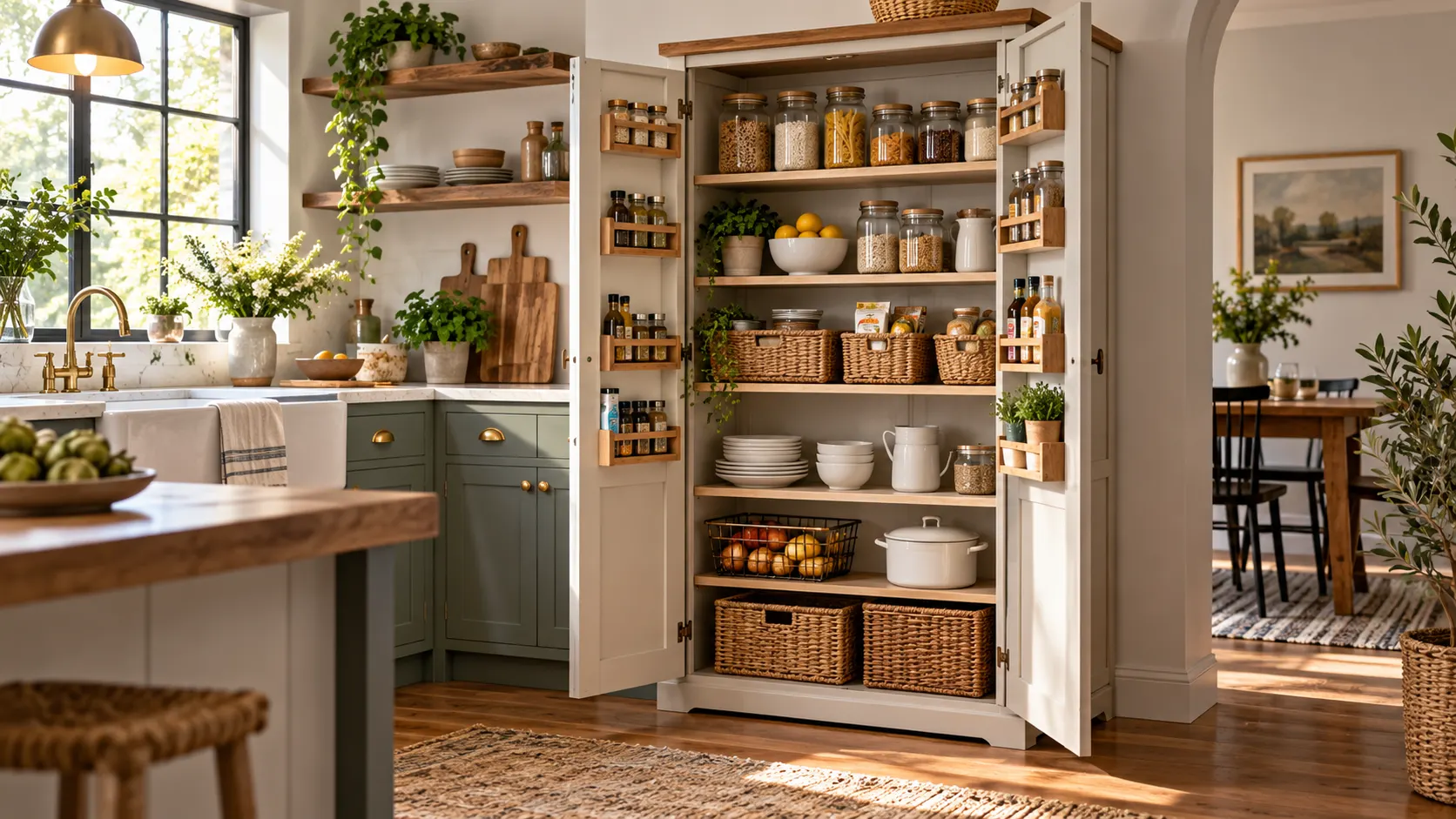
A well-organized kitchen makes everyday cooking, grocery storage, and meal preparation much easier. However, not every home has enough built-in cabinets or a dedicated pantry room to keep food and kitchen essentials neatly arranged. A freestanding pantry offers a practical solution by providing additional storage without requiring expensive renovations or permanent changes to your kitchen layout.
Freestanding pantry cabinets come in various sizes, materials, designs, and price ranges, making them suitable for small apartments, family homes, and spacious kitchens. From affordable open shelving to stylish farmhouse cabinets and premium wooden units, there are options for different budgets. Many designs include adjustable shelves, drawers, and enclosed compartments that help organize food, cookware, and household supplies.
Choosing the best freestanding pantry involves more than finding an attractive cabinet. Storage capacity, dimensions, construction materials, safety features, and available floor space all influence the final decision. This guide explores popular pantry styles, affordable options, smart storage features, and practical buying tips to help you select a cabinet that complements your kitchen.
What Is a Freestanding Pantry?
A freestanding pantry is a standalone storage cabinet or shelving unit designed to hold food, kitchen supplies, small appliances, and other household essentials. Unlike built-in pantry cabinets, it does not require permanent integration into existing kitchen cabinetry. This flexibility allows homeowners to add useful storage without undertaking extensive remodeling or construction work.
Most freestanding pantry cabinets feature multiple shelves arranged vertically to maximize storage while occupying relatively little floor space. Some models include doors, drawers, adjustable compartments, or specialized storage racks. Depending on their design, these cabinets can be placed in kitchens, dining rooms, utility areas, or other suitable locations.
Although freestanding pantries are separate pieces of furniture, tall cabinets still require proper stability and secure anchoring according to manufacturer instructions. Their main advantage is the ability to provide organized storage in spaces without dedicated pantry rooms. Choosing suitable dimensions and features can transform an unused corner into a practical storage area.
Why Choose a Freestanding Pantry Cabinet?
One of the biggest advantages of a freestanding pantry cabinet is its flexibility. Homeowners can add storage without replacing existing cabinets or changing the overall kitchen structure. This makes standalone pantry units particularly appealing for people who want an affordable improvement without committing to a major kitchen renovation.
Freestanding pantries also offer a wide range of designs to suit different interior styles. A simple white cabinet can complement a modern kitchen, while a wooden farmhouse pantry adds warmth and traditional character. Metal storage cabinets provide another alternative for households that prefer durable surfaces and straightforward cleaning.
Another benefit is the opportunity to organize kitchen essentials according to individual needs. Adjustable shelves can accommodate cereal boxes, canned goods, jars, and other commonly used items. However, buyers should remember that large cabinets may require assembly and wall anchoring, even when marketed as movable or freestanding furniture.
Best Budget-Friendly Freestanding Pantry Options
Budget-friendly freestanding pantries are ideal for households that need extra storage without spending heavily on furniture. Basic engineered wood cabinets, compact cupboards, and open shelving units are commonly available at lower price points. These options often prioritize practical storage capacity over decorative finishes or specialized accessories.
For shoppers working with a limited budget, a simple cabinet with adjustable shelves can provide considerable value. Open metal shelving may offer greater visibility and easy access to frequently used items. Enclosed engineered wood pantries can create a tidier appearance by keeping packaged food and household supplies hidden behind doors.
When comparing inexpensive models, construction quality should remain a priority. Check shelf load ratings, hardware durability, assembly requirements, and included anti-tip restraints before purchasing. A slightly more expensive unit with reliable shelves and stable construction may provide better long-term value than an attractive cabinet with weak fittings.
Mid-Range Freestanding Pantry Cabinets
Mid-range pantry cabinets often balance affordability, storage capacity, and decorative appearance. These models may include adjustable shelving, multiple doors, drawers, and more refined surface finishes. Their designs are suitable for households that want a cabinet to function as both practical storage furniture and an attractive part of the kitchen.
Many mid-range options feature engineered wood construction with laminate, painted, or wood-look finishes. Some include specialized compartments for spices, canned goods, and small kitchen appliances. A combination of shelves and drawers can make organization easier because frequently used items remain accessible while less attractive supplies stay concealed.
When selecting a mid-range pantry, compare the quality of hinges, drawer mechanisms, and shelf supports. These components can influence how smoothly the cabinet operates during everyday use. Also consider whether the unit provides enough interior space to justify its footprint, especially when placing it in a smaller kitchen.
Premium Freestanding Pantry Cabinets
Premium freestanding pantry cabinets are designed for homeowners who prioritize durable construction, distinctive styling, and additional storage features. These units may use solid wood, high-quality engineered panels, metal framing, or combinations of materials. Their higher prices can reflect more elaborate construction, specialized finishes, and additional organizational components.
Some premium designs include deep drawers, adjustable shelves, integrated lighting, and specialized compartments. Larger cabinets may also provide dedicated areas for small appliances or decorative serving pieces. These features can improve convenience, although their usefulness depends on how the household actually stores and accesses kitchen essentials.
Investing in a premium pantry makes sense when construction quality, design consistency, and expected service life justify the additional expense. However, a higher price does not automatically guarantee greater durability. Buyers should compare materials, hardware specifications, warranties, and weight capacities rather than assuming expensive furniture always performs better.
Best Freestanding Pantry for Small Kitchens
Small kitchens benefit from pantry cabinets that make efficient use of vertical space without blocking movement. Tall, narrow units can provide several levels of storage while occupying a relatively compact floor area. These designs work particularly well beside suitable kitchen cabinets or in unused wall sections where wider furniture would be impractical.
When choosing a pantry for a compact kitchen, measure width, depth, and height carefully. A narrow cabinet may still interfere with refrigerator doors, drawers, or nearby walking areas if its placement is not planned correctly. Door swing clearance should also be considered, especially in kitchens with limited space between cabinets and appliances.
Adjustable shelves, shallow compartments, and organized storage containers can improve the usefulness of a smaller pantry. Keeping frequently used items within comfortable reach also makes daily routines easier. A compact cabinet that is thoughtfully organized can provide more practical value than a larger unit with poorly arranged interior space.
Wooden vs. Metal Freestanding Pantries
Wooden and metal freestanding pantries offer different advantages depending on kitchen design and storage requirements. Solid wood and engineered wood cabinets are popular because they provide traditional furniture styling and numerous finish choices. Metal cabinets often feature durable painted or powder-coated surfaces that suit contemporary, industrial, or utility-focused interiors.
Wood-look cabinets can complement farmhouse kitchens, traditional dining rooms, and spaces with warm decorative finishes. However, some engineered wood materials are vulnerable to swelling or deterioration when exposed to moisture. Metal cabinets can be easier to wipe clean, although their durability depends on construction quality, protective coatings, and resistance to corrosion.
The best material depends on budget, appearance, maintenance expectations, and intended storage loads. Neither wood nor metal automatically guarantees greater capacity because shelf construction and manufacturer ratings vary. Before purchasing, review the cabinet’s total weight limit, individual shelf capacities, and suitability for the environment where it will be installed.
Freestanding Pantry Cabinets With Doors and Drawers
Freestanding pantry cabinets with doors and drawers offer convenient ways to organize kitchen items while maintaining a tidy appearance. Enclosed doors hide food packaging, kitchen tools, and other supplies that might make open shelving look cluttered. Drawers provide additional organization for smaller items that would otherwise become difficult to locate.
Adjustable interior shelves allow different food containers and kitchen essentials to fit comfortably inside the cabinet. Some models include shallow door racks designed for lightweight items such as spices or packaged supplies. Drawer dividers and removable organizers can further improve accessibility by keeping frequently used utensils and small accessories separated.
Before choosing a cabinet with multiple compartments, consider how each section will be used. Decorative features are less valuable when drawers are too shallow or shelves cannot support expected loads. A practical layout should provide easy access, appropriate storage depth, and dependable hardware for everyday kitchen activities.
Farmhouse and Modern Freestanding Pantry Styles
Farmhouse-style freestanding pantries are popular for their warm appearance, traditional details, and welcoming character. Common design elements include paneled doors, natural wood finishes, decorative handles, and neutral paint colors. These cabinets work especially well in kitchens featuring rustic furniture, wooden countertops, or vintage-inspired accessories.
Modern freestanding pantry designs generally emphasize clean lines, smooth surfaces, and minimal decorative elements. White, black, gray, and natural wood-look finishes are common choices. Some contemporary cabinets combine enclosed storage with open shelves, creating space for practical kitchen supplies alongside carefully selected decorative items.
Choosing a style that complements existing furniture helps create a cohesive kitchen appearance. Matching every finish is not necessary, but consistent colors and hardware can make separate pieces feel connected. Prioritize a design that suits your storage requirements rather than selecting a pantry entirely for its decorative appeal.
How to Choose the Right Freestanding Pantry Size
Selecting the correct pantry size begins with measuring the available kitchen space. Record the maximum width, depth, and height that the cabinet can occupy without blocking doors, appliances, or walkways. Remember to consider ceiling clearance and any requirements for assembling or positioning the cabinet safely.
Interior measurements are just as important as exterior dimensions because shelves and cabinet walls reduce usable storage space. Check whether tall cereal boxes, storage containers, and small appliances will fit inside. Adjustable shelves can provide flexibility, but buyers should confirm the available adjustment positions and weight ratings before relying on them.
A larger pantry is not always the best option for every household. Oversized cabinets can make compact kitchens feel crowded and may create difficult-to-reach storage areas. Choosing a size that matches your actual belongings and available space often produces a more functional result than purchasing the tallest or widest cabinet available.
Smart Organization Ideas for a Freestanding Pantry
Organizing a freestanding pantry begins with grouping similar items together. Breakfast foods, canned goods, baking ingredients, and snacks can be stored in designated sections to make them easier to find. Keeping everyday essentials at comfortable heights reduces unnecessary searching and helps maintain a more convenient kitchen routine.
Clear containers, labeled baskets, and shelf organizers can improve visibility inside deeper cabinets. Stackable containers may also help use vertical shelf space more efficiently when suitable for the items being stored. However, transferring every packaged food into decorative containers is not necessary, particularly when original packaging provides useful storage instructions.
Regularly reviewing pantry contents can help prevent clutter and forgotten food from accumulating. Place older products where they can be used first and check storage instructions for items that require refrigeration. A simple organizational system that household members can maintain is generally more practical than an elaborate arrangement requiring constant adjustment.
Common Mistakes When Buying a Freestanding Pantry
One common purchasing mistake is selecting a pantry cabinet without measuring the intended location. A cabinet may fit within the available wall space but still interfere with appliance doors or kitchen movement. Checking dimensions and required clearances before ordering reduces the likelihood of inconvenient installation problems.
Another mistake is focusing exclusively on appearance while overlooking construction quality and storage capacity. Weak shelves, poor-quality hinges, or inadequate stability can reduce the cabinet’s usefulness over time. Tall furniture should also be secured using appropriate anti-tip hardware and suitable wall fixings, following the manufacturer’s instructions.
Some buyers choose cabinets with more compartments than they actually need. Although additional drawers and shelves can appear attractive, complicated layouts may reduce space for larger items. Evaluating your current pantry supplies and storage habits before purchasing helps identify features that will genuinely improve organization.
Conclusion
A freestanding pantry offers a convenient way to improve kitchen organization without investing in expensive built-in storage. From affordable shelving units to premium wooden cabinets, different options provide solutions for a wide range of budgets and room sizes. Choosing an appropriate design can help organize food, cookware, and household essentials while improving the kitchen’s appearance.
The best pantry cabinet should combine suitable dimensions, dependable materials, practical shelving, and safe installation. Adjustable compartments, sturdy construction, and accessible storage areas often provide greater everyday value than unnecessary decorative features. Comparing these characteristics carefully can help homeowners find a cabinet that meets their needs without overspending.
Whether you have a compact apartment kitchen or a spacious family home, a well-chosen freestanding pantry can create useful additional storage. Measure your space, consider the items you need to organize, and compare products based on functionality and quality. With thoughtful planning, a standalone pantry can become a practical and attractive part of your everyday kitchen routine.
Frequently Asked Questions
What is the best freestanding pantry for a small kitchen?
A tall, narrow pantry with adjustable shelves is often suitable for small kitchens. Choose a cabinet that fits the available space, allows comfortable door clearance, and includes appropriate anti-tip hardware.
Are freestanding pantry cabinets expensive?
Freestanding pantry cabinets are available at different price points, from affordable open shelving to premium wooden furniture. Costs depend on size, materials, storage features, construction quality, and manufacturer.
Can a freestanding pantry be used in a dining room?
Yes, freestanding pantries can provide useful storage in dining rooms, utility spaces, or other appropriate areas. They can hold dry foods, serving dishes, table linens, and household supplies while complementing nearby furniture.
Do freestanding pantry cabinets need to be attached to the wall?
Tall freestanding pantry cabinets should be secured according to manufacturer instructions, usually with suitable anti-tip hardware. Proper anchoring reduces the risk of furniture tipping, particularly when drawers or doors are opened.
What material is best for a freestanding pantry?
Engineered wood, solid wood, and metal can all be suitable choices. The best option depends on your budget, preferred appearance, moisture exposure, maintenance expectations, and the manufacturer’s rated storage capacity.