
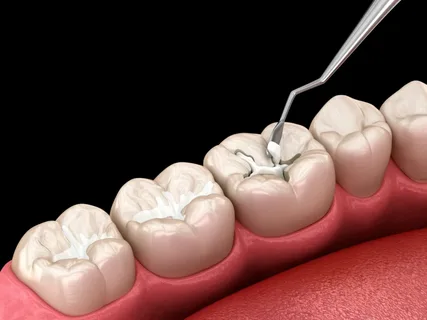
A dental filling repairs a tooth damaged by decay. The restoration covers the affected area, and it helps the tooth function properly when biting and chewing. Filling materials differ in composition and appearance, with some designed to match the natural color of the affected tooth. Here is what to explore when looking for dental fillings near me:
Comparing Filling Materials
Dental fillings repair teeth affected by decay and restore damaged areas. Composite fillings match the natural color of teeth, making them less noticeable than metal restorations. Silver amalgam fillings have a metallic appearance and provide another option for repairing cavities, particularly in back teeth that experience chewing pressure.
When looking for dental fillings near me, finding a practice that offers composite fillings provides an option for visible teeth because the material closely matches the color of natural enamel. Amalgam fillings provide durability under regular chewing forces, particularly in molars. The choice of filling material depends on:
- Cavity size
- Tooth location
- Remaining tooth structure
Mercury-free filling materials provide alternatives for patients seeking restorations without mercury-containing amalgam. A dental examination helps identify the extent of decay and determine the appropriate treatment. Discussing available filling options with your dentist helps you understand which ones suit your dental needs.
Identifying Cavities Requiring Fillings
Tooth decay develops as acids produced by bacteria damage tooth enamel. Early decay does not always cause pain, so a dental examination remains important even without noticeable symptoms. Tooth sensitivity, discomfort when chewing, and visible changes in the tooth are reasons to seek an assessment, although these signs do not confirm a cavity on their own. Dental examinations help identify cavities and assess the condition of affected teeth. X-rays provide additional information about areas that are difficult to examine visually, including spaces between teeth. The need for imaging depends on the examination findings and the patient’s dental history.
Comparing Fillings and Crowns
The choice between a filling and a crown depends on the amount of healthy tooth structure remaining, the extent of the damage, and the tooth’s functional needs. A filling repairs a specific area affected by decay or minor damage and preserves the remaining tooth structure. Composite fillings provide a tooth-colored option for restoring cavities and minor tooth damage.
A crown covers the tooth to restore its shape and provide support when more extensive damage has weakened its structure. Dentists use crowns for teeth that are severely damaged or weakened, especially when a filling alone cannot provide enough support. Zirconium crowns are one option for restoring compromised teeth.
Maintaining Oral Health After Fillings
Routine examinations help a dental practice monitor oral health after a filling and identify new concerns affecting the teeth or gums. Professional cleanings remove plaque and tartar deposits that accumulate around the teeth and along the gumline. These visits also provide an opportunity to discuss changes in the mouth and receive guidance based on the examination findings. Fluoride treatments strengthen tooth enamel and help protect against decay. Dental sealants cover the grooves of back teeth, reducing the areas where food particles and plaque can accumulate.
Find Dental Fillings Near Me
When searching for dental fillings near me, exploring local practices helps you learn about their available filling materials and treatment options. Each practice offers different restorative services, and available filling materials can vary by office. Reviewing these details helps you identify practices that offer the services you need. Contact a dental practice to discuss its filling services and schedule an appointment.