
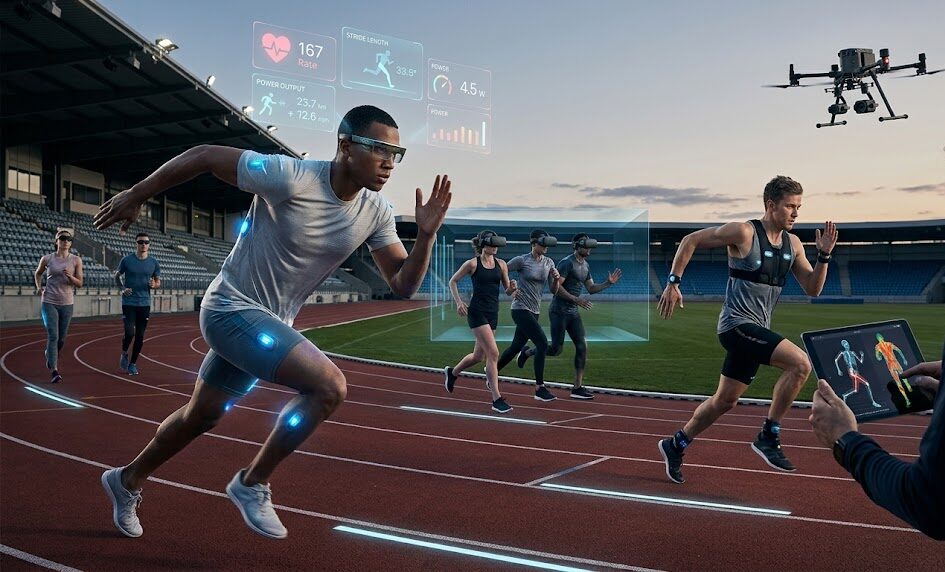
The integration of advanced technologies in sports has ushered in an era of innovation that is significantly shaping player performance and altering fan experiences. In 2026, the influence of artificial intelligence (AI), virtual reality (VR), and wearable devices is increasingly evident across various sports disciplines. These advanced technologies not only optimize training and competition but also enhance the overall engagement for spectators.
AI is becoming a vital tool for analyzing player performance. With sophisticated data analytics, coaches and trainers can gain insights into athletes’ strengths and weaknesses, informing their strategies. For instance, AI-driven performance analysis tools are capable of processing vast amounts of data from games, practice sessions, and even player movements in real-time. This information allows teams to customize training regimens, thereby maximizing performance outcomes.
Virtual reality has also transformed the way athletes train and fans experience sports. In 2026, VR simulations are increasingly utilized in training environments, enabling players to practice scenarios in a controlled, immersive setting. This technology allows athletes to refine their skills, practice decision-making, and prepare mentally for high-pressure situations without the physical toll of traditional training methods. Moreover, for fans, VR technology offers unprecedented access to live games, providing a more interactive and engaging viewing experience.
Wearable devices, such as smartwatches and fitness trackers, continue to evolve, offering athletes comprehensive insights into their health metrics. These devices monitor everything from heart rate to motion analytics, enabling athletes to make data-informed decisions regarding their health and training. As such devices become more sophisticated, they promise to facilitate significant advancements in injury prevention and recovery.
As we look to the future, developments in machine learning and biometric technology will likely push the boundaries of what is achievable in sports. The increasing fusion of AI, VR, and wearables is not only enhancing player performance but also reshaping how fans engage with their favorite sports, making 2026 a fascinating year for emerging sports technologies.
Sustainability in Sports
The sports industry in 2026 is increasingly embracing sustainability and environmental responsibility, recognizing the need to address climate change and its impact on the world. Major leagues and organizations are implementing a variety of initiatives aimed at reducing their carbon footprint and promoting eco-friendly practices. One significant trend is the construction of eco-friendly stadiums that utilize energy-efficient technologies, sustainable materials, and renewable energy sources. These modern facilities are designed to minimize waste and environmental impact, showcasing a commitment to sustainability.
In addition to infrastructure, the trend towards sustainable sports apparel is gaining traction. Many brands are now producing clothing made from recycled materials and organic fabrics, catering to a growing demographic of eco-conscious consumers. Athletes and teams are partnering with sustainable brands to promote clothing that not only performs well but also aligns with their values regarding environmental stewardship. This shift is helping to raise awareness about the importance of sustainability in the sports sector.
Moreover, carbon offsetting programs are becoming more prevalent among sports organizations. Teams are investing in projects that counterbalance their carbon emissions, such as reforestation initiatives and renewable energy projects. This not only contributes to global sustainability efforts but also enhances the reputation of sports organizations as responsible entities committed to environmental health.
As sports leagues and organizations prioritize sustainability in their operations, they not only attract eco-conscious fans but also set an example for other industries. The commitment to environmental responsibility reflects a broader societal shift towards sustainable living and highlights the influential role sports can play in fostering positive change. Ultimately, the adoption of these practices within sports emphasizes the critical importance of environmental awareness in shaping a sustainable future.
The Rise of Esports and Gaming Integration
In recent years, esports has experienced explosive growth, evolving into a mainstream form of entertainment that is now competing on par with traditional emerging sports technologies. By 2026, this upward trajectory is expected to continue, as esports garners a wider audience and cements its place within the cultural fabric of society. This phenomenon is not merely a trend, but rather an indication of shifting interests and engagement strategies among fans of all ages.
One of the most notable aspects of this rise is the increasing number of collaborations between established sports franchises and esports teams. Major leagues, including the NBA and NFL, have begun to recognize the potential of integrating esports into their existing frameworks. This has resulted in initiatives where traditional sports teams either establish their own esports divisions or partner with existing gaming organizations. Such collaborations not only help in reaching younger demographics but also in enhancing brand loyalty through diversified engagement channels.
Moreover, live events have started to blur the lines between traditional emerging sports technologies and esports competitions. Hybrid experiences, such as events that feature both live traditional sporting events and esports tournaments, are gaining popularity. These integrations allow fans to experience the excitement of both realms, fostering a sense of community and shared passion among diverse groups of spectators. As gaming continues to entwine with sports, opportunities for sponsorship and advertising are expanding, presenting brands with unique avenues to engage audiences in innovative ways.
The cultural significance of gaming in 2026 cannot be understated. With the youth increasingly identifying as gamers, traditional sports entities now have the opportunity to tap into this engaged audience. This shift necessitates a reconsideration of marketing strategies and fan interaction. As the lines continue to blur, observing how esports influences sponsorship deals, media rights, and fan engagement will be crucial for all stakeholders within the sports industry.
Changing Dynamics of Athlete Activism
In 2026, the dynamics of athlete activism have become increasingly pivotal, with many athletes leveraging their visibility to advocate for pressing social issues. This evolution is characterized by a growing recognition among athletes of their influential platforms and the responsibility that comes with it. Historically, sports figures primarily focused on their on-field performances, but the current landscape indicates a marked shift towards activism that resonates deeply with societal concerns.
Notable examples of this trend include prominent athletes from various emerging sports technologies, who have taken bold stances on issues such as racial equality, environmental sustainability, and mental health awareness. For instance, players from the National Basketball Association (NBA) have initiated campaigns to address systemic racial injustice, prompting discussions around police reform and civil rights. Similarly, footballers in Europe have united to combat discrimination, showcasing unity and solidarity through dedicated initiatives and community outreach programs.
The impact of social media on athlete activism cannot be overstated. Platforms such as Twitter, Instagram, and TikTok provide athletes with unprecedented access to their audiences, enabling them to share their messages widely and engage with fans on an emotional level. Athletes are utilizing these platforms not only to promote their causes but also to mobilize their followers, creating movements that extend beyond the sports arena. This immediacy of communication allows for rapid dissemination of ideas and can lead to significant shifts in public opinion and policy.
In response to this wave of activism, sports organizations have begun to adopt more inclusive policies, recognizing the importance of aligning themselves with the values espoused by their players. Many leagues and franchises are now supporting social justice initiatives and integrating community engagement programs into their operations, aiming to foster a broader sense of accountability and connection with fans.