
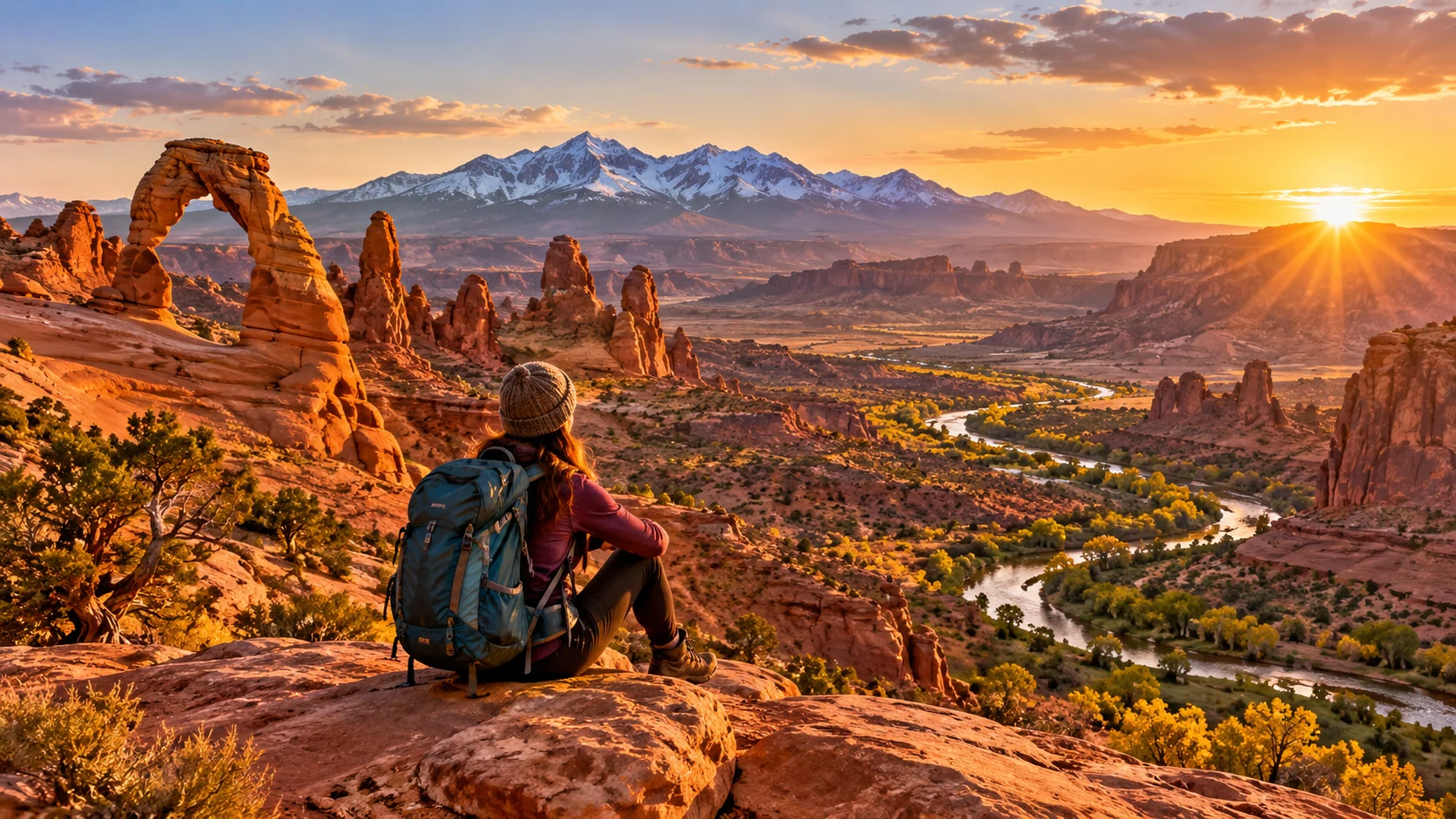
Utah is one of the most beautiful travel destinations in the United States, famous for its dramatic red-rock landscapes, spectacular national parks, snowy mountains, and breathtaking desert scenery. From the towering cliffs of Zion National Park to the remarkable sandstone formations of Arches, the state offers unforgettable experiences throughout the year. Understanding the best time to visit Utah helps travelers choose suitable weather, avoid unnecessary crowds, and plan memorable outdoor adventures.
Whether you are interested in hiking, skiing, scenic road trips, photography, or exploring charming mountain towns, Utah offers something special in every season. Spring brings comfortable desert temperatures, summer provides opportunities for mountain exploration, autumn creates beautiful foliage, and winter transforms higher elevations into snowy landscapes. Each season offers different advantages depending on your preferred activities and destinations.
This comprehensive Utah travel guide explores seasonal weather, the best months to visit national parks, outdoor activities, and essential vacation planning tips. You will discover when to experience Utah’s famous natural attractions, how to prepare for changing weather, and which seasons offer comfortable sightseeing conditions. With thoughtful planning, you can enjoy the state’s remarkable scenery while creating an itinerary that matches your travel preferences.
When Is the Best Time to Visit Utah?
The best time to visit Utah for general sightseeing is usually during spring or autumn, particularly from April through May and September through October. These months often provide comfortable temperatures for exploring southern Utah’s desert landscapes and famous national parks. Visitors can enjoy scenic drives, photography, and selected walking trails without the most intense summer heat.
However, Utah’s climate varies significantly between its southern deserts, northern valleys, and high mountain regions. A pleasant spring afternoon in Zion National Park may coincide with lingering snow at higher elevations. Travelers should therefore consider their specific destinations rather than assuming that weather conditions remain consistent throughout the state.
For winter sports enthusiasts, December through March is often an appealing period because Utah’s mountain resorts typically experience substantial snowfall. Summer is popular for alpine scenery, mountain recreation, and family vacations. Ultimately, the ideal season depends on whether your priorities include national parks, scenic road trips, winter activities, or comfortable city exploration.
Visiting Utah in Spring: March to May
Spring is one of the most attractive seasons for exploring Utah because temperatures begin warming after winter while many desert destinations remain relatively comfortable. Southern Utah’s red-rock landscapes become particularly inviting for sightseeing, photography, and scenic drives. However, early spring can still bring cold weather, occasional snow, and changing trail conditions.
March offers a transition between winter and spring, making weather preparation especially important. April generally provides milder conditions across many lower-elevation destinations, while May brings warmer afternoons and longer daylight hours. Popular national parks can become busy during spring breaks and holiday periods, so accommodation reservations may require advance planning.
Spring is particularly appealing for visiting Zion, Arches, and Canyonlands National Parks when conditions are suitable. Travelers can enjoy beautiful desert scenery while avoiding some of the strongest summer temperatures. Pack layers, monitor forecasts, and remember that rainfall or snowmelt may temporarily affect trails, roads, and other outdoor attractions.
Visiting Utah in Summer: June to August
Summer is a popular season for visiting Utah, especially among families traveling during school holidays and outdoor enthusiasts exploring mountain destinations. Long daylight hours create opportunities for sightseeing, scenic drives, and recreational activities. However, weather conditions vary dramatically between northern mountain areas and the hot desert landscapes of southern Utah.
Southern destinations such as Moab, Arches National Park, and parts of Zion can experience daytime temperatures above 100°F, or approximately 38°C. Prolonged exposure to extreme heat can make outdoor activities uncomfortable and dangerous. Visitors should plan appropriately, avoid strenuous activity during extreme conditions, and follow local weather and safety guidance.
Northern Utah and higher mountain destinations often provide comparatively cooler environments during summer. Park City, mountain valleys, and elevated scenic areas attract travelers interested in nature and relaxation. Summer is also a lively period for festivals and outdoor events, although popular accommodation and attractions may experience increased demand.
Visiting Utah in Fall: September to November
Autumn is widely considered one of the best seasons to visit Utah because temperatures become more comfortable across many popular destinations. September often remains warm in southern Utah, while October generally brings cooler conditions suitable for sightseeing. The changing season also creates beautiful colors in mountain forests and scenic valleys.
Utah’s aspen trees are particularly impressive during autumn when their leaves turn brilliant shades of yellow and gold. Scenic drives through northern mountain regions can provide memorable opportunities for photography and peaceful sightseeing. Fall foliage timing varies according to elevation, temperature, and weather patterns, so peak colors are not identical every year.
October is especially appealing for exploring national parks such as Zion, Bryce Canyon, and Arches when conditions are favorable. November brings cooler weather, shorter days, and an increasing possibility of snowfall at higher elevations. Travelers planning late-autumn visits should prepare for seasonal road conditions and possible changes in attraction accessibility.
Visiting Utah in Winter: December to February
Winter transforms much of northern Utah into a beautiful snowy landscape, making it an excellent season for travelers who enjoy mountain scenery and winter recreation. The state is famous for its ski resorts and powder snow conditions. Popular mountain destinations include Park City, Snowbird, Alta, and other established winter resort areas.
Salt Lake City also provides opportunities to enjoy cultural attractions, seasonal events, museums, and nearby mountain views during winter. However, snowfall, freezing temperatures, and occasional storms can affect transportation. Visitors should monitor road conditions and choose activities that match their experience, equipment, and comfort with winter environments.
Southern Utah offers a different winter experience, with fewer visitors at some national parks and beautiful contrasts between snow and red-rock formations. Bryce Canyon can look particularly striking when snow covers its famous hoodoos. Nevertheless, icy trails and temporary road closures may affect access, making flexible planning essential.
Best Time to Visit Utah’s National Parks
Utah is home to five remarkable national parks: Zion, Bryce Canyon, Arches, Canyonlands, and Capitol Reef. Each park features distinctive landscapes, elevations, and seasonal conditions. Spring and autumn are generally excellent choices for exploring several parks during one vacation because temperatures are often more comfortable for outdoor sightseeing.
Zion and Arches can become extremely hot during summer, while Bryce Canyon’s higher elevation produces cooler conditions and more frequent winter snow. Canyonlands features expansive desert scenery and exposed viewpoints, making weather preparation particularly important. Capitol Reef offers beautiful sandstone formations, scenic drives, and historic landscapes that change throughout the seasons.
National park access requirements and transportation arrangements can also vary. As of 2026, Arches does not require advance timed-entry reservations, although certain activities and campgrounds have separate requirements. Zion continues to require permits for Angels Landing, and seasonal shuttle services affect access within Zion Canyon. Always verify current park rules before visiting.
Best Time to Visit Utah for Hiking and Outdoor Activities
Utah offers an extraordinary variety of outdoor landscapes, from desert canyons and sandstone formations to forested mountains and alpine lakes. The best season for hiking depends on elevation, trail conditions, and the type of scenery you want to experience. Spring and autumn commonly provide comfortable conditions for lower-elevation walks.
During summer, high mountain areas may offer appealing alternatives to Utah’s hotter desert regions. However, afternoon thunderstorms can develop in mountain environments, and exposed landscapes may present additional weather-related risks. Travelers should choose established routes appropriate for their abilities and check official trail conditions before beginning outdoor activities.
Winter hiking requires additional caution because snow, ice, freezing temperatures, and shorter daylight hours can make some routes unsuitable. Even during spring and autumn, sudden weather changes may affect remote areas. Carrying appropriate supplies, following marked routes, and avoiding dangerous weather conditions are important parts of responsible outdoor travel.
Best Time for Scenic Road Trips Through Utah
Utah is an excellent destination for scenic road trips because its highways connect dramatic mountains, colorful deserts, historic towns, and famous national parks. Traveling by road allows visitors to experience changing landscapes while discovering attractive viewpoints and smaller communities. Spring and autumn are often ideal for exploring southern Utah without the strongest summer heat.
Popular scenic routes include Highway 12, which passes through remarkable landscapes near Bryce Canyon and Capitol Reef. The journey offers opportunities to appreciate sandstone cliffs, mountain scenery, and distinctive geological formations. Travelers can also explore the Moab region and discover scenic drives through areas surrounding Arches and Canyonlands.
Road trip planning should account for long distances, limited services in some rural areas, and changing weather conditions. Winter snow can affect high-elevation routes, while summer heat makes vehicle preparation particularly important. Checking road conditions, carrying essential supplies, and avoiding overly ambitious driving schedules can make your journey more comfortable.
Best Time to Visit Salt Lake City and Park City
Salt Lake City is a year-round travel destination known for its mountain surroundings, cultural attractions, museums, and convenient access to outdoor recreation. Spring and autumn are pleasant periods for exploring neighborhoods and enjoying urban sightseeing. Summer provides opportunities to visit nearby natural areas, although temperatures in the valley can become hot.
Park City is especially famous for winter recreation, with its mountain resorts attracting visitors during the snowy season. However, the town also offers charming streets, restaurants, galleries, and beautiful landscapes during warmer months. Summer and early autumn can be appealing for travelers interested in mountain views and relaxed sightseeing.
Accommodation prices and visitor numbers vary according to major festivals, winter resort operations, and holiday periods. Travelers planning a city-focused vacation may prefer dates outside peak events when more lodging options are available. Comparing seasonal conditions and local activities helps determine whether Salt Lake City or Park City better suits your itinerary.
How to Visit Utah on a Budget
Traveling to Utah on a budget is possible with thoughtful planning, flexible dates, and careful accommodation choices. Costs can increase during popular national park seasons, major holidays, and winter resort periods. Comparing hotel prices across different towns and travel dates can help identify suitable options without compromising essential comfort.
Staying in communities outside the busiest tourist centers may provide more affordable accommodation, although additional transportation expenses should be considered. Public attractions, scenic viewpoints, and selected outdoor experiences can offer memorable sightseeing without requiring expensive organized tours. Always check applicable national park entrance fees and whether available passes suit your planned visits.
Meal planning can also help control expenses, particularly when traveling through remote areas where dining choices may be limited. Carrying snacks and purchasing everyday supplies in larger towns can provide additional convenience. Building a realistic budget for accommodation, transportation, food, admission fees, and unexpected costs makes travel planning easier.
Essential Utah Travel Tips for First-Time Visitors
Before visiting Utah, create an itinerary based on the regions you want to explore and the amount of time available. The state’s famous national parks are spread across substantial distances, so visiting all five may require several days. Grouping nearby attractions into manageable routes can reduce unnecessary driving and create more enjoyable sightseeing experiences.
Pack clothing suitable for changing temperatures because desert areas and mountain destinations can experience very different weather on the same day. Comfortable walking shoes, sun protection, and drinking water are useful for many outdoor activities. During colder months, prepare for snow and ice while monitoring road conditions and official travel advisories.
Finally, respect national park regulations and fragile natural environments throughout your journey. Stay on designated paths, follow posted safety information, and avoid disturbing wildlife or damaging geological formations. Checking current operating hours, transportation schedules, and permit requirements before departure helps make your Utah vacation more organized and rewarding.
Conclusion
The best time to visit Utah depends on your preferred attractions, travel interests, and weather expectations. Spring and autumn are generally excellent for exploring southern Utah’s national parks, while summer offers opportunities for mountain sightseeing. Winter transforms northern Utah into a popular destination for snowy landscapes and seasonal recreation.
Understanding Utah’s different climate regions is essential when planning a comfortable vacation. Desert destinations can become extremely hot during summer, while mountain areas may experience snow well into spring. Selecting appropriate travel dates and preparing for local weather conditions can help you enjoy the state’s diverse natural attractions.
Whether you want to admire Zion’s towering cliffs, explore Arches National Park, experience autumn colors, or discover Salt Lake City’s cultural attractions, Utah offers memorable experiences throughout the year. With thoughtful planning, a flexible itinerary, and attention to safety, you can enjoy the spectacular scenery that makes Utah one of America’s most remarkable travel destinations.
Frequently Asked Questions (FAQs)
What is the best month to visit Utah?
April, May, September, and October are often excellent months for visiting Utah, particularly its southern national parks. The ideal month depends on your destination, preferred activities, and weather expectations.
When is the best time to visit Utah’s national parks?
Spring and autumn generally offer comfortable temperatures for exploring Zion, Arches, Canyonlands, and Capitol Reef. Bryce Canyon is cooler because of its higher elevation and can experience snow during colder months.
Is Utah too hot to visit in summer?
Some southern Utah destinations can exceed 100°F during summer, making exposed outdoor activities uncomfortable or dangerous. Higher mountain areas generally offer cooler conditions and can be more appealing during hot weather.
What is the cheapest time to visit Utah?
Some destinations offer lower accommodation prices during quieter periods, particularly outside major holidays and peak tourism seasons. However, prices vary considerably between national park towns, cities, and winter resorts.
How many days do you need to explore Utah?
Seven to ten days can provide time to explore several major national parks and scenic destinations. A longer vacation allows for more relaxed sightseeing, additional cultural attractions, and less time spent driving.