
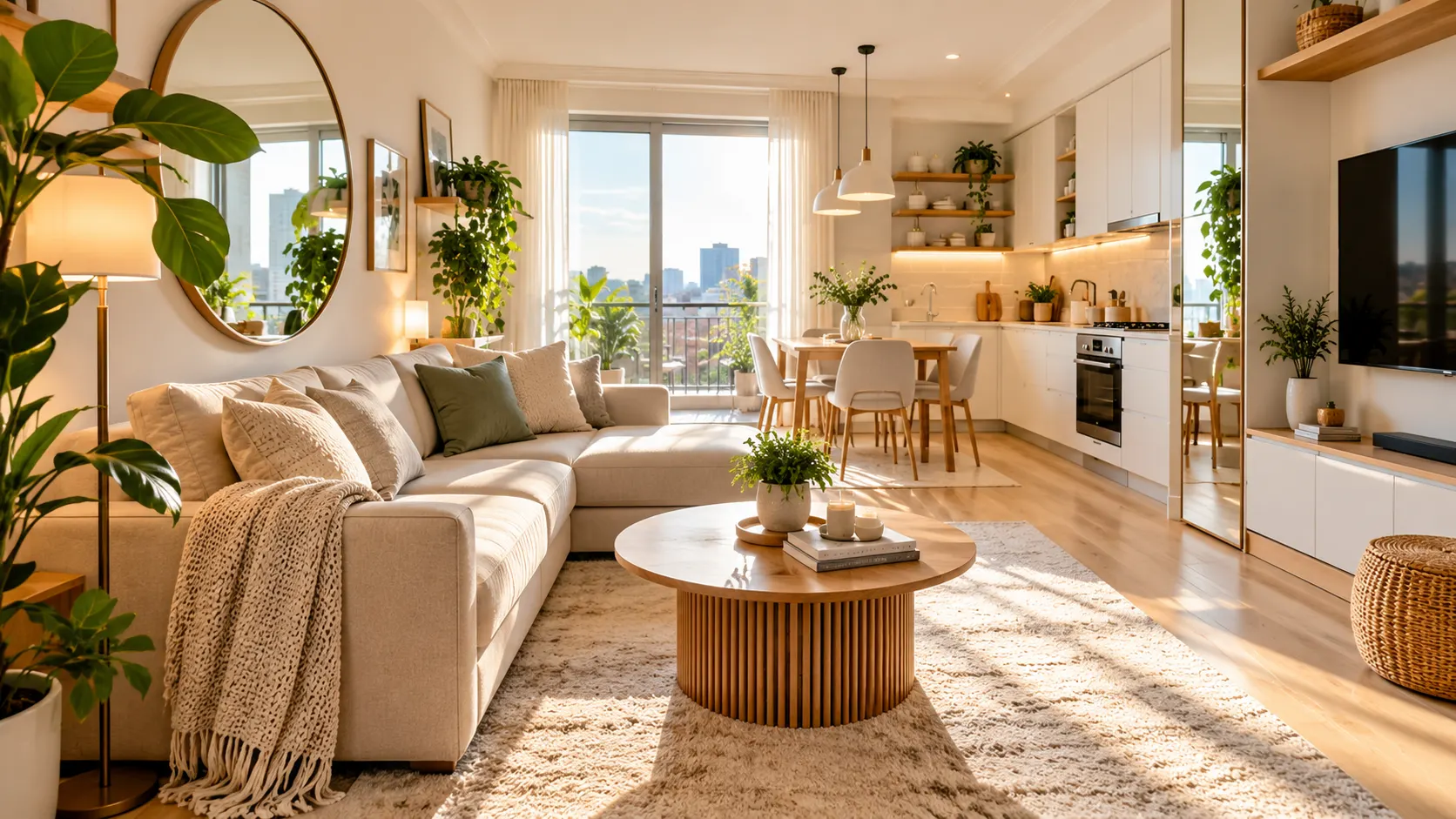
Living in a small home or apartment does not mean you have to sacrifice comfort, functionality, or beautiful interior design. Even the most compact rooms can feel open, welcoming, and organized with the right decorating techniques. From choosing suitable furniture to improving natural lighting, small changes can make a noticeable difference. Understanding how to make a small space feel large helps you create a home that feels more spacious without expensive renovations.
Small spaces often feel crowded because of oversized furniture, poor lighting, cluttered surfaces, or inefficient layouts. However, these challenges can be addressed through thoughtful design choices and practical organization. Light colors, mirrors, multifunctional furniture, and vertical storage can improve the visual flow of a room. The goal is not necessarily to own fewer things but to arrange your belongings more effectively.
Whether you live in a studio apartment, a compact bedroom, or a small family home, simple interior design techniques can transform your surroundings. You do not need professional decorating experience or a large budget to achieve impressive results. This guide explores practical small space decorating ideas, furniture arrangement strategies, and clever storage solutions that help rooms feel brighter, more open, and comfortable.
1. Start by Decluttering and Organizing Your Space
Decluttering is one of the easiest ways to make a small room feel bigger without changing its physical dimensions. Excess belongings on floors, shelves, and furniture surfaces can make a room appear visually crowded. Organizing these items creates clearer sightlines and allows existing features to stand out. A tidy environment also makes everyday movement and cleaning more convenient.
Begin by reviewing items that occupy valuable space but are rarely used. Organize belongings into practical categories and identify suitable storage locations for each group. Frequently used items should remain accessible, while seasonal accessories can be stored elsewhere. Avoid filling every available surface with decorations because leaving some open areas creates a calmer visual appearance.
Maintaining an organized home becomes easier when every frequently used item has a designated place. Storage baskets, drawer organizers, and labeled containers can help prevent clutter from returning. Establish simple routines for putting things away after use. These habits support a cleaner interior while helping compact rooms feel more comfortable and visually spacious throughout the day.
2. Choose Light and Neutral Colors for Your Walls
Color influences how people perceive the size, brightness, and atmosphere of a room. Light shades often reflect more available light, which can make small interiors feel open and welcoming. White, cream, pale gray, soft beige, and gentle pastel colors are popular choices. These shades provide a flexible background for furniture, artwork, and decorative accessories.
Painting walls and ceilings in similar light colors can create visual continuity. This reduces strong boundaries between surfaces and may make a room feel less divided. Warm white and neutral beige work particularly well in cozy living spaces, while pale blue or green can create a peaceful atmosphere. Choose colors that complement the room’s natural lighting.
Dark colors are not automatically unsuitable for small rooms because they can also create depth and character. However, using a consistent color palette often makes compact interiors feel more coordinated. Combine your main wall color with a few complementary shades in furniture and textiles. Thoughtful color choices help create an attractive space without relying on complicated decorating techniques.
3. Maximize Natural Light to Make Rooms Feel Open
Natural light can significantly influence how spacious and inviting a small room appears. Bright interiors often feel more open because sunlight highlights surfaces and reduces dark corners. Windows also create visual connections with outdoor surroundings. Making the most of available daylight is therefore an important part of effective small space interior design.
Avoid placing bulky furniture directly in front of windows whenever possible. Choose lightweight curtains, sheer fabrics, or blinds that allow you to control privacy without blocking excessive daylight. Keeping windows clean can also improve the amount of light entering the room. Arrange furniture so natural light can reach different areas without unnecessary obstruction.
If your room receives limited sunlight, combine available daylight with suitable artificial lighting. Wall sconces, table lamps, and ceiling fixtures can help illuminate darker corners. Using several light sources creates a more balanced environment than relying on one harsh overhead fixture. Better lighting improves both everyday functionality and the overall perception of space.
4. Use Mirrors to Create the Illusion of More Space
Mirrors are among the most effective decorating accessories for making small spaces appear visually larger. Their reflective surfaces bounce light around the room and create an impression of additional depth. A carefully positioned mirror can also highlight attractive architectural details. This makes mirrors particularly useful in narrow hallways, compact bedrooms, and smaller living rooms.
Position a large mirror where it reflects natural light or an appealing part of the room. Placing one opposite or near a window can increase the sense of brightness, depending on the layout. Full-length mirrors work well in bedrooms, while decorative wall mirrors can complement living room furniture. Choose a size that suits the available wall space.
Mirror frames also influence the overall decorating style. Slim metal frames complement modern interiors, while simple wooden designs work beautifully in Scandinavian-inspired rooms. Frameless mirrors can create a particularly streamlined appearance. Avoid arranging too many reflective surfaces in one area, as excessive reflections may feel distracting rather than spacious.
5. Select Multifunctional Furniture for Small Rooms
Multifunctional furniture helps compact homes accommodate different activities without requiring numerous separate pieces. A sofa bed, storage ottoman, or extendable dining table can serve more than one purpose. This flexibility is especially valuable in studio apartments and small family homes. Choosing practical furniture reduces unnecessary crowding while supporting comfortable everyday living.
Consider a bed with built-in drawers for storing spare bedding or seasonal clothing. A coffee table with hidden compartments can hold books, remote controls, and small accessories. Nesting tables provide additional surfaces when needed and can be arranged compactly afterward. These furniture choices make better use of existing floor space without sacrificing essential functions.
Before purchasing multifunctional furniture, measure the room and consider how each item operates. A sofa bed needs additional clearance when opened, while an extendable table requires space for chairs. Choose pieces that remain convenient in both their compact and expanded forms. Practical dimensions matter just as much as appearance when furnishing smaller interiors.
6. Arrange Furniture to Improve Movement and Visual Flow
Furniture placement can make a small room feel either comfortable or unnecessarily crowded. Even attractive furniture may overwhelm a space when arranged without considering walkways and daily activities. Creating clear movement paths helps rooms feel easier to navigate. A thoughtful layout also improves the visual connection between furniture, windows, and surrounding walls.
Start by identifying the room’s main purpose and selecting furniture that supports it. In a small living room, position the sofa and seating around a practical focal point. Avoid placing unnecessary items in frequently used walking areas. Leaving suitable space between larger pieces helps maintain accessibility without requiring every item to sit against a wall.
Experiment with different arrangements before making permanent decorating decisions. Moving a chair, rotating a table, or removing an unused side unit can noticeably change the room’s atmosphere. Consider how doors and drawers open when evaluating each layout. A well-planned arrangement allows a compact interior to function efficiently while feeling more organized and open.
7. Use Vertical Storage to Free Up Floor Space
Vertical storage is one of the smartest solutions for organizing compact homes. When floor space is limited, walls can provide valuable opportunities for shelves, cabinets, and practical organizers. Using vertical surfaces helps keep belongings accessible without filling every corner with furniture. This approach works especially well in kitchens, bedrooms, home offices, and small living areas.
Install floating shelves for books, decorations, or lightweight household accessories where appropriate. Tall bookcases can store more items within a relatively small footprint, while wall-mounted cabinets provide concealed storage. Hooks and hanging organizers may also be useful in entrances and utility areas. Choose solutions that fit the room’s dimensions and support the intended weight.
Avoid overcrowding shelves because excessive displays can make a room feel visually busy. Leave small gaps between decorative objects and group similar belongings together. Secure tall furniture and wall-mounted storage according to manufacturer instructions to reduce tipping and falling hazards. Thoughtful vertical organization keeps important items available while preserving valuable floor space.
8. Choose Furniture With Slim and Lightweight Designs
The visual weight of furniture can influence how large or small a room feels. Bulky sofas, oversized cabinets, and heavy decorative pieces may dominate compact interiors. Furniture with slim profiles and simple shapes can create a more open appearance. This does not mean every item must be small, but proportions should suit the available space.
Consider sofas with narrow arms, dining chairs with slender frames, and tables supported by simple legs. Raised furniture can reveal more floor underneath, creating a sense of openness. Glass or transparent furniture may also reduce visual obstruction in certain layouts. Choose designs that provide necessary comfort and support rather than focusing exclusively on their appearance.
Mixing one substantial furniture piece with several visually lighter items can create an appealing balance. For example, a comfortable sofa may work well beside a slim side table and open shelving. Avoid purchasing multiple oversized pieces without measuring the room. Carefully selected furniture helps maintain functionality while preventing compact spaces from feeling unnecessarily crowded.
9. Create a Consistent Color Palette Throughout the Room
Using too many unrelated colors can divide a small room visually and make its layout feel busier. A coordinated color scheme helps connect furniture, walls, flooring, and decorative accessories. This consistency creates a calmer atmosphere and encourages the eye to move smoothly across the space. Choosing a limited palette is therefore a useful small room decorating strategy.
Begin with one primary neutral shade and introduce a few complementary colors. For example, cream walls, light wooden furniture, and muted green accessories can create a soft, natural appearance. Repeating similar colors in cushions, curtains, and artwork helps establish visual harmony. You can still include brighter accents without overwhelming the room’s overall design.
Monochromatic decorating is another option for compact interiors. Combining different shades of the same color creates subtle variation while maintaining consistency. Textured fabrics, natural materials, and decorative finishes can prevent the room from looking flat. A thoughtful palette makes furniture and accessories feel connected, helping the entire space appear more cohesive.
10. Keep Window Treatments Simple and Elegant
Window treatments can affect the visual height, brightness, and atmosphere of a room. Heavy curtains with elaborate patterns may make certain small interiors feel crowded, particularly around narrow windows. Simpler designs often create a lighter appearance. Choosing suitable curtains or blinds helps maintain privacy while supporting the room’s overall sense of openness.
Mounting curtain rods above the window frame can create the impression of additional wall height. Longer curtains that hang close to the floor may also emphasize vertical lines. Choose fabrics that complement nearby walls and furniture for a coordinated effect. Make sure the curtains operate comfortably without interfering with radiators, furniture, or walking areas.
Roller blinds and Roman shades are useful alternatives when floor-length curtains are impractical. Their compact designs can work particularly well in small kitchens, bathrooms, and narrow bedrooms. Select materials appropriate for the room’s moisture and lighting conditions. Simple window treatments help maintain a clean appearance while providing useful control over sunlight and privacy.
11. Use Rugs and Flooring to Create Visual Continuity
Flooring has a significant influence on how a small interior feels because it forms one of the room’s largest visible surfaces. Consistent flooring materials can create continuity between connected areas. This helps reduce visual interruptions and may make the overall layout feel more unified. Light or medium flooring tones can complement many compact interior styles.
Rugs can also help define different functional areas without introducing additional walls or bulky furniture. In a studio apartment, a rug beneath the seating area can distinguish the living space from the dining corner. Choose a rug that fits the furniture arrangement rather than one that appears disconnected. A suitable size creates balance and helps anchor the room.
Avoid excessive combinations of unrelated flooring patterns in a compact space. Simple designs and coordinated colors can create a more relaxed atmosphere. Keep rugs secured with suitable backing to reduce slipping hazards, especially in busy walkways. Thoughtful flooring choices contribute to both practical comfort and a visually cohesive interior.
12. Add Hidden Storage to Maintain a Clean Appearance
Hidden storage is particularly useful when you want a small room to look organized without displaying every household item. Closed cabinets, storage benches, and concealed drawers help reduce visible clutter. These solutions allow you to keep necessary belongings without making the room feel crowded. A tidy appearance can make compact interiors feel calmer and more welcoming.
Look for opportunities to use existing spaces, such as the area beneath beds, sofas, and staircases. Storage baskets inside cabinets can separate smaller items, while drawer dividers improve organization. Wall-mounted cupboards may also provide concealed storage without occupying much floor area. Choose arrangements that make frequently used belongings easy to access.
Avoid filling every hidden compartment with unnecessary items simply because storage is available. Organize belongings according to their purpose and review the contents occasionally. Matching cabinet finishes with surrounding walls can create a seamless appearance. Thoughtfully concealed storage supports everyday convenience while helping small rooms maintain an uncluttered visual style.
13. Decorate With Purpose Instead of Overcrowding Surfaces
Decorative accessories make a house feel personal, but too many items can overwhelm a compact interior. Rather than covering every shelf and table, choose a smaller collection of meaningful objects. Artwork, plants, cushions, and decorative bowls can provide character without requiring excessive space. The goal is to balance personal expression with comfortable room organization.
Consider displaying one larger artwork instead of arranging numerous small pieces across a narrow wall. A thoughtfully placed plant can add greenery and texture, while coordinated cushions introduce subtle color. Keep decorative items away from important work surfaces and frequently used walkways. Creating open areas around selected objects helps them stand out more effectively.
Rotate seasonal decorations rather than displaying everything at once. This allows you to refresh the room without purchasing additional furniture or filling more shelves. Choose accessories that complement the established color palette and overall style. Purposeful decorating makes small spaces feel welcoming, coordinated, and comfortable without eliminating your personality.
14. Use Smart Lighting to Add Depth and Brightness
Artificial lighting becomes especially important when natural daylight is limited or unevenly distributed. A single ceiling light may illuminate the center of a room while leaving corners relatively dark. Combining different types of lighting can create a more balanced appearance. This technique is particularly helpful in studio apartments, small bedrooms, and compact living rooms.
Use ceiling fixtures for general illumination and add task lighting where specific activities require it. Table lamps, wall-mounted lights, and under-cabinet lighting can brighten selected areas without occupying excessive space. Adjustable fixtures provide flexibility for reading, working, or relaxing. Choose lighting temperatures that complement the room’s colors and intended atmosphere.
Wall sconces can be useful alternatives to floor lamps when available floor area is limited. Concealed LED lighting may highlight shelving or architectural features without adding bulky fixtures. Avoid excessive brightness or unnecessary decorative lighting that creates visual confusion. A balanced lighting plan can make small interiors feel warmer, deeper, and more comfortable throughout the day.
15. Create Functional Zones in Open-Plan Small Spaces
Small apartments often combine living, sleeping, dining, and working areas within one open room. Without clear organization, these activities can overlap and make the interior feel crowded. Creating functional zones helps establish structure while maintaining an open layout. Furniture placement, lighting, and rugs can separate activities without requiring permanent partitions.
A compact dining table can define the eating area, while a rug and sofa establish the living space. A narrow desk placed near suitable lighting may provide a dedicated working corner. Open shelving can offer gentle separation while preserving visibility between areas. Choose pieces that support multiple activities when necessary to reduce excessive furniture.
Maintain consistent colors and materials across different zones so the room still feels connected. Avoid using too many large dividers because they may interrupt natural light and restrict movement. Keep frequently used pathways clear and ensure each zone remains practical. Thoughtful space planning helps a multifunctional room feel organized rather than unnecessarily divided.
Conclusion
Learning how to make a small space feel large involves using practical design principles that improve both appearance and functionality. Decluttering, choosing coordinated colors, maximizing natural light, and arranging furniture thoughtfully can create a noticeable difference. Mirrors, vertical storage, and multifunctional furniture provide additional opportunities to improve compact interiors. These ideas help make rooms feel more comfortable without changing their physical dimensions.
The most effective small space decorating strategies focus on maintaining visual continuity and reducing unnecessary clutter. Slim furniture, simple window treatments, thoughtful lighting, and hidden storage all contribute to a more open atmosphere. Carefully selected accessories add personality without overwhelming the room. Combining these techniques creates an interior that feels organized, welcoming, and suited to everyday activities.
Ultimately, a small home can feel stylish and comfortable when every design choice serves a meaningful purpose. Start with simple changes, experiment with furniture placement, and choose solutions that match your lifestyle. You do not need expensive renovations or elaborate decorations to improve your surroundings. With thoughtful planning and consistent organization, even a compact space can feel beautifully balanced and surprisingly spacious.
Frequently Asked Questions (FAQs)
What colors make a small room look bigger?
Light colors such as white, cream, soft beige, pale gray, and pastel shades often make small rooms feel brighter and more open. A consistent color palette also creates visual continuity.
How can I make a small room look bigger without spending money?
Start by decluttering, rearranging furniture, clearing windows, and organizing visible belongings. Removing unnecessary objects and improving natural light can make a room feel more spacious without additional purchases.
Do mirrors really make small rooms appear larger?
Yes, mirrors reflect light and create an impression of additional depth. Positioning a mirror near a window or opposite an attractive feature can help a compact room feel brighter and more open.
What furniture is best for small living spaces?
Multifunctional furniture, slim-profile sofas, nesting tables, storage ottomans, and compact shelving are useful options. Choose appropriately sized pieces that provide comfort without blocking important walking areas.
How do I make a small bedroom feel more spacious?
Use light colors, organize belongings, choose practical bedside furniture, and maximize available daylight. Under-bed storage, wall-mounted shelves, and simple decorations can also help create a cleaner, more open appearance.