
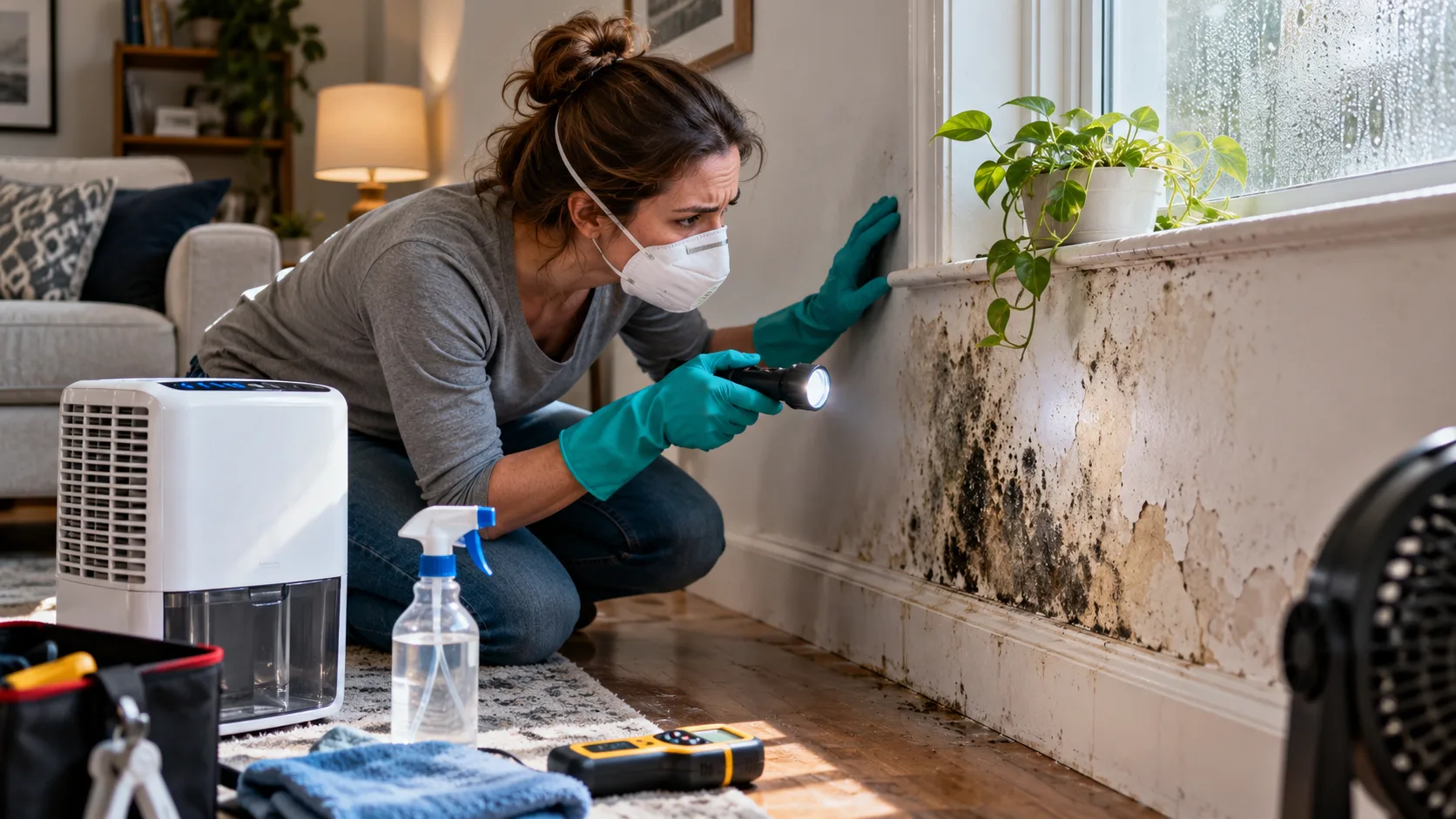
Mold is a common household problem that can affect the appearance, comfort, and indoor air quality of your home. It often develops in damp areas such as bathrooms, basements, kitchens, and poorly ventilated rooms. Finding mold in house spaces can be concerning, especially when dark patches, musty odors, or unexplained moisture begin appearing on walls and ceilings.
Mold develops when tiny fungal spores settle on surfaces with enough moisture to support growth. Although mold spores naturally exist in indoor and outdoor environments, persistent dampness can allow them to spread across building materials. Understanding the early warning signs and common causes helps homeowners address moisture problems before extensive damage occurs.
In this guide, we will explain the signs of mold in a house, what causes it, potential health concerns, and practical ways to address the problem. You will also learn how to prevent recurring mold growth and when professional mold remediation may be necessary.
What Is Mold and Why Does It Grow in Houses?
Mold is a type of fungus that grows in environments containing sufficient moisture and suitable organic material. It reproduces by releasing microscopic spores that can travel through indoor and outdoor air. When these spores settle on damp surfaces, they may develop into visible colonies that continue spreading if the moisture source remains.
Many building materials provide suitable conditions for mold growth when they become wet. Drywall, wood, wallpaper, carpets, insulation, and ceiling tiles can support mold because they contain or collect organic material. Bathrooms and basements are particularly vulnerable when humidity remains elevated or water leaks go unnoticed.
Mold growth is not always a sign of poor housekeeping because moisture problems can develop in otherwise well-maintained homes. A concealed plumbing leak or damaged roof may create conditions that encourage fungal growth behind walls. Identifying and correcting the underlying moisture problem is essential for preventing mold from returning after cleanup.
Common Signs of Mold in a House
One of the most recognizable signs of mold in a house is visible discoloration on walls, ceilings, or other surfaces. Mold may appear as black, green, white, gray, or brown patches depending on the organism and surrounding conditions. Some growth looks fuzzy or powdery, while other patches appear as irregular stains.
A persistent musty odor is another common warning sign, particularly in enclosed or poorly ventilated spaces. This smell may become noticeable inside closets, basements, bathrooms, or rooms that have experienced water damage. An unusual odor without visible growth can sometimes indicate moisture or mold developing in a concealed location.
Other warning signs include peeling paint, bubbling wallpaper, water stains, and damp surfaces that never seem to dry completely. These conditions do not always confirm mold, but they suggest moisture problems requiring investigation. Addressing these warning signs early can help reduce damage to building materials and improve indoor conditions.
What Causes Mold in a House?
Excess moisture is the main reason mold develops inside residential buildings. Plumbing leaks, roof damage, condensation, flooding, and high indoor humidity can all create conditions that encourage growth. When moisture remains trapped in building materials, mold may begin growing even when the surrounding room appears reasonably clean.
Poor ventilation is another important contributing factor because humid air may accumulate in bathrooms, kitchens, and laundry rooms. Activities such as showering, cooking, and drying clothes indoors can increase moisture levels. Without sufficient airflow or moisture removal, condensation may collect on windows, walls, and other cooler surfaces.
Structural problems can also contribute to persistent dampness and mold development. Damaged gutters, foundation leaks, and poorly sealed windows may allow water to enter the home. Even small leaks can create significant problems when they remain hidden for extended periods, making regular inspections and maintenance important.
Different Types of Mold Found in Homes
Several types of mold can grow inside homes, including Cladosporium, Penicillium, and Aspergillus. These fungi may appear on damp building materials, household surfaces, and areas affected by condensation. Their appearance and growth patterns vary, making it difficult to identify a particular species through visual inspection alone.
Black-colored mold often attracts attention because homeowners associate it with serious contamination. However, many different molds can appear dark, and color alone does not reveal the species or potential health effects. Any visible indoor mold growth should be addressed regardless of whether it appears black, green, gray, or white.
Homeowners generally do not need to identify the exact species before taking action. The most important steps are finding the source of moisture and arranging appropriate cleanup. Professional assessment may be helpful when mold is widespread, hidden inside building materials, or associated with significant water damage.
Is Mold in a House Dangerous to Your Health?
Exposure to indoor mold can affect people differently depending on their sensitivities and existing health conditions. Some individuals experience no noticeable symptoms, while others develop allergic reactions or respiratory irritation. Common concerns include nasal congestion, coughing, throat irritation, itchy eyes, and skin discomfort after exposure to damp or moldy environments.
People with asthma, mold allergies, chronic respiratory conditions, or weakened immune systems may face greater health risks. Mold exposure can aggravate existing breathing problems, and certain vulnerable individuals may develop more serious complications. However, symptoms alone cannot confirm that mold is responsible because many other environmental factors can produce similar reactions.
If household members experience persistent breathing difficulties, recurring irritation, or symptoms that worsen indoors, medical advice may be appropriate. People with weakened immune systems should avoid participating in mold cleanup and should seek professional guidance. Removing mold and correcting moisture problems helps create a healthier indoor environment for everyone.
Where Is Mold Most Likely to Grow in a House?
Bathrooms are among the most common places for indoor mold because showers and baths generate considerable moisture. Mold may develop around tiles, ceilings, window frames, and poorly ventilated corners. Persistent condensation and leaking fixtures can make these areas especially vulnerable when surfaces remain damp for long periods.
Basements and crawl spaces also experience mold problems because they may have limited ventilation and moisture entering through foundations. Water intrusion, high humidity, and condensation on cooler surfaces can encourage fungal growth. Kitchens and laundry rooms face similar risks when plumbing connections leak or appliances release excess moisture.
Mold may also appear behind furniture, beneath carpets, around windows, and inside wall cavities. These locations can remain damp without obvious warning signs. Inspecting areas affected by leaks, stains, or unusual odors can help homeowners identify problems before mold damages larger portions of the property.
How to Check for Hidden Mold in Your Home
Hidden mold can be difficult to identify because it may develop behind drywall, wallpaper, cabinets, or other building materials. A persistent musty smell is sometimes the first indication that something is wrong. Water stains, recurring dampness, or unexplained surface deterioration can also suggest concealed moisture problems.
Homeowners can begin by visually checking accessible areas around sinks, windows, ceilings, and plumbing fixtures. Moisture meters and humidity monitors may help identify unusually damp conditions, although they do not confirm mold species or contamination levels. Avoid disturbing suspected moldy materials because doing so may spread particles into the surrounding air.
Professional inspection is often appropriate when there is evidence of significant hidden water damage or mold behind structural materials. Specialists can assess moisture conditions and determine which areas require further investigation. Routine mold testing is not always necessary when visible mold is already present, because cleanup and moisture control remain the priorities.
How to Remove Small Areas of Mold Safely
Small areas of mold on accessible, nonporous surfaces can sometimes be cleaned without extensive remediation. The surface should first be assessed to confirm that the affected area is limited and that the moisture source has been corrected. People with respiratory conditions, mold allergies, or weakened immune systems should not handle mold cleanup.
For a minor surface problem, appropriate household cleaning products and careful cleaning may be sufficient. Protective gloves, eye protection, suitable respiratory protection, and good ventilation can help reduce exposure. Cleaning chemicals should always be used according to their labels, and different cleaning products should never be mixed.
Porous materials such as carpet, insulation, and heavily affected drywall may be difficult to clean effectively because mold can penetrate their structure. These materials sometimes require professional removal and replacement. When mold covers a large area, involves contaminated floodwater, or continues returning, hiring qualified remediation professionals is the safer approach.
When Should You Hire a Professional Mold Removal Company?
Professional mold remediation is recommended when the affected area is extensive or difficult to access. As a general guideline, mold growth covering more than approximately 10 square feet deserves professional evaluation. Significant water damage, sewage contamination, and suspected mold inside ventilation systems also require specialized assessment.
A qualified mold remediation company can evaluate visible damage, identify moisture-related problems, and develop an appropriate removal plan. Depending on the situation, remediation may involve containment, removal of damaged materials, specialized cleaning, and drying. Correcting the source of moisture remains essential because mold can return if damp conditions continue.
Homeowners should compare contractors carefully and ask about relevant qualifications, insurance, and remediation procedures. A trustworthy professional should explain the proposed work and provide clear information about expected costs. Successful remediation addresses both the contaminated materials and the environmental conditions that allowed mold to grow.
How Much Does Mold Removal Cost?
Mold removal costs vary depending on the affected area, type of materials, accessibility, and severity of water damage. Minor professional remediation projects may cost several hundred dollars, while larger problems can require thousands. Extensive contamination involving multiple rooms or structural repairs can increase expenses considerably.
The following table provides broad illustrative cost ranges for residential mold remediation in the United States. These figures are planning estimates rather than guaranteed contractor prices.
| Mold Removal Project | Estimated Cost |
|---|---|
| Small localized remediation | $300–$1,000 |
| Bathroom mold remediation | $500–$2,000 |
| Basement mold remediation | $1,000–$5,000 |
| Attic mold remediation | $1,000–$4,000 |
| Extensive mold remediation | $3,000–$10,000+ |
The final expense depends on whether contaminated materials must be removed, ventilation systems require attention, or underlying water damage needs repair. Inspection and testing services may also involve additional charges. Homeowners should request detailed written estimates describing the remediation scope, necessary repairs, and measures intended to prevent recurrence.
Insurance coverage is another consideration because some water-damage claims may include related mold remediation. Coverage depends on the cause of the damage and specific policy terms. Gradual leaks, ongoing maintenance problems, and long-term moisture issues may be excluded, so reviewing the policy and contacting the insurer is important.
How to Prevent Mold From Growing in Your House
Controlling indoor moisture is the most effective way to prevent mold growth. Homeowners should repair plumbing leaks, address roof damage, and dry wet building materials promptly. After water intrusion, drying affected areas within approximately 24 to 48 hours can significantly reduce the conditions that encourage mold development.
Maintaining suitable indoor humidity is another important prevention measure. Keeping relative humidity around 30% to 50% where practical can help discourage mold growth. Bathroom exhaust fans, kitchen ventilation, dehumidifiers, and properly maintained air conditioning systems can assist with managing moisture in different parts of the house.
Regular inspections help identify developing problems before they spread. Check areas around windows, under sinks, near appliances, and beneath roofing materials for signs of leakage or condensation. Keeping gutters clear and ensuring rainwater drains away from the foundation can also reduce the risk of unwanted moisture entering the home.
Can Mold Come Back After Cleaning?
Mold can return after cleaning when the underlying moisture problem remains unresolved. Removing visible patches does not prevent new growth if water continues entering through a leak or humidity stays excessively high. Successful mold control requires both appropriate cleanup and reliable management of moisture sources.
Recurring mold around windows may indicate persistent condensation, while repeated growth on ceilings can suggest roof leaks or ventilation problems. Mold that returns in bathrooms may be associated with inadequate airflow or consistently wet surfaces. Identifying these patterns helps homeowners understand why previous cleaning efforts were unsuccessful.
If mold keeps appearing despite reasonable moisture-control measures, a professional inspection may be necessary. Hidden dampness, damaged insulation, or moisture entering from outside the building can require specialized investigation. Addressing these conditions is usually more effective than repeatedly cleaning the same visible patches without correcting their cause.
Common Mistakes to Avoid When Dealing With Household Mold
One common mistake is painting directly over mold without removing it or correcting the moisture problem. Although fresh paint may temporarily hide discoloration, fungal growth can continue beneath the coating. The affected surface must be properly addressed and dried before any suitable repainting work begins.
Another mistake involves ignoring small leaks because the visible damage appears minor. Moisture can spread through drywall, insulation, flooring, and structural materials before obvious mold growth becomes noticeable. Delaying repairs may increase the amount of damage and make professional remediation more expensive.
Homeowners should also avoid assuming that every dark stain is harmless or that every black patch represents a particular toxic species. Visual appearance cannot reliably establish the exact type or health risk. Focusing on moisture control, appropriate cleanup, and professional guidance when needed provides a more dependable approach.
Conclusion
Discovering mold in house environments can be unpleasant, but understanding the warning signs makes the problem easier to address. Visible patches, musty odors, damp surfaces, and recurring water stains often indicate moisture conditions that deserve attention. Identifying the cause early can help protect building materials and reduce the risk of extensive contamination.
Mold may develop because of plumbing leaks, roof damage, condensation, flooding, or inadequate ventilation. Small problems on suitable surfaces can sometimes be handled with careful cleaning, while widespread contamination requires professional assessment. Regardless of the removal method, correcting the underlying moisture source is essential for preventing mold from returning.
Regular home maintenance, moisture control, and prompt repairs are the most effective ways to reduce indoor mold problems. Keep humidity at suitable levels, improve ventilation, and inspect areas where water commonly accumulates. With consistent prevention and timely action, homeowners can maintain a cleaner, more comfortable indoor environment.
Frequently Asked Questions
What are the first signs of mold in a house?
Common early signs include musty odors, dark or discolored patches, water stains, peeling paint, and persistent dampness. Mold may also grow in hidden areas where moisture accumulates behind building materials.
Can mold in a house make you sick?
Yes, mold exposure can cause allergic symptoms, coughing, eye irritation, and breathing difficulties in some people. Individuals with asthma, allergies, or weakened immune systems may experience more significant health effects.
Can you stay in a house with mold?
It depends on the extent of contamination and individual health risks. Significant mold growth, respiratory symptoms, or vulnerable household members may require professional assessment and temporary avoidance of affected areas.
Does painting over mold get rid of it?
No, painting over mold does not remove the contamination or correct the moisture problem. The affected materials must be properly cleaned or replaced, and surfaces should be dry before repainting.
How quickly can mold grow after water damage?
Mold can begin developing on damp materials within approximately 24 to 48 hours under favorable conditions. Prompt drying, leak repairs, and moisture control can help prevent growth after water damage.