
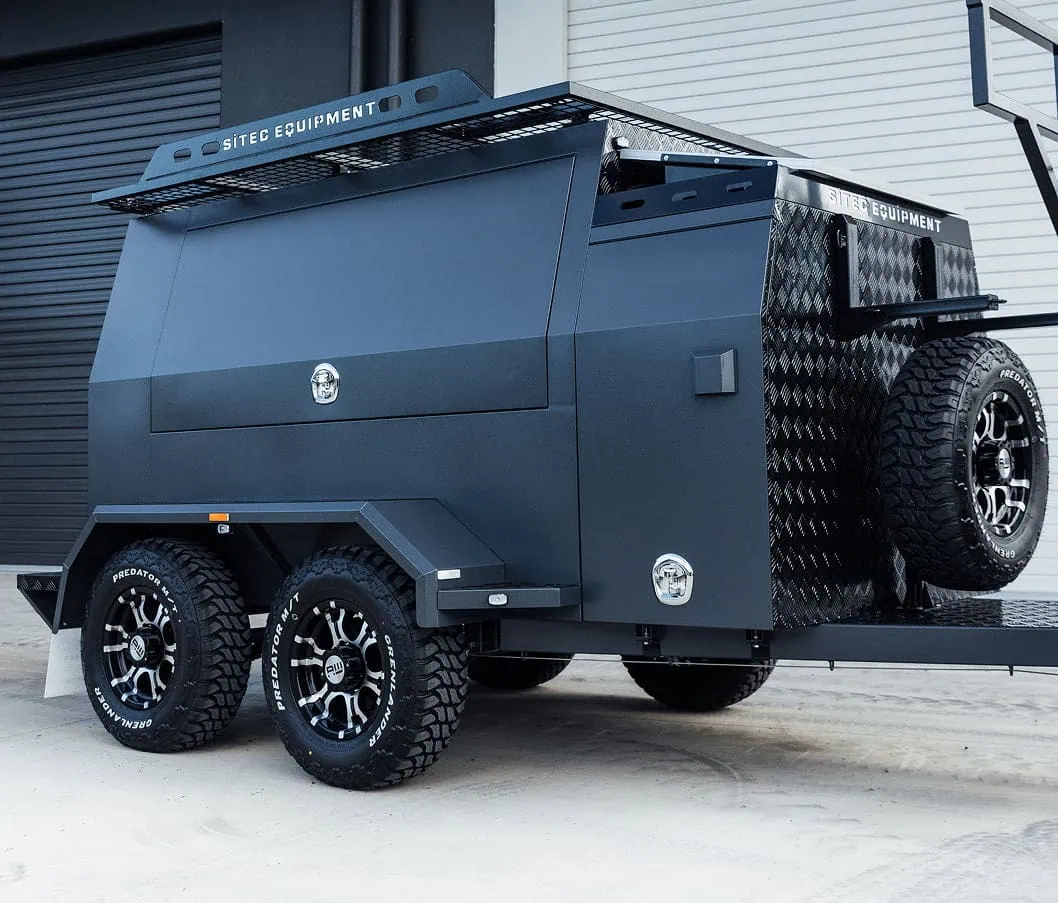
Selecting the appropriate tool trailer is essential for businesses and professionals who require efficient transportation and storage solutions for their equipment. A tool trailer offers a practical and secure way to carry various tools and materials to job sites, ensuring organisation and easy access.
Understanding the Importance of Tool Trailers
Tool trailers play a crucial role in enhancing productivity by providing a mobile workspace and storage unit. They are designed to protect tools from environmental elements and theft, which is particularly important for contractors, builders, and tradespeople who often work in different locations.
Types of Tool Trailers Available
There are various types of tool trailers available, each suited for different needs. From small, compact trailers ideal for minor tools to larger trailers equipped with specialised compartments and security features, choosing the right one depends on the type and volume of equipment to be transported.
Key Features to Consider
When selecting a tool trailer, it is important to consider features such as load capacity, durability, ease of access, and security systems. A trailer made from high-quality materials ensures longevity, while efficient design can facilitate quick loading and unloading.
Materials and Construction
Tool trailers are commonly constructed from materials such as aluminium and steel. Aluminium trailers provide the advantage of being lightweight and resistant to rust, whereas steel trailers typically offer greater strength and robustness, suitable for heavy-duty use.
Security Measures for Tool Trailers
Security is a critical aspect, as tool trailers often contain valuable equipment. Features such as lockable compartments, reinforced doors, and alarm systems help safeguard tools from theft and unauthorised access.
Implementing Practical Storage Solutions
Inside the trailer, the organisation is facilitated by shelves, drawers, and compartments tailored to store tools systematically. This design not only helps in protecting the equipment but also improves efficiency by allowing users to find and retrieve tools quickly.
Mobility and Towing Considerations
Ease of mobility is another important factor. Tool trailers should be compatible with standard towing vehicles and designed to offer stability and ease of manoeuvre on various terrains. Proper hitching systems and lighting are essential for safety during transportation.
Maintenance and Durability
Regular maintenance of tool trailers is imperative to ensure durability and performance. Checking tire pressure, lubricating moving parts, and inspecting for wear and tear can prevent breakdowns and extend the trailer’s lifespan.
Benefits of Using a Tool Trailer
Investing in a tool trailer offers several benefits, including improved organisation, enhanced security, and increased efficiency. It helps in reducing downtime by ensuring that all necessary tools are readily available and protected while on the move.
Customising Tool Trailers
Many manufacturers offer customisation options to tailor tool trailers to specific needs. These options include specialised storage configurations, additional security features, and customised size and weight capacities.
Compliance with Regulations
It is essential to ensure that the tool trailer conforms to local safety and road regulations. This includes compliance with weight restrictions, lighting standards, and braking systems to guarantee safe and lawful transportation.
Cost Considerations
The cost of tool trailers varies depending on size, materials, features, and customisation options. While initial investment can be significant, the long-term benefits in productivity and equipment protection often justify the expenditure.
Choosing a Reliable Supplier
Selecting a reputable supplier is vital to obtaining a high-quality tool trailer. Trusted suppliers provide expert advice, warranties, and after-sales support, which are crucial for making an informed purchase and ensuring ongoing satisfaction.
Conclusion
In summary, a tool trailer is a practical investment that enhances the capability of professionals who require efficient transport and storage of tools. Understanding the available types, key features, and maintenance requirements will aid in selecting a trailer that best fits one’s operational needs.