
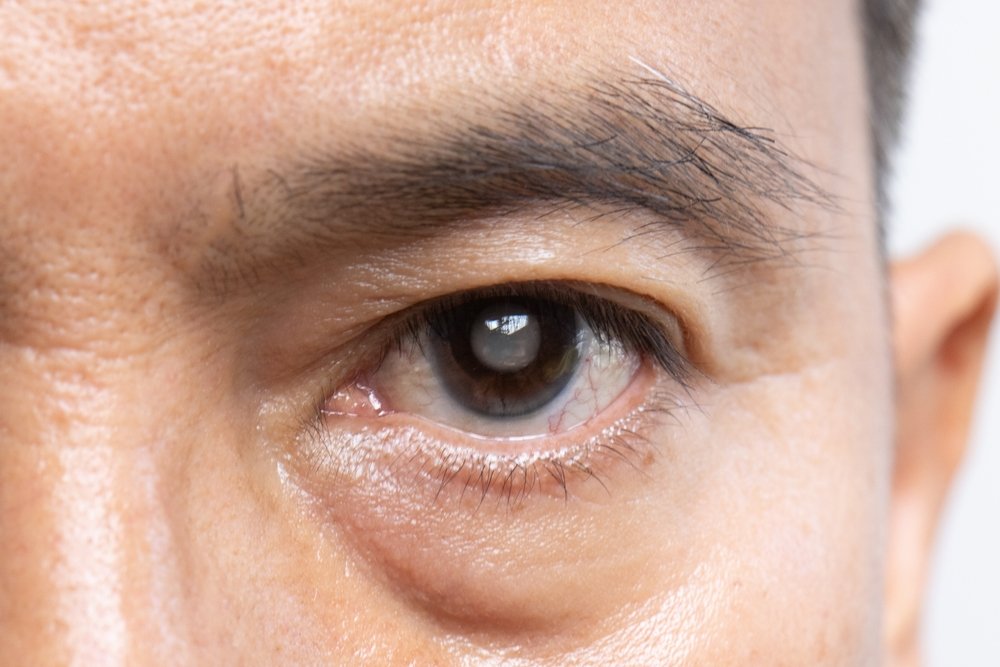
Cataracts often start quietly.
At first, you may not think of them as a medical issue. You may just need more light to read. You may clean your glasses more often. You may avoid driving after dark because headlights feel too bright. You may notice that colors look duller than they used to, but only when you compare them to an old photo or a freshly painted wall.
That slow change is one reason cataracts can be easy to dismiss. Vision does not always shift overnight. It can fade into daily life.
Paul Michael Mann, MD, FACS, from Mann Eye Institute, explains that cataracts can affect more than sharpness on an eye chart. They can change how the eye handles light, contrast, glare, and detail, which is why people looking into cataract surgery in Houston often start with everyday frustrations rather than one dramatic symptom.
Cataracts happen when the normally clear lens inside the eye becomes cloudy. According to the National Eye Institute, common symptoms include cloudy or blurry vision, faded colors, trouble seeing at night, sensitivity to light, halos around lights, double vision in one eye, and frequent prescription changes. Those symptoms can touch many parts of a normal day.
Why cataracts make clear vision harder
The lens of the eye helps focus light so the brain can form a clear image. When that lens becomes cloudy, light does not pass through as cleanly. The result can feel like looking through a foggy window.
This is different from simple nearsightedness or farsightedness. Glasses may help some people for a while, especially in the early stages. But if the lens itself is cloudy, a stronger prescription may not fully restore the crispness that used to be there.
That can be frustrating because cataract symptoms often feel inconsistent.
You may see well enough in bright, even light, but struggle in dim rooms. You may read large print but lose track of smaller text. You may feel fine during the day but uncomfortable at dusk. You may notice that faces, road signs, or details on a screen look less sharp than they should.
Cataracts can also affect contrast. Contrast is what helps you distinguish an object from its background. When contrast drops, black text on a white page may look softer. Stairs may be harder to judge in low light. A curb may not stand out as clearly. These changes are not always dramatic, but they can make daily activities require more attention.
Colors may also look faded or yellowed. This can happen gradually, so people may not realize how much color perception has changed until after treatment or a comparison with an earlier memory of how things looked.
The important point is that cataracts do not only make vision blurry. They can change the quality of vision. That is why someone may say, “I can still see,” while also admitting that reading, driving, or watching television has become more tiring.
How glare and blurry vision affect driving
Driving is one of the first places many people notice cataracts.
During the day, sunlight may feel harsher than before. Reflections from windshields, wet roads, or bright pavement may be distracting. At night, headlights and streetlights may create glare or halos. The American Academy of Ophthalmology lists glare, light sensitivity, halos around lights, and difficulty seeing at night among common cataract symptoms.
This can make driving feel less predictable.
A person may still pass a vision test but feel uneasy on unfamiliar roads. Lane markings may be harder to see in the rain. Oncoming headlights may scatter light across the field of vision. Reading street signs may take longer. Turning onto a dark road may feel less comfortable than it used to.
These changes matter because driving depends on more than sharp central vision. It also requires contrast, depth judgment, reaction time, and the ability to handle changing light conditions. Cataracts can interfere with some of those visual demands, especially when the lighting is poor.
Night driving can be especially challenging because the pupil gets larger in dim light, allowing more scattered light to enter the eye. If the lens is cloudy, that scattered light can make glare more noticeable. The result may be a sense that headlights are too bright while the rest of the road feels too dark.
Not everyone with cataracts needs to stop driving right away. The issue is whether vision changes are starting to affect safety or confidence. If you find yourself avoiding night driving, missing signs, feeling blinded by headlights, or needing a passenger to help spot turns, those are practical signs worth discussing during an eye exam.
It is also worth paying attention to patterns. A single difficult drive in heavy rain may not mean much. A steady habit of changing routes, limiting night driving, or feeling anxious behind the wheel may mean your vision deserves a closer look.
Why reading and screen time may become more tiring
Cataracts can also show up in quieter ways.
Reading may take more effort. You may hold a book closer, turn on extra lamps, increase the font size on your phone, or lose your place more often. Fine print may look washed out. Black letters may not stand out as strongly against the page.
Screen use can become tiring, too. A bright screen may feel harsh, but a dimmer screen may make text harder to read. You may keep adjusting brightness without finding a comfortable setting. If cataracts are affecting contrast or causing glare, the problem may not be the device alone.
This is where people often blame normal aging, poor sleep, or needing new glasses. Those can all play a role. But cataracts may be part of the reason near tasks become less comfortable.
The Mayo Clinic notes that clouded vision from cataracts can make it harder to read, drive at night, or see a friend’s expression. That last example is useful because it shows how cataracts can affect ordinary social and daily moments, not just medical test results.
Think about the small tasks that depend on clear vision: reading a medication label, checking a receipt, following a recipe, seeing a menu in low light, recognizing someone across a room, or watching subtitles on television. When cataracts affect these activities, people may slowly adjust to the problem.
They may stop reading before bed because the light never feels right. They may avoid restaurants with dim lighting. They may ask someone else to read small instructions. They may assume their eyes are just tired.
The problem with adjusting around cataracts is that it can make the change feel normal. You may not realize how much your routine has shifted until someone asks directly: What have you stopped doing because seeing it became inconvenient?
That question can be more useful than asking only whether vision is blurry.
When daily changes mean it is time for an eye exam
Cataracts are common, especially with age. The National Eye Institute notes that cataracts can happen as people get older, and cataract surgery may be suggested when cataracts begin interfering with everyday activities such as reading, driving, or watching television.
An eye exam is worth scheduling when vision changes start affecting routine tasks. That includes glare that makes driving uncomfortable, blurry vision that does not fully improve with glasses, trouble reading in normal light, frequent prescription changes, faded colors, or halos around lights.
It is also important to mention changes that may seem minor. Eye doctors do not only need to know whether you can read the chart. They need to know what your vision is like in real life.
Useful details include:
- whether night driving has become harder
- whether headlights or sunlight feels more intense
- whether reading requires more light than before
- whether colors seem duller
- whether your glasses prescription keeps changing
- whether one eye seems worse than the other
- whether daily tasks feel less comfortable because of vision
A cataract evaluation can help determine whether cataracts are present, how much they are affecting vision, and whether another eye condition may also be involved. Not every cataract needs surgery immediately. Some people manage early symptoms with brighter lighting, updated glasses, anti-glare lenses, or monitoring.
When cataracts begin limiting daily life, surgery may become part of the conversation. During cataract surgery, the clouded lens is removed and replaced with an artificial lens, also called an intraocular lens or IOL. The National Eye Institute describes cataract surgery as a common procedure that can help restore clearer vision when cataracts interfere with daily activities.
For patients whose cataracts are affecting driving, reading, or daily comfort, Mann Eye Institute offers cataract evaluation and surgical care within a broader ophthalmology and optometry network. The practice provides comprehensive eye exams, diagnostic testing, laser cataract surgery, and lens options that can be discussed based on a patient’s visual needs and lifestyle goals.
Cataracts do not always announce themselves dramatically. They may show up as extra glare, duller colors, harder reading, or a slow loss of confidence behind the wheel.
Those changes are easy to explain away. But they are also worth checking.
Clearer vision is not only about reading smaller letters. It is about moving through daily life with less effort, less guesswork, and a better understanding of what your eyes need next.