
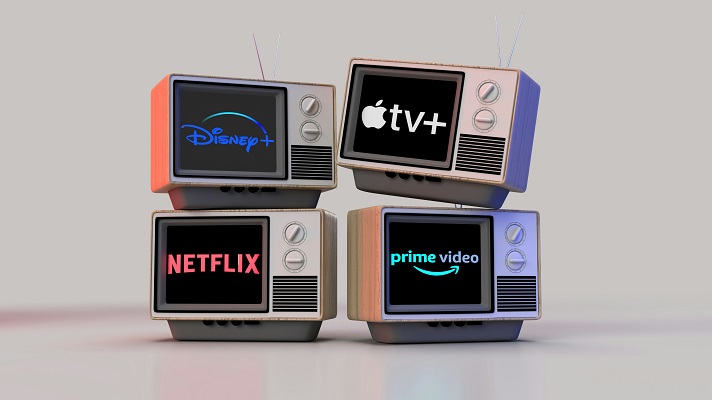
Streaming services have significantly transformed the way audiences consume media. Unlike traditional methods such as cable television and physical media like DVDs, streaming platforms enable users to access a vast array of content over the internet, on-demand, and generally without the need for extensive equipment. At their core, streaming services function by delivering audio or video content in real-time, allowing viewers to watch programs as they are being transmitted rather than requiring downloads or waiting for a scheduled broadcast.
The evolution of media consumption has experienced rapid changes, particularly in the last decade. Initially, viewers primarily relied on cable channels and terrestrial broadcasters, which offered limited programming options within fixed timeslots. However, with the advent of high-speed internet and advancements in technology, the landscape began to shift dramatically. Users now favor platforms like Netflix, Amazon Prime Video, and Hulu that present extensive libraries of movies, series, and exclusive content accessible on various devices, including smart TVs, tablets, and smartphones.
The fundamental shift towards streaming services is characterized by several key factors. On-demand access allows consumers to watch their desired content anytime and anywhere, catering to their increasingly mobile lifestyles. Furthermore, subscription models provide users with a flexible and often cost-effective alternative to traditional cable packages. As a result, industry analysts have observed a significant decline in cable subscriptions, a phenomenon commonly referred to as “cord-cutting.” This trend underscores society’s growing preference for the convenience and personalization offered by streaming platforms.
As streaming services continue to evolve, they are reshaping the entire media landscape, forcing traditional broadcasters to adapt their distribution strategies. The rise of this technology highlights the modern audience’s desire for convenience and control over their viewing experiences, paving the way for a future where streaming could dominate content consumption.
The Shift in Content Consumption
The rise of streaming services has significantly transformed the way audiences consume media. In recent years, we have witnessed a notable shift toward on-demand viewing, which allows consumers to select what they want to watch and when they want to watch it. According to recent studies, the average American now spends more time streaming video content than watching traditional television. This shift is evident in the substantial increase in subscriptions to platforms like Netflix, Amazon Prime Video, and Disney+, which collectively boast millions of subscribers worldwide.
One of the most prominent trends associated with streaming is the phenomenon of binge-watching. The availability of entire seasons of television shows at once caters to the modern viewer’s desire for convenience and flexibility. In fact, research indicates that a significant percentage of viewers prefer to binge-watch series rather than consuming them episodically. This behavior is reshaping content creation, as producers are increasingly designing shows with binge-watching in mind, delivering coherent and cohesive story arcs that retain viewer attention over multiple episodes.
Moreover, the decline in traditional TV viewership is becoming more pronounced. As audiences migrate toward streaming services, traditional broadcasters are challenged to retain viewers who seek the flexibility afforded by on-demand content. Recent statistics show that cable TV subscriptions are declining, with many consumers disconnecting from cable entirely in favor of more customizable streaming options. This highlights a broader trend where user preferences are increasingly aligned with flexible viewing experiences, as they look for the convenience that streaming services provide.
Overall, the landscape of media consumption is rapidly changing as streaming services continue to dominate the market, changing how and when content is consumed. This shift is indicative of a new era in entertainment, one that prioritizes consumer choice and accessibility.
Diversity of Content Available
The advent of streaming services has revolutionized the media landscape, leading to an unprecedented diversity of content that caters to various audience segments. Unlike traditional media, which often prioritized mainstream narratives, streaming platforms have embraced a multitude of genres and formats, offering users a rich tapestry of choices. This diversification includes not only popular movies and television shows but also lesser-known indie films, documentaries, and even user-generated content.
From documentaries exploring niche subjects to foreign language series that expose viewers to different cultures, streaming services have significantly broadened the types of content available. This shift has allowed audiences to explore a wealth of stories and perspectives that were often overlooked in traditional broadcasting. As a result, viewers can now access a wider range of voices, enhancing representation across media.
Moreover, the rise of streaming services has diminished the significance of geographic limitations that once confined access to certain content. Audiences, regardless of their location, can now discover and enjoy shows and movies from across the globe, fostering an appreciation for diverse cultures and storytelling techniques. Services such as Netflix, Amazon Prime Video, and Hulu have developed extensive catalogs that include not only local productions but also international films and series that reflect global interests.
This breakthrough in content diversity is particularly salient for marginalized communities and underrepresented groups, who can find programming that resonates with their experiences. By showcasing a broader spectrum of narratives and ideas, streaming services contribute to a more inclusive media environment, which is crucial for social dialogue and understanding.
Impact on Film and Television Production
Streaming services have transformed the landscape of film and television production, introducing new dynamics that are reshaping the industry. Platforms such as Netflix, Amazon Prime, and Hulu have emerged as significant players, focusing on the creation of original content that aims to attract and retain subscribers. This shift from traditional networks to streaming platforms has led to a marked increase in the volume of content produced, with a particular emphasis on diverse narratives and innovative storytelling.
One of the primary impacts of streaming services is the redefinition of funding models for film and television projects. Unlike conventional media outlets, which often rely on advertising revenue, streaming platforms operate under a subscription-based model. This allows them to invest heavily in original productions without the same immediate pressure to generate ad revenue. As a result, we are witnessing a surge in high-quality, cinematic content produced specifically for streaming audiences.
The influence of streaming services extends to distribution models as well. Traditional theatrical releases and broadcast schedules are becoming less relevant, as content can now be accessed on-demand from anywhere with an internet connection. This flexibility is appealing to both creators and consumers, allowing filmmakers and showrunners to explore unique ideas that might not align with conventional studio expectations. Consequently, we are seeing an increasing willingness among producers to experiment with formats, lengths, and genres, leading to more varied and enriched viewing experiences.
Moreover, the global reach of streaming services has enabled stories from around the world to gain visibility and audiences that previously might have been overlooked. This international accessibility is fostering cross-cultural collaborations and the exchange of ideas within the industry. Overall, streaming services are not only influencing the production of films and television shows but are also setting new industry standards that challenge existing norms.
Subscription Models and Consumer Economics
The advent of streaming services has revolutionized the media landscape, primarily through various subscription models that have emerged. These models can significantly influence consumer spending habits and reshape the financial framework within the media industry. At the heart of the transformation is the subscription-based model, which requires users to pay a recurring fee for access to a library of content. This creates a predictable revenue stream for media companies and enhances financial sustainability when managed effectively.
In addition to subscription models, some streaming services have adopted ad-supported frameworks. This model allows consumers free access to media, albeit with advertisements that generate revenue for the service providers. The dual approach not only caters to cost-sensitive consumers but also introduces a wider audience to the media offerings, potentially converting ad-supported users into paying subscribers over time. These strategies illustrate how platforms can leverage diverse revenue streams to expand their audience base while maintaining financial viability.
The impact of these economic models extends to consumer behavior as well. Subscription services often lead to increased media consumption, as users find it convenient to access vast libraries from the comfort of their homes. Moreover, the model encourages content creators to produce higher-quality productions, knowing that a steady income will be generated from subscriptions. This has resulted in an uptick of original programming across platforms, enhancing competition and improving content diversity.
Furthermore, consumer economics are reshaped as users weigh the value of numerous subscription services against traditional cable packages. As costs of subscription services vary widely, consumers now face decisions that influence their media consumption patterns and budgets. Economically, these dynamics are crucial in understanding both consumer preferences and the strategic positioning of media companies in a rapidly evolving streaming marketplace.
Global Reach and Accessibility
In recent years, streaming services have fundamentally transformed the media landscape by expanding the reach and accessibility of content across the globe. These platforms have significantly lowered barriers to entry for consumers, allowing viewers from both urban and rural areas to access a diverse array of content. This widespread availability is particularly vital in underserved markets, where traditional media may have limited penetration. For instance, high internet connectivity combined with affordable smartphone technology has made streaming services a viable option for millions who previously relied on conventional television.
The impact of streaming services on cultural exchange cannot be overstated. By democratizing access to various genres and formats, platforms such as Netflix, Amazon Prime Video, and Disney+ have bridged the gap between different cultural backgrounds. Consumers can now view films, series, and documentaries produced in countries that were previously inaccessible due to geographical or economic barriers. As a result, there is an increased appreciation for diverse stories, enriching the viewing experience. For example, shows and films originating from South Korea or Nigeria have garnered international audiences, facilitating a greater appreciation for their unique narratives and storytelling techniques.
This globalization of media has significant implications for cultural exchange. It encourages not only the acceptance of different cultural contexts but also the potential for collaboration between creators from various backgrounds. As viewers are exposed to and embrace diverse perspectives, they contribute to a global dialogue about identity, societal issues, and artistic expression. Thus, streaming services serve not just as entertainment platforms but as vital conduits for cultural understanding and appreciation, ultimately fostering a more interconnected world.
Challenges Facing Streaming Services
As the digital landscape evolves, streaming services encounter a multitude of challenges that significantly impact their operational strategies. One of the foremost issues is the complex realm of licensing, where navigating the rights to distribute content can become cumbersome and expensive. Licensing agreements often involve negotiations with multiple stakeholders, making it vital for streaming platforms to maintain favorable relationships with content creators and distributors. Failure to secure appropriate rights can lead to gaps in libraries, causing frustration among subscribers who expect a comprehensive viewing experience.
In addition to licensing hurdles, content saturation has emerged as a significant concern. With numerous platforms vying for viewer attention, the sheer volume of content available can overwhelm audiences. This saturation not only complicates discovery but also dilutes the perceived value of specific offerings. As subscribers grapple with decision fatigue, retaining their engagement becomes pivotal for streaming services aiming to maintain a steady growth trajectory.
Moreover, the competitive landscape is intensifying as established players and new entrants alike strive to capture market share. Organizations face the daunting task of differentiating their content, often resulting in substantial investments in original programming. However, the risk associated with these financial commitments can be high, particularly if the content does not resonate with audiences as intended. Navigating this competitive atmosphere necessitates ongoing market analysis and agile decision-making.
Lastly, subscriber retention poses a significant challenge as streaming services must continuously engage their audiences to prevent churn. With the availability of numerous platforms, even loyal customers can be tempted to explore alternatives. Thus, implementing effective retention strategies, such as personalized recommendations and exclusive content, is essential for sustaining long-term relationships with subscribers. Ultimately, how streaming services address these challenges will shape their futures in an inherently dynamic industry.
The Future of Media: Predictions and Trends
As the landscape of media continues to evolve, streaming services are poised to play a crucial role in shaping its future. One significant trend is the advancement in technology that empowers streaming services. With rapid developments in artificial intelligence, we can expect personalized content delivery systems that analyze user preferences and behaviors to tailor recommendations. This integration of technology aims to enhance engagement and viewer satisfaction.
User interfaces are also likely to undergo substantial transformation. As consumers seek intuitive and streamlined experiences, we may witness the rise of voice-enabled browsing and augmented reality features within streaming platforms. These advancements will not only improve accessibility but also enable a more immersive media experience, bridging the gap between the audience and the content.
Furthermore, consumer behaviors are anticipated to shift in response to these innovations. With the predominance of mobile devices and tablets, users are increasingly consuming media on-the-go, leading to a demand for bite-sized content that fits into busy lifestyles. As a result, we may see an influx of short-form videos and episodic series tailored for quick consumption. Additionally, subscription-based models are likely to become more prevalent, catering to the growing desire for exclusive content offerings.
In conclusion, the future of media driven by streaming services hints at a landscape marked by technological advancements, novel user interfaces, and evolving consumer habits. These factors promise not only to redefine how content is produced and consumed but also to open new avenues for creators and advertisers alike in this dynamic media ecosystem.
Conclusion
Throughout this blog post, we have explored the profound changes that streaming services have brought to the media landscape. From altering how content is consumed to reshaping the business models of traditional media, the rise of streaming platforms has undeniably left a mark on the industry. The convenience and accessibility that these services provide have transformed viewing habits, allowing users to enjoy a wide array of content on-demand, according to their personal schedules and preferences.
However, this significant transformation is not without its drawbacks. The decline of traditional media outlets, such as cable television and cinema attendance, indicates a shifting ecosystem, where certain forms of media may struggle to survive in the face of streaming’s popularity. Furthermore, concerns regarding content quality, the impact on film production values, and the sustainability of existing media practices have risen alongside the influx of streaming platforms.
As we delve into the future of the media industry, it is likely that streaming services will continue to play a pivotal role in shaping audience expectations and content delivery. The blending of various content formats that streaming promotes may lead to innovative storytelling methods and diverse programming options. Yet, it will be crucial for both creators and consumers to navigate this new terrain carefully, ensuring a balanced approach that supports both emerging platforms and conventional media.
In conclusion, the impact of streaming on the media is indelible, presenting both opportunities and challenges. As the industry adapts to these changes, understanding the broader implications of streaming will be essential for stakeholders at all levels. The ongoing evolution of media consumption will determine not only the survival of various platforms but also the richness of the media we engage with moving forward.