
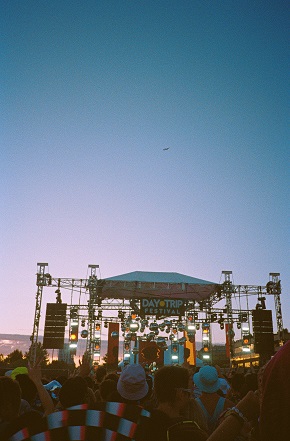
Music festival experiences represent vibrant celebrations that bring together artists and fans for a shared experience centered around live performances. Rooted in cultural heritage, these festivals have evolved significantly since their inception in the 20th century, becoming pivotal in uniting diverse communities through the universal language of music.
Historically, music festivals can trace their lineage back to community gatherings and local celebrations. The 1960s witnessed a surge in their popularity, with iconic events such as Woodstock setting the stage for large-scale festivals. These early gatherings marked a revolutionary period where music became intertwined with social movements and cultural expressions. Today, music festivals continue to thrive, showcasing an eclectic mix of genres, from rock and pop to electronic dance music and folk. This evolution highlights the adaptability of music as a form of art that resonates across different audiences.
In contemporary culture, music festivals have grown not only as entertainment venues but also as important social events that foster a sense of belonging. They serve as a gathering point for fans, artists, and creatives alike, emphasizing the communal aspect of enjoying music. Participants can expect to engage with a wide variety of artistic expressions, including visual arts, craft booths, and food offerings that enhance the overall festival experience.
The increase in the number of music festivals across various locations also speaks to their significance in the music industry. Promoters and organizers have recognized that festivals can generate substantial economic impacts while providing platforms for emerging artists. From intimate local gatherings to grand international events, the diversity of these festivals ensures that there is something for everyone, catering to varied musical tastes and cultural backgrounds.
Top Music Festivals Around the World
Music festivals around the globe provide an immersive and exhilarating experience for attendees, often showcasing remarkable performances, diverse musical genres, and vibrant atmospheres. One of the standout events is Coachella, held annually in Indio, California. Known for its eclectic lineup, Coachella features a mix of genres ranging from rock to hip-hop and electronic dance music (EDM). Notable headliners have included iconic artists such as Beyoncé, Radiohead, and Kendrick Lamar, making it a must-visit festival for music enthusiasts.
Across the Atlantic, Glastonbury in Somerset, England, stands as one of the largest and most prestigious music festivals worldwide. Celebrated for its rich history and commitment to showcasing emerging talent alongside established artists, Glastonbury spans various genres including indie, rock, and folk. The festival is not only about music; it’s known for its stunning art installations, community spirit, and sculptural wonders, creating a unique ambiance that enhances the overall experience.
Another noteworthy festival is Tomorrowland in Boom, Belgium, renowned for its spectacular stage designs and high-energy electronic music performances. Tomorrowland attracts top DJs from around the globe, such as Armin van Buuren and David Guetta, who captivate audiences with their electrifying sets. The festival’s enchanting fairy-tale theme immerses participants in a dreamlike atmosphere, with elaborate decorations and stunning fireworks displays.
Moreover, the Montreux Jazz Festival in Switzerland serves as a platform for various genres including jazz, blues, and rock, attracting legends like Nina Simone and Prince over the years. Set against the stunning backdrop of Lake Geneva, it offers an unmatched ambiance and provides a more intimate festival experience. Each of these festivals emphasizes not just the music but also the unique cultural and artistic experiences that attendees can expect to discover, making them worth every penny.
Experiencing the Value: What Makes Them Worth Every Penny
Attending music festivals can often be perceived as a significant financial commitment; however, there are numerous factors that contribute to the overall value of these events, making them worthwhile experiences for many attendees. A primary element is the lineup of artists. Festivals are typically designed to showcase a diverse array of performances, featuring both established headliners and emerging talents across various genres. This broad selection allows attendees to discover new favorite artists and genres which enhances the festival experience.
Moreover, music festivals frequently incorporate immersive experiences that extend beyond the music itself. Attendees can explore art installations, interactive exhibits, and engaging workshops, enriching their visit. These artistic elements create a vibrant atmosphere that captivates the senses. Festivals often prioritize the complete sensory experience, including the visual, auditory, and even tactile elements, which can make the cost of admission seem more justified.
The festival atmosphere plays a pivotal role in shaping the overall experience. The combination of enthusiastic crowds, dynamic performances, and a shared appreciation for music fosters a sense of community among festival-goers. This camaraderie fosters positive interactions and provides unforgettable memories, aspects that many attendees describe in their testimonials, emphasizing how these communal moments resonate long after the music has faded.
Feedback from participants often underscores the satisfaction derived from engaging fully in the festival experience. Testimonials reveal that for many, the joy and fulfillment gained from attending a festival transcend the monetary cost. Ultimately, the unique combination of artist lineups, immersive experiences, vibrant atmosphere, and shared community all contribute to a value that is often regarded as worth every penny.
Tips for Attending Music Festivals on a Budget
Attending music festival experiences can be a life-changing experience, but the costs can add up quickly. However, with careful planning and budgeting, festival-goers can enjoy the event without straining their finances. One effective strategy is to purchase festival tickets early. Many festivals offer early bird discounts that can provide significant savings. Additionally, staying informed about ticket sale dates can help secure the best prices before they sell out.
Another crucial aspect of attending music festival experiences on a budget is choosing accommodations wisely. Many festivals offer camping as an option, which is typically less expensive than hotel stays. Camping can also enhance the communal experience, allowing festival-goers to connect with fellow attendees. If camping is not preferable, consider booking lodging further away from the venue to find more affordable options. Additionally, consider sharing accommodations with friends to split costs effectively.
Food and drinks can also become a substantial expense at festivals. To mitigate this, festival-goers should plan ahead by bringing their own snacks and reusable water bottles. Many festivals allow attendees to carry sealed snacks and refillable containers, which can help cut down on food costs. When purchasing food on-site, familiarize yourself with the available vendors beforehand, and set a daily food budget to manage spending.
Lastly, implementing strategies for music festival experiences survival can prevent unintentional overspending. Create a detailed schedule to evaluate which performances matter most, allowing for rest periods to recharge both physically and financially. Additionally, setting a daily limit on spending for merchandise, food, and drinks will ensure that you stick to your budget. By combining these strategies, festival-goers can enjoy the vibrant experiences that music festivals offer without compromising their financial stability.