
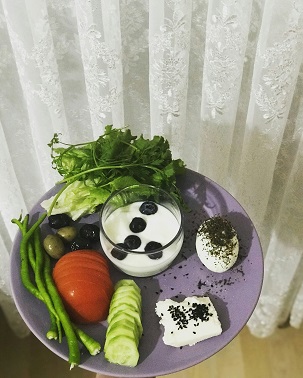
Healthy aging is a multifaceted concept that transcends the mere absence of disease or disability. It encompasses a holistic approach to well-being that integrates physical, mental, and emotional health as individuals progress through their later years. As people age, it is vital to recognize that the aging process is not uniform; factors such as genetics, lifestyle choices, and environmental influences play significant roles in determining the quality of one’s later life.
At its core, healthy aging promotes vitality and functional independence rather than simply extending lifespan. This can be achieved by embracing healthy lifestyle choices that prioritize nutrition, physical activity, social connections, and mental engagement. Numerous studies highlight that a balanced diet rich in antioxidants, vitamins, and minerals can significantly contribute to maintaining health during the aging process. Foods like fruits, vegetables, whole grains, and lean proteins provide the necessary nourishment that can stave off age-related ailments and promote longevity.
Moreover, misconceptions about aging often lead to a defeatist attitude, where individuals may resign themselves to the notion that physical decline is inevitable. On the contrary, evidence suggests that proactive health measures such as regular exercise and a nutritious diet—can help mitigate these declines. For instance, integrating omega-3 fatty acids into one’s diet has been linked to improved cognitive function and reduced inflammation, proving that dietary choices can have a profound impact on aging. It is essential to acknowledge that the journey of aging can be viewed as an opportunity for growth and enrichment. By challenging common stereotypes and misconceptions about aging, individuals can foster a more positive perspective, enhancing not only their own lives but also influencing those around them.
Key Nutrients for Longevity
Healthy aging is profoundly supported by essential nutrients that play crucial roles in maintaining optimal bodily functions and promoting longevity. Key nutrients such as antioxidants, vitamins, minerals, omega-3 fatty acids, and dietary fiber have been identified as fundamental contributors to overall health.
Antioxidants are vital for combating oxidative stress, which is a contributor to aging and has the potential to lead to various age-related diseases. These nutrients work to neutralize free radicals in the body, protecting cells from damage. A rich source of antioxidants includes vibrant fruits and vegetables such as berries, spinach, and nuts. Incorporating these foods into the diet not only provides essential antioxidants but also promotes a colorful and diverse meal plan.
Vitamins, particularly A, C, D, and E, play significant roles in supporting the immune system and maintaining skin health. Vitamin D is particularly noteworthy as it aids in calcium absorption, promoting bone health. Food sources such as fatty fish, fortified dairy products, and leafy greens contribute to these essential vitamin levels.
Minerals such as calcium and magnesium are crucial for maintaining bone density and overall metabolic health. Consuming dairy products, leafy greens, and legumes can help ensure adequate intake of these vital minerals.
Moreover, omega-3 fatty acids are known for their anti-inflammatory properties and are linked to a lower risk of heart disease, which is particularly important as one ages. Sources of omega-3s include oily fish like salmon, flaxseeds, and walnuts, all of which can be easily integrated into various diets.
Lastly, dietary fiber plays a key role in digestive health. High-fiber foods such as whole grains, beans, and fruits can help regulate digestion, control weight, and support cardiovascular health, all of which are critical for aging individuals.
Foods That Promote Healthy Aging
Healthy aging is profoundly influenced by the food we consume. Certain foods possess properties that not only enhance health but also promote longevity. Below, we explore various categories of foods that are beneficial in supporting healthy aging.
Fruits: Fruits are rich in vitamins, minerals, and antioxidants, which contribute to cellular health. For instance, berries such as blueberries and strawberries are high in antioxidants that combat oxidative stress and inflammation. Citrus fruits, including oranges and grapefruits, are excellent sources of vitamin C, essential for maintaining a healthy immune system and skin vitality.
Vegetables: Leafy greens like spinach, kale, and collard greens are packed with nutrients such as vitamins K, C, and A, all of which are vital for maintaining bone health and preventing chronic diseases. Cruciferous vegetables, including broccoli and Brussels sprouts, have been shown to support detoxification processes in the body, promoting longevity.
Whole Grains: Whole grains, such as quinoa, brown rice, and whole wheat, provide essential fiber, which benefits digestive health and helps maintain stable blood sugar levels. The fiber content in these grains also aids in reducing the risk of heart disease and improves heart health, an essential aspect of healthy aging.
Lean Proteins: Sources of lean protein, including chicken, turkey, and fish, provide amino acids necessary for muscle maintenance. Fish, especially fatty types like salmon and mackerel, are rich in omega-3 fatty acids, which support brain health and combat age-related cognitive decline.
Healthy Fats: Incorporating healthy fats from sources such as avocados, olive oil, and nuts is crucial for maintaining cellular health. These fats are known to support cardiovascular function and enhance nutrient absorption. Additionally, nuts like walnuts and almonds provide antioxidants as well.
Fermented Foods: Fermented foods, including yogurt and kefir, are beneficial for gut health. They contain probiotics that help ensure a balanced gut microbiome, which plays a significant role in overall health and well-being, instrumental for aging effectively.
Creating a Longevity-Focused Diet
Creating a diet that supports healthy aging and longevity requires a thoughtful approach to meal planning and food selection. To begin, it is essential to incorporate a variety of nutrient-dense foods that promote overall well-being. Focus on including ample servings of fruits and vegetables, particularly those rich in antioxidants, vitamins, and minerals. Leafy greens, berries, and cruciferous vegetables such as broccoli and Brussels sprouts are excellent choices that can help combat oxidative stress and inflammation.
Additionally, whole grains such as quinoa, brown rice, and oats should be prioritized for their role in providing essential nutrients and fiber, which is crucial for gut health. Healthy fats found in sources like avocados, nuts, and olive oil should also be included, as they contribute to heart health and may aid in cognitive function. Incorporating lean proteins such as fish, legumes, and poultry can help maintain muscle mass, which is especially important as individuals age.
Meal planning can be enhanced by organizing weekly menus that reflect a balance of macronutrients and a variety of food groups. Consider preparing meals in bulk or using batch cooking to save time while ensuring that there are always healthy options available. When cooking, employing methods such as steaming, grilling, or baking can help preserve the nutrient content of foods, allowing for a more wholesome diet.
Moderation is key; enjoying treats occasionally can prevent feelings of deprivation, which may contribute to unhealthy eating habits. In addition to food choices, maintaining proper hydration cannot be overlooked. Drinking adequate water and herbal teas supports metabolic processes and overall health. Furthermore, integrating regular physical activity and effective stress management will complement dietary efforts, fostering a comprehensive approach to healthy aging. By adopting these practices, individuals can create a sustainable longevity-focused diet that ensures both health and vitality.