

When a medical emergency happens, every second matters. Quick access to professional care can make a major difference in outcomes. A 24 hour emergency hospital provides round the clock medical support for urgent and life threatening conditions. These hospitals are designed to handle emergencies at any time of the day or night. They offer immediate care without long waiting times. Understanding how these facilities work helps people make informed decisions during critical moments. This knowledge can help reduce panic and ensure faster action when it is needed most.
Understanding the Role of a 24 Hour Emergency Hospital
What Makes 24/7 Emergency Care Different
A 24 hour emergency hospital operates continuously to provide care for urgent medical situations. Unlike regular clinics, these facilities are fully equipped to handle severe and complex conditions. They have trained emergency staff available at all times. This ensures that patients receive immediate attention regardless of the hour. The availability of advanced medical equipment also sets them apart. These hospitals focus on rapid diagnosis and treatment to stabilize patients quickly.
Why Immediate Medical Access Matters
Immediate access to medical care can prevent complications and improve recovery chances. Delays in treatment can lead to worsening conditions. Emergency hospitals reduce this risk by offering quick medical response. Patients do not need to wait for scheduled appointments. This makes them essential for handling unexpected health issues. Fast care also helps in reducing stress for both patients and their families.
When Should You Visit a 24 Hour Emergency Hospital
Critical Symptoms That Need Immediate Attention
Certain symptoms should never be ignored. These signs indicate that urgent medical care is required.
- Severe chest pain or pressure
- Difficulty breathing or shortness of breath
- Sudden weakness or numbness
- Uncontrolled bleeding
- Loss of consciousness
- Severe head injuries
Recognizing these symptoms early can save valuable time. Immediate action ensures better treatment outcomes. Emergency hospitals are prepared to handle such situations without delay.
Conditions That Cannot Wait
Some medical conditions require instant attention and cannot be postponed. These include serious infections, fractures, and internal injuries. Ignoring these issues can lead to complications. Emergency hospitals are equipped to diagnose and treat these conditions quickly.
- Acute abdominal pain
- High fever with severe symptoms
- Sudden vision problems
- Severe allergic reactions
Prompt care helps in stabilizing the patient and preventing further risks.
Services Offered at a 24 Hour Emergency Hospital
Advanced Emergency Treatments
Emergency hospitals provide a wide range of treatments for critical conditions. They are designed to manage both minor and major emergencies efficiently. The medical team works quickly to assess and treat patients.
- Immediate wound care and injury management
- Cardiac monitoring and emergency heart care
- Respiratory support and oxygen therapy
- Emergency surgical procedures
These services ensure that patients receive the care they need without delay. The goal is to stabilize and treat conditions as quickly as possible.
Diagnostic and Testing Services
Accurate diagnosis is essential in emergency situations. Hospitals provide advanced testing facilities to identify the problem quickly.
- Imaging services such as X rays and CT scans
- Blood tests and laboratory analysis
- Rapid diagnostic screenings
- Monitoring vital signs continuously
These diagnostic tools help doctors make informed decisions. Fast results lead to quicker treatment and better outcomes.
Specialized Emergency Services You Should Know
Trauma Emergency Room Care
A trauma emergency room focuses on treating severe injuries and life threatening conditions. These units are equipped with specialized tools and trained professionals. Trauma care involves rapid assessment and immediate intervention. Patients with serious injuries receive priority treatment. The goal is to stabilize the patient and prevent further complications.
Pediatric Emergency Clinic Support
Children require specialized care during emergencies. A pediatric emergency clinic is designed to handle medical issues specific to children. These facilities provide a safe and supportive environment for young patients. Doctors are trained to address pediatric emergencies effectively. This ensures that children receive proper care tailored to their needs.
How to Choose the Right Emergency Hospital
Key Factors to Consider
Choosing the right emergency hospital is important for effective treatment. Several factors should be considered before making a decision.
- Availability of 24/7 services
- Qualified medical staff and specialists
- Advanced medical equipment
- Clean and well maintained facility
These factors help ensure that patients receive high quality care during emergencies.
Importance of Location and Response Time
Location plays a critical role in emergency situations. A nearby hospital can reduce travel time and improve response speed. Quick access to medical care can make a significant difference. It is important to know the nearest emergency facility in advance. Planning ahead can help avoid delays during urgent situations.
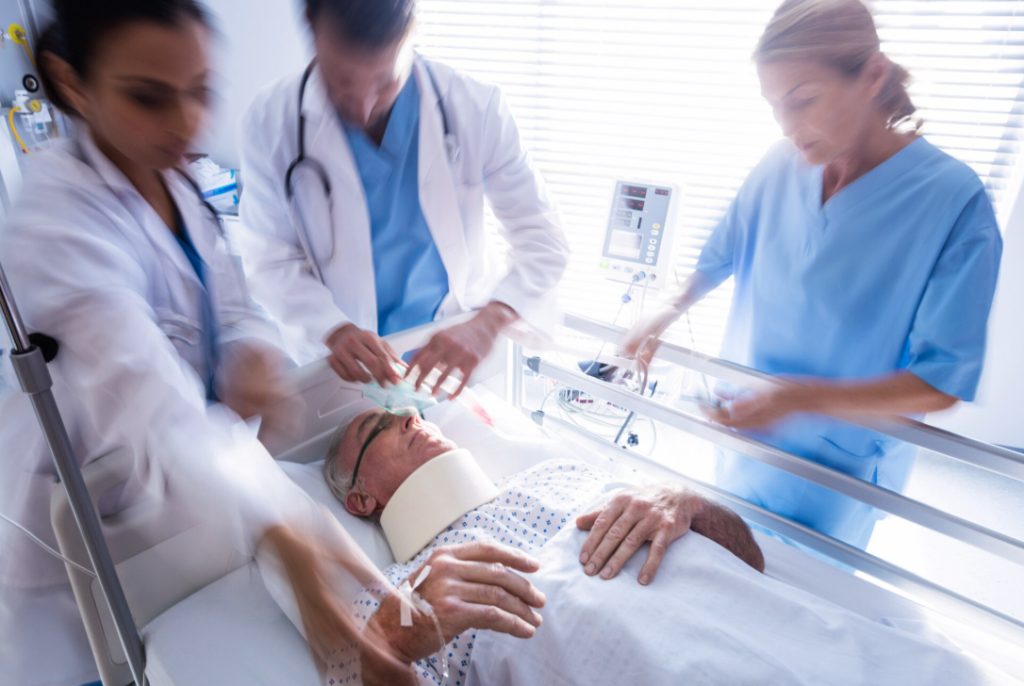
Benefits of 24/7 Emergency Care
Faster Treatment and Better Outcomes
Round the clock emergency care ensures that patients receive immediate attention. This reduces waiting time and speeds up treatment. Faster care leads to better recovery outcomes. Emergency hospitals are designed to handle critical cases efficiently.
- Immediate medical attention
- Reduced risk of complications
- Quick diagnosis and treatment
- Continuous monitoring and care
These benefits make emergency hospitals an essential part of healthcare systems.
Peace of Mind for Patients and Families
Knowing that help is available at any time provides reassurance. Patients and families feel more secure when they have access to emergency care. This peace of mind is important during stressful situations. Emergency hospitals offer reliable support when it is needed most.
If you need immediate assistance, you can always contact Life Savers ER for professional emergency care support.
Conclusion
A 24 hour emergency hospital plays a vital role in providing immediate medical care. These facilities are equipped to handle a wide range of emergencies at any time. Understanding when to visit and what services are available can help people act quickly. Quick decisions can improve outcomes and reduce risks. Emergency hospitals offer reliable and efficient care for critical situations. Being prepared and informed ensures that the right steps are taken when every second counts.
FAQs
1. What is a 24 hour emergency hospital
A 24 hour emergency hospital is a medical facility that provides round the clock care for urgent and life threatening conditions.
2. When should I go to an emergency hospital
You should visit when experiencing severe symptoms such as chest pain, difficulty breathing, or serious injuries.
3. Do emergency hospitals provide diagnostic tests
Yes, they offer various diagnostic services including imaging, blood tests, and rapid screenings.
4. What is the difference between urgent care and emergency care
Urgent care handles minor conditions while emergency hospitals treat serious and life threatening situations.
5. Are pediatric emergencies handled differently
Yes, pediatric emergency clinics provide specialized care tailored to children’s medical needs.