
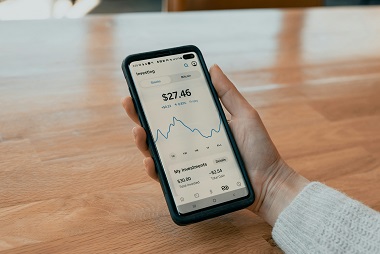
In today’s fast-paced financial landscape, best budgeting apps have emerged as vital tools for effective personal finance management. These applications serve a fundamental purpose: to assist individuals in tracking their spending habits, setting financial goals, and crafting budgets that contribute to long-term financial stability. With the increasing complexity of financial products and services, the role of technology in managing one’s finances is now more significant than ever. The development of budgeting apps stems from the need for accessibility and convenience in financial management. Traditionally, individuals would often rely on pen and paper to track their expenses or utilize spreadsheets, but these methods can be time-consuming and cumbersome. Budgeting apps simplify money management by automating calculations, providing visual representations of spending trends, and allowing users to categorize their expenses effortlessly. As a result, they not only foster greater financial awareness but also empower users to make informed decisions regarding their finances.
The importance of these tools extends beyond mere tracking of expenses; budgeting apps encourage users to set achievable financial goals. Users can easily designate funds for savings, investments, or specific purchases, allowing them to visualize their financial aspirations. This structured approach enables individuals to prioritize their spending and align it with their financial objectives, ultimately fostering a proactive financial mindset.
Moreover, the rise of smartphones and mobile technology has played a crucial role in elevating the popularity of budgeting apps. As more people turn to these digital solutions, it is evident that budgeting apps have become indispensable allies in the journey towards effective financial management. By leveraging the convenience and resources provided by these applications, users can take control of their finances, paving the way toward a more sustainable financial future.
Top Budgeting Apps Reviewed
In the modern financial landscape, a variety of budgeting apps exist to assist individuals in managing their money effectively. After analyzing multiple options, we present a review of some of the top budgeting apps that have gained popularity among users.
Mint is one of the most recognized budgeting applications. It offers a user-friendly interface that aggregates all financial accounts in one place, making it easier for users to track their expenses and budgets. Its main features include bill tracking, customized budget creation, and free credit score monitoring. The app’s strength lies in its ability to categorize spending automatically, although some users have reported occasional inaccuracies in categorization, which may require manual adjustments.
You Need a Budget (YNAB) stands out for its proactive approach to budgeting. YNAB encourages users to assign every dollar a job, thus facilitating mindful spending and savings. The app provides educational resources that help users understand budgeting principles, making it particularly beneficial for those seeking to gain control over their financial habits. Its subscription-based model might be seen as a drawback as it imposes an annual fee, but many users find value in the long-term savings it promotes.
PocketGuard simplifies budgeting by focusing on how much spendable money remains after bills and necessities are accounted for. This can be particularly useful for individuals who want to avoid overspending while still enjoying their discretionary funds. PocketGuard’s interface is straightforward, which appeals to many users; however, its limited features compared to Mint and YNAB may not satisfy those seeking more comprehensive budgeting options.
Other notable apps, such as GoodBudget and EveryDollar, also offer unique features tailored to different personal finance management styles. The key to selecting the best budgeting app lies in understanding each app’s strengths and weaknesses in relation to your financial management needs.
Comparing Free vs. Paid Budgeting Apps
Budgeting applications play a pivotal role in financial management, allowing users to track their expenses, set goals, and make informed decisions about their money. When choosing a budgeting app, users often face the dilemma of selecting between free and paid versions. Understanding the key differences between these options is crucial for effective financial management.
Free budgeting apps typically offer basic features that allow users to input expenses and visualize their spending patterns. Popular choices in this category include apps like Mint and EveryDollar, which provide essential services at no cost. However, while these apps can be sufficient for users with simple financial needs, they might lack advanced functionalities such as real-time bank reconciliations, customizable reports, or extensive support resources.
On the other hand, paid budgeting apps, such as You Need a Budget (YNAB) and Personal Capital, often come with a monthly or annual subscription fee. These premium applications usually include more comprehensive features designed for users seeking in-depth analysis and control over their finances. For instance, many paid apps offer financial coaching, investment tracking, and advanced goal-setting tools, which can significantly enhance the user’s ability to manage their finances effectively.
User experiences vary widely between free and paid apps. While some users may find satisfactory levels of functionality and support from free apps, many report a noticeable improvement in financial awareness and management after investing in a premium app. The additional features, paired with dedicated customer service, can lead to more refined spending habits and ultimately contribute to financial goals.
The choice between free and paid budgeting apps largely depends on individual financial goals and preferences. Those looking for basic expense tracking may find free versions adequate, while users aiming for comprehensive financial management may discover that the benefits of a paid app justify the expense.
Tips for Choosing the Right Budgeting App
Selecting the appropriate budgeting app is essential to effectively managing your finances. With a variety of options available, it is important to consider a few key factors to ensure that the chosen app meets your unique needs.
First and foremost, evaluate the app’s ease of use. A user-friendly interface can significantly enhance your experience and encourage regular use. Look for apps that offer an intuitive layout and clear navigation. Many apps provide a trial period or demo version; take advantage of these offers to assess whether the app seamlessly fits into your routine.
Compatibility with your financial institutions is another crucial consideration. Ensure that the budgeting app you select can sync with your bank accounts and credit cards. This feature is important for real-time tracking of your transactions and expenditures, allowing for greater accuracy in your budgeting efforts.
The array of features offered by budgeting apps varies widely. Identify what features are most relevant to your personal finance goals. For instance, some apps allow for customizable categories, while others may offer analytics or forecasting tools. Selecting an app that aligns with your individual spending habits can enhance the effectiveness of your budgeting strategy.
Customer support is an often-overlooked aspect when choosing a budgeting app. Research the support options available, including live chat, email assistance, or a comprehensive help center. Reliable customer support can be invaluable, particularly when you encounter technical issues or have questions about app functionality.
In conclusion, by considering ease of use, compatibility, relevant features, and customer support, you will be better equipped to select the budgeting app that can positively impact your personal finance management. A thoughtful approach to this decision can empower you to develop a sustainable budgeting practice that meets your financial objectives.