
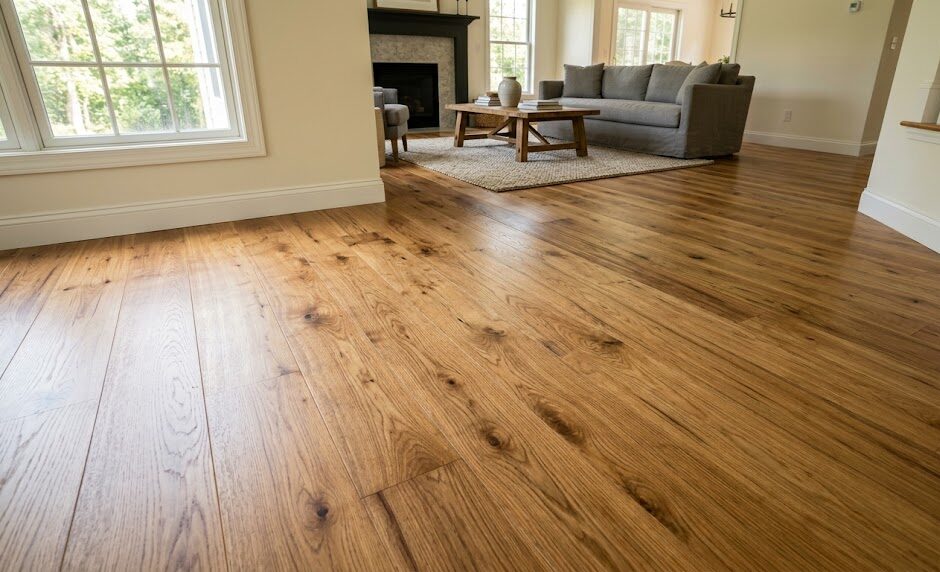
Hardwood floors have long held a special place in the hearts of homeowners and designers alike. Their timeless elegance and durability make them a sought-after choice for any space, whether it’s a cozy cabin or an upscale apartment. As trends come and go, hardwood remains a steadfast favorite, effortlessly blending with various styles—from rustic to modern. But what is it about hardwood that keeps it at the forefront of flooring options? Is it just the aesthetic appeal, or do other factors play into its unwavering popularity? Let’s dive into the history, benefits, and unique qualities that make hardwood floors the top choice for so many people today. Whether you’re renovating your home or simply exploring design ideas, understanding these elements will help you appreciate why this classic material continues to shine bright in interior design.
The history of hardwood floors and their evolution
Hardwood floors have a rich history that dates back centuries. Originally, they were crafted from local timber and used primarily in castles and manors across Europe. Their appeal stemmed from both functionality and aesthetics. As time progressed, hardwood became synonymous with wealth and status. The use of intricate patterns, like herringbone or chevron designs, emerged during the Renaissance period. This transformation highlighted not only craftsmanship but also artistic expression. In the 19th century, industrialization brought about new techniques for milling wood more efficiently. This allowed hardwood flooring to become more accessible to the middle class while maintaining its luxurious feel. Today’s advancements in technology have led to engineered hardwood options that offer durability alongside natural beauty. As tastes evolve, so does the way we incorporate wood into our living spaces—showcasing a blend of tradition and modern innovation.
Benefits of hardwood floors
Hardwood floors bring warmth and elegance to any space. Their natural beauty enhances the aesthetic appeal of both traditional and modern interiors. Durability is a standout feature. When maintained properly, hardwood can last for decades, making it a wise investment for homeowners. They are also easy to clean. A simple sweep or vacuum followed by occasional mopping keeps them looking pristine without excessive effort. Wood floors improve indoor air quality too. Unlike carpets that trap dust and allergens, hardwood doesn’t harbor these pollutants, promoting better health for your family. Moreover, they offer excellent resale value. Many buyers prefer properties with hardwood flooring due to its timeless charm and low maintenance needs. The versatility in design options allows you to create unique looks tailored to your personal style while enjoying all the inherent benefits of wood.
Different types of wood used for flooring
When it comes to hardwood floors, variety is key. Different types of wood offer distinct aesthetics and performance characteristics. Oak is a classic choice, known for its durability and beautiful grain patterns. Both red and white oak have unique hues that can complement various interior designs. Maple provides a lighter appearance with a smooth texture, making spaces feel larger and more open. It’s also highly resistant to scratches.
Hickory stands out for its rustic charm and striking contrasts in color. Its strength makes it ideal for high-traffic areas. Cherry brings warmth with rich tones that deepen over time, adding character to your home. Walnut offers elegance with dark colors while maintaining resilience against wear. Each type of wood contributes something unique to the overall appeal of hardwood flooring—perfect for those looking to enhance their living space.
Maintenance and care for hardwood floors
Maintaining hardwood floors is essential for their longevity and beauty. Regular sweeping or vacuuming will help remove dirt and debris that can scratch the surface. For deeper cleaning, use a damp mop with a gentle cleaner specifically made for wood. Avoid excessive water; it can seep into the seams and cause damage. Protect your floors from scratches by placing felt pads under furniture legs. Rugs in high-traffic areas also provide an extra layer of defense against wear. Direct sunlight can fade finishes over time, so consider using window treatments to block harsh rays during peak hours. Additionally, humidity levels play a significant role in maintaining your hardwood flooring’s integrity. A humidifier in winter months helps prevent cracking or warping due to dry air. With these simple practices, you can keep your hardwood floors looking stunning for years to come.
Cost comparison with other flooring options
When considering flooring options, cost is often a primary concern. Hardwood floors can be on the higher end of the spectrum compared to other materials like laminate or vinyl. However, this initial investment tends to pay off in durability and longevity. Laminate flooring might seem appealing with its lower upfront cost. Yet, it lacks the lifespan and resale value that hardwood offers. Homebuyers typically prefer genuine wood for its aesthetic charm and classic appeal. Tile and carpet are alternatives worth mentioning too. While they may initially be cheaper than hardwood, their maintenance costs can add up over time. Hardwood’s ability to withstand wear and tear makes it a wise long-term choice despite the initial price tag. Plus, refinishing hardwood every few years can restore its original beauty without needing a complete replacement.
Sustainability and environmental impact
Hardwood floors are often lauded for their sustainability. Sourced from renewable forests, they can be a responsible choice when harvested sustainably. Many manufacturers prioritize eco-friendly practices. They select wood from certified sources that adhere to strict environmental standards. This ensures that the trees being cut down are replaced through reforestation efforts. Additionally, hardwood flooring has a long lifespan compared to synthetic options. With proper care, it can last for generations, reducing waste and the need for frequent replacements. Unlike many artificial materials, hardwood is biodegradable. At the end of its life cycle, it won’t contribute to landfill overflow like vinyl or laminate counterparts might. Moreover, hardwood floors improve indoor air quality by not emitting harmful VOCs (volatile organic compounds). Choosing natural materials supports healthier living spaces while minimizing your carbon footprint on Earth.
Conclusion:
Hardwood floors have stood the test of time, remaining a top choice among homeowners and designers alike. Their lasting popularity can be attributed to their beauty, versatility, and inherent warmth. As we’ve seen throughout history, hardwood has adapted with trends while maintaining its core appeal. The numerous benefits of hardwood floors cannot be overlooked. They offer durability that few other materials can match and enhance the aesthetic value of any space. With various wood types available, it’s easy to find an option that aligns with your style preferences. Taking care of hardwood is straightforward too; regular maintenance ensures they last for generations without losing their charm. When compared to alternative flooring options, hardwood often proves to be a worthy investment despite higher initial costs due to its longevity and timeless nature. Moreover, as sustainability becomes increasingly vital in our choices today, many manufacturers are adopting environmentally friendly practices when sourcing timber for flooring products. Choosing hardwood floors is more than just making a design decision; it’s about investing in quality and sustainability while enjoying the classic elegance they bring into homes. Whether you’re renovating or building from scratch, consider how this beautiful material could transform your living spaces into something truly special.