
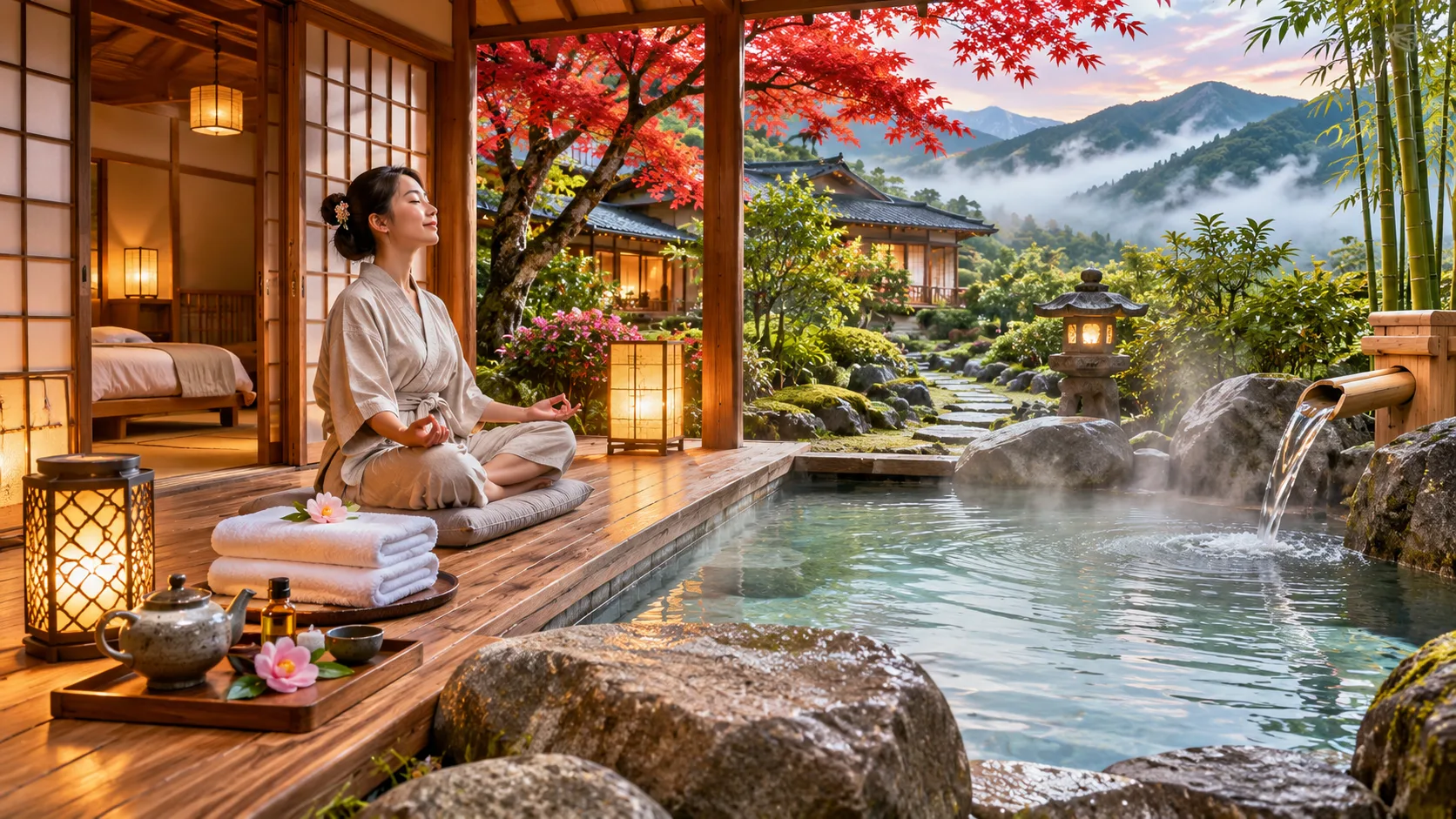
Japan is a wonderful destination for travelers who want to escape busy routines and experience relaxation in peaceful surroundings. Its natural hot springs, beautiful forests, traditional accommodations, and thoughtful hospitality create an inviting environment for wellness holidays. From secluded mountain resorts to elegant urban spas, Japan provides different ways to enjoy a restful and memorable travel experience.
Luxury wellness retreats in Japan combine traditional practices with modern comfort and personalized services. Visitors can experience onsen bathing, Japanese massage, forest bathing, yoga, meditation, and carefully prepared seasonal meals. Whether you prefer a peaceful countryside sanctuary or a luxury wellness hotel in Kyoto, Japan has exceptional destinations worth exploring.
Why Choose Japan for a Luxury Wellness Retreat?
Japan combines centuries-old bathing traditions with beautiful natural landscapes and contemporary hospitality. Travelers can relax in mountain hot springs, explore quiet forests, or enjoy spa treatments in sophisticated hotels. Many properties emphasize simplicity, privacy, and attention to detail. These qualities create an atmosphere that encourages guests to slow down and appreciate everyday experiences.
Traditional Japanese wellness practices often focus on relaxation, mindful movement, and spending time in nature. Onsen bathing, forest walking, and seasonal dining are common features of wellness-focused holidays. Some resorts also provide yoga, meditation, and personalized spa treatments. These experiences allow travelers to explore different activities while enjoying the surrounding environment.
Another advantage is the country’s variety of wellness destinations. Kyoto provides cultural surroundings and refined spa hotels, while Hakone and Beppu are known for their hot springs. Mountain regions provide opportunities for forest retreats and peaceful outdoor experiences. Choosing the right location depends on personal interests, travel preferences, and the desired level of activity.
Amanemu Ise-Shima: Luxury Onsen Wellness
Amanemu is a luxury wellness resort located in Ise-Shima, overlooking the beautiful surroundings of Ago Bay. The property combines contemporary Japanese design with traditional hot spring bathing experiences. Its spacious accommodation and peaceful natural setting create an inviting environment for relaxation. Guests can enjoy privacy while exploring the region’s distinctive landscapes.
The resort features an extensive spa centered around mineral-rich onsen waters. Wellness experiences include thermal bathing, massage treatments, yoga, and personalized spa activities. Private bathing facilities provide additional comfort for guests seeking a quieter experience. Traditional Japanese ingredients and nature-inspired treatments contribute to the resort’s distinctive wellness approach.
Amanemu also provides opportunities to explore forest bathing and carefully organized wellness retreats. Guests can combine guided activities with peaceful walks and time overlooking the surrounding landscape. Its combination of luxury accommodation and established bathing traditions makes it an appealing choice. Travelers seeking a dedicated onsen wellness experience may particularly appreciate this property.
Six Senses Kyoto: Modern Wellness and Japanese Traditions
Six Senses Kyoto is a luxury wellness hotel located in the historic Higashiyama district. The property combines modern wellness facilities with inspiration drawn from Japanese culture and traditional design. Its peaceful interiors and carefully planned spaces create a comfortable environment for relaxation. Guests can also explore Kyoto’s famous cultural attractions during their stay.
The hotel’s spa provides a variety of wellness experiences, including massage, yoga, and personalized treatments. Facilities include an indoor swimming pool, relaxation areas, and specialized wellness spaces. Some experiences combine modern wellness concepts with traditional Japanese influences. Visitors can choose individual treatments or explore organized retreat activities when available.
Six Senses Kyoto is particularly suitable for travelers who want wellness experiences without leaving the city. Guests can enjoy spa appointments before exploring nearby temples, gardens, and historic neighborhoods. The hotel’s seasonal dining approach also reflects Japan’s appreciation for local ingredients. This combination creates an interesting balance between cultural travel and relaxation.
Aman Kyoto: Forest Retreat and Peaceful Spa Experiences
Aman Kyoto is a secluded luxury resort situated within beautiful wooded surroundings in northern Kyoto. The property emphasizes peaceful architecture, natural materials, and a close connection with the landscape. Its accommodation provides comfortable spaces for travelers seeking privacy. The surrounding gardens create opportunities to slow down and enjoy quiet moments.
The resort’s wellness facilities include indoor and outdoor onsen bathing areas and private treatment rooms. Guests can experience Japanese-inspired spa treatments using selected local ingredients. Yoga, meditation, and forest bathing activities may also be available. These experiences complement the property’s peaceful atmosphere and encourage a comfortable pace throughout the stay.
Aman Kyoto appeals to travelers who prefer understated luxury and natural surroundings. Its location provides a quiet alternative to more active city-center hotels. Guests can combine relaxation with visits to cultural attractions when desired. The resort’s emphasis on simplicity and thoughtful hospitality makes it a distinctive Japanese wellness destination.
Gora Kadan Hakone: Traditional Ryokan Luxury
Gora Kadan is a luxury ryokan located in Hakone, a region famous for its natural hot springs. The property combines traditional Japanese hospitality with contemporary accommodation and spa facilities. Its peaceful gardens and mountain surroundings provide an attractive setting for relaxation. Guests can experience elements of Japanese culture throughout their stay.
Onsen bathing is a central part of the Gora Kadan experience. Depending on their accommodation, guests may have access to private bathing facilities alongside shared hot spring areas. Spa treatments provide additional opportunities for relaxation. Traditional room design and attentive hospitality contribute to the overall atmosphere of comfort.
The ryokan also emphasizes Japanese dining traditions through carefully prepared seasonal meals. Guests can enjoy a slower travel experience that includes bathing, dining, and appreciating the surrounding landscape. Hakone’s natural attractions provide opportunities for additional exploration. This combination makes Gora Kadan suitable for travelers interested in traditional luxury wellness holidays.
HOSHINOYA Karuizawa: Nature-Inspired Luxury Retreat
HOSHINOYA Karuizawa is a luxury resort surrounded by forested landscapes and flowing water in Nagano Prefecture. Its accommodation is designed to connect visitors with the natural environment while maintaining comfort and privacy. The peaceful surroundings create an inviting atmosphere for rest. Guests can enjoy a retreat experience away from crowded urban destinations.
The property provides opportunities for hot spring bathing and nature-focused relaxation. Forest walks, seasonal activities, and quiet spaces encourage guests to appreciate the surrounding environment. The resort’s design emphasizes natural materials and views of the landscape. These features contribute to an experience centered on peaceful surroundings rather than demanding schedules.
Karuizawa is also known for its cooler climate and attractive mountain scenery. Travelers can enjoy outdoor experiences during different seasons while returning to comfortable accommodation. The resort may particularly appeal to visitors seeking a combination of nature, hospitality, and traditional Japanese relaxation. Its peaceful setting provides an alternative to coastal and city wellness destinations.
ANA InterContinental Beppu: Mountain Spa Luxury
ANA InterContinental Beppu Resort & Spa is located in Beppu, one of Japan’s best-known hot spring destinations. The resort combines mountain views with contemporary luxury accommodation and wellness facilities. Its elevated setting provides beautiful views of the surrounding landscape. Guests can experience Beppu’s celebrated bathing culture within a comfortable resort environment.
The property’s wellness facilities include hot spring baths and the HARNN Heritage Spa. Spa treatments draw on traditional Asian wellness influences and contemporary relaxation practices. Guests can explore different massage and body treatment experiences according to availability. The resort’s bathing areas provide additional opportunities to unwind during a relaxing stay.
Beppu also provides an interesting destination for travelers who want to explore Japanese hot spring culture beyond their hotel. Visitors can experience scenic landscapes and discover the region’s geothermal heritage. After sightseeing, the resort provides a peaceful setting for rest. This combination makes Beppu an appealing choice for luxury spa holidays.
Best Places in Japan for Luxury Wellness Holidays
Kyoto is one of Japan’s most attractive destinations for travelers interested in combining wellness with cultural experiences. Luxury hotels and traditional accommodations provide spa treatments, gardens, and peaceful surroundings. Visitors can also explore historic streets and scenic walking routes. The city is particularly suitable for travelers who appreciate architecture, culture, and relaxation.
Hakone is another popular destination because of its natural hot springs and mountain scenery. Many luxury ryokans provide private bathing facilities, traditional dining, and comfortable accommodation. The region also offers views of beautiful landscapes and opportunities for gentle outdoor activities. Its proximity to Tokyo makes it convenient for shorter wellness holidays.
Other attractive destinations include Beppu, Karuizawa, and Ise-Shima. Beppu is famous for geothermal hot springs, while Karuizawa provides forested landscapes and a cooler mountain atmosphere. Ise-Shima offers coastal scenery and secluded luxury resorts. Each destination provides different opportunities for enjoying nature, traditional hospitality, and wellness-focused activities.
What Are Traditional Japanese Wellness Practices?
Traditional Japanese wellness experiences often emphasize bathing, peaceful surroundings, and mindful daily activities. Onsen bathing is particularly important because natural hot springs are widely appreciated throughout Japan. Travelers can experience different bathing environments depending on the region and property. These traditions form an important part of Japanese leisure and hospitality.
Forest bathing, known as shinrin-yoku, involves spending time in a forest environment while paying attention to the surrounding sights, sounds, and sensations. It does not require demanding physical exercise. Visitors may walk slowly, observe nature, and enjoy moments of quiet reflection. This practice can provide an enjoyable break from busy urban environments.
Japanese wellness experiences may also include shiatsu massage, meditation, and seasonal dining traditions. Shiatsu uses carefully applied pressure and other techniques during bodywork sessions. Meditation provides opportunities for quiet attention and relaxation. Although these activities may support personal well-being, they should not be presented as substitutes for necessary medical treatment.
What Is an Onsen and Why Is It Popular?
An onsen is a Japanese hot spring bathing facility that uses naturally heated water meeting specific local definitions and standards. Hot spring bathing has been part of Japanese culture for centuries. Facilities range from traditional public bathhouses to luxurious private bathing areas. Many visitors enjoy the warmth, atmosphere, and opportunity for relaxation.
Onsen experiences vary depending on the region and the mineral composition of the water. Some facilities provide indoor baths, while others feature outdoor pools surrounded by mountains or gardens. Private bathing options are also available at certain luxury accommodations. Travelers can choose an environment that matches their comfort level and personal preferences.
Hot spring bathing requires sensible precautions because very hot water may cause dizziness or overheating. People with certain health conditions should seek appropriate medical advice before using hot baths. Bathing facilities also have specific etiquette requirements that visitors should understand. Respecting these customs helps create a comfortable experience for everyone.
Forest Bathing and Nature-Based Wellness in Japan
Forest bathing is a gentle activity that encourages people to spend time in natural surroundings without rushing. Japan’s mountains, forests, and traditional gardens provide beautiful locations for this experience. Visitors can enjoy quiet walking paths while observing seasonal changes. The emphasis is on appreciating the environment rather than completing a demanding physical challenge.
Some luxury resorts provide guided forest bathing experiences led by trained instructors. These sessions may include slow walking, breathing exercises, and opportunities for quiet reflection. Others simply provide access to peaceful natural areas for independent exploration. Both approaches allow guests to enjoy nature according to their interests and comfort.
Spending time outdoors can be a pleasant part of a balanced wellness holiday. Natural surroundings may support relaxation and provide a welcome change from indoor routines. However, forest bathing should not be promoted as a cure for medical or psychological conditions. Its value often comes from enjoyable movement, fresh surroundings, and time away from everyday distractions.
Yoga and Meditation at Japanese Wellness Retreats
Yoga and meditation are available at selected luxury wellness resorts throughout Japan. These activities complement traditional bathing and spa experiences by providing opportunities for movement and quiet reflection. Some properties organize private lessons, while others provide scheduled group sessions. Availability depends on the destination and individual resort.
Yoga sessions may include gentle stretching, balance exercises, and controlled breathing. Beginners can often participate in introductory classes without previous experience. Private instruction can help guests choose comfortable movements and avoid unnecessary strain. Travelers should select activities that match their abilities rather than attempting demanding positions.
Meditation experiences may involve guided attention, breathing awareness, or quiet sitting. Japan’s gardens and natural landscapes provide attractive surroundings for these activities. Some resorts incorporate elements inspired by Zen traditions into their wellness programs. Visitors can enjoy the experience without expecting meditation to solve every source of stress.
Japanese Spa Treatments and Relaxation Experiences
Luxury spa resorts in Japan provide treatments inspired by both local traditions and international wellness practices. Common options include massage, facials, body treatments, and relaxation experiences. Certain spas incorporate seasonal ingredients or traditional Japanese skincare approaches. The available services vary according to each property’s facilities and philosophy.
Shiatsu is among the best-known Japanese bodywork techniques. It involves applying pressure using the hands and fingers, sometimes alongside gentle movement. Other treatments may include aromatherapy or contemporary massage techniques. Travelers should review treatment descriptions and practitioner qualifications before selecting specialized services.
Many luxury spas also emphasize the environment surrounding each treatment. Quiet interiors, natural materials, gardens, and carefully designed bathing areas contribute to the overall experience. Guests can often combine individual appointments with personal relaxation time. Choosing suitable treatments can make a wellness holiday enjoyable without requiring an extensive program.
Healthy Japanese Cuisine During a Wellness Retreat
Japanese cuisine is an important part of many luxury wellness experiences. Traditional meals often include seasonal vegetables, rice, fish, tofu, and carefully prepared soups. Different regions provide distinctive ingredients and cooking methods. Guests can enjoy varied flavors while exploring the country’s established dining traditions.
Some luxury ryokans provide kaiseki-style dining, featuring multiple thoughtfully prepared courses. These meals emphasize presentation, seasonal ingredients, and attention to detail. Wellness-focused hotels may also provide menus designed around guest preferences and dietary requirements. Travelers can enjoy local cuisine without following unnecessary dietary restrictions.
Visitors with allergies or specific dietary needs should contact their accommodation before arrival. Traditional dishes sometimes contain ingredients that may not be immediately recognizable. Advance communication helps properties prepare suitable meals when possible. Enjoying satisfying, varied food can become one of the most memorable parts of a Japanese wellness holiday.
Best Time to Visit Japan for a Wellness Retreat
Japan offers different wellness experiences throughout the year because its climate changes considerably between regions. Spring is popular for pleasant weather, flowering trees, and beautiful gardens. Many travelers enjoy outdoor walking and seasonal scenery during this period. However, popular destinations may become crowded around major holiday periods.
Autumn is another attractive season for wellness travel because of its colorful foliage and comfortable temperatures in many areas. Mountain resorts and forest retreats can provide especially beautiful surroundings. Traditional hot spring bathing also becomes appealing as the weather cools. Travelers interested in nature-focused experiences may particularly enjoy this season.
Winter provides opportunities to experience outdoor onsen bathing surrounded by cold air or snowy landscapes. Summer can be enjoyable in cooler mountain destinations such as Karuizawa. The best travel period depends on regional weather and personal preferences. Checking seasonal conditions before booking helps create a more comfortable itinerary.
How to Choose the Best Luxury Wellness Retreat in Japan
Choosing the right wellness retreat begins with deciding what kind of holiday you want. Some travelers prefer a structured program with guided activities, while others simply want luxury accommodation and spa treatments. Traditional ryokans and contemporary wellness hotels provide different experiences. Understanding these differences helps narrow the available choices.
Location is another important consideration because travel times vary between Japanese destinations. Kyoto and Tokyo provide convenient transport connections, while remote mountain properties may require additional planning. Check whether your preferred accommodation provides transport assistance or nearby public transportation. Practical arrangements can influence how relaxing the overall journey feels.
Review the property’s wellness facilities, dining arrangements, accommodation style, and available activities before booking. Some hotels provide extensive spa programs, while others focus primarily on traditional bathing. Check whether private onsen reservations and treatments require additional payment. Comparing these details helps you choose a retreat that matches your expectations.
How Much Do Luxury Wellness Retreats in Japan Cost?
Luxury wellness retreat prices in Japan vary depending on destination, accommodation category, and included experiences. High-end ryokans, private villas, and exclusive wellness resorts generally command premium rates. Seasonal demand can also influence accommodation costs. Travelers should compare complete packages rather than focusing only on advertised nightly prices.
Traditional ryokan stays may include dinner, breakfast, and access to shared bathing facilities. Private onsen reservations, massage treatments, or additional activities may involve separate charges. Contemporary wellness hotels often provide different accommodation and spa packages. Understanding what is included helps travelers plan a realistic budget.
A shorter luxury wellness holiday can still provide an enjoyable experience when activities are selected carefully. Longer stays offer additional opportunities to explore the surrounding region and establish a relaxed routine. However, greater expense does not automatically guarantee better results. Choosing the right atmosphere and services is more important than purchasing the most elaborate package.
Conclusion
Luxury wellness retreats in Japan combine traditional bathing culture, peaceful natural surroundings, and sophisticated hospitality. From the hot springs of Hakone to the forested landscapes of Karuizawa and the cultural beauty of Kyoto, each destination provides a distinctive experience. Travelers can choose between secluded resorts, traditional ryokans, and contemporary wellness hotels.
Properties such as Amanemu, Six Senses Kyoto, Aman Kyoto, Gora Kadan, and HOSHINOYA Karuizawa demonstrate the variety available. Some emphasize onsen bathing and Japanese traditions, while others combine spa experiences with modern wellness programs. Understanding these differences helps visitors select accommodation suited to their personal interests.
A memorable wellness holiday in Japan does not require an intensive schedule or expensive treatments every day. Time spent enjoying nature, traditional meals, comfortable accommodation, and quiet surroundings can be equally meaningful. Careful planning allows travelers to appreciate Japanese wellness culture while creating an enjoyable and relaxing escape.
Frequently Asked Questions
What are the best luxury wellness retreats in Japan?
Popular luxury wellness destinations include Amanemu in Ise-Shima, Six Senses Kyoto, Aman Kyoto, Gora Kadan in Hakone, and HOSHINOYA Karuizawa. Each provides distinctive accommodation, relaxation facilities, and traditional Japanese experiences.
Which city in Japan is best for a wellness retreat?
Kyoto is ideal for combining wellness with cultural experiences, while Hakone is popular for traditional hot spring retreats. Beppu, Karuizawa, and Ise-Shima also provide attractive alternatives for relaxation-focused holidays.
What is a traditional Japanese wellness retreat called?
Many traditional Japanese wellness experiences take place at ryokans, which are Japanese inns. Some feature natural hot spring baths called onsen, seasonal meals, peaceful surroundings, and additional relaxation services.
How long should I stay at a wellness retreat in Japan?
Two or three nights can provide time to enjoy traditional bathing and relaxation activities. Travelers interested in structured wellness programs or exploring surrounding destinations may prefer a longer stay.
Are Japanese wellness retreats suitable for beginners?
Yes, many luxury wellness retreats welcome first-time visitors and provide accessible experiences such as hot spring bathing, gentle yoga, massage, and nature walks. Guests should review facility rules and choose activities suited to their needs.