
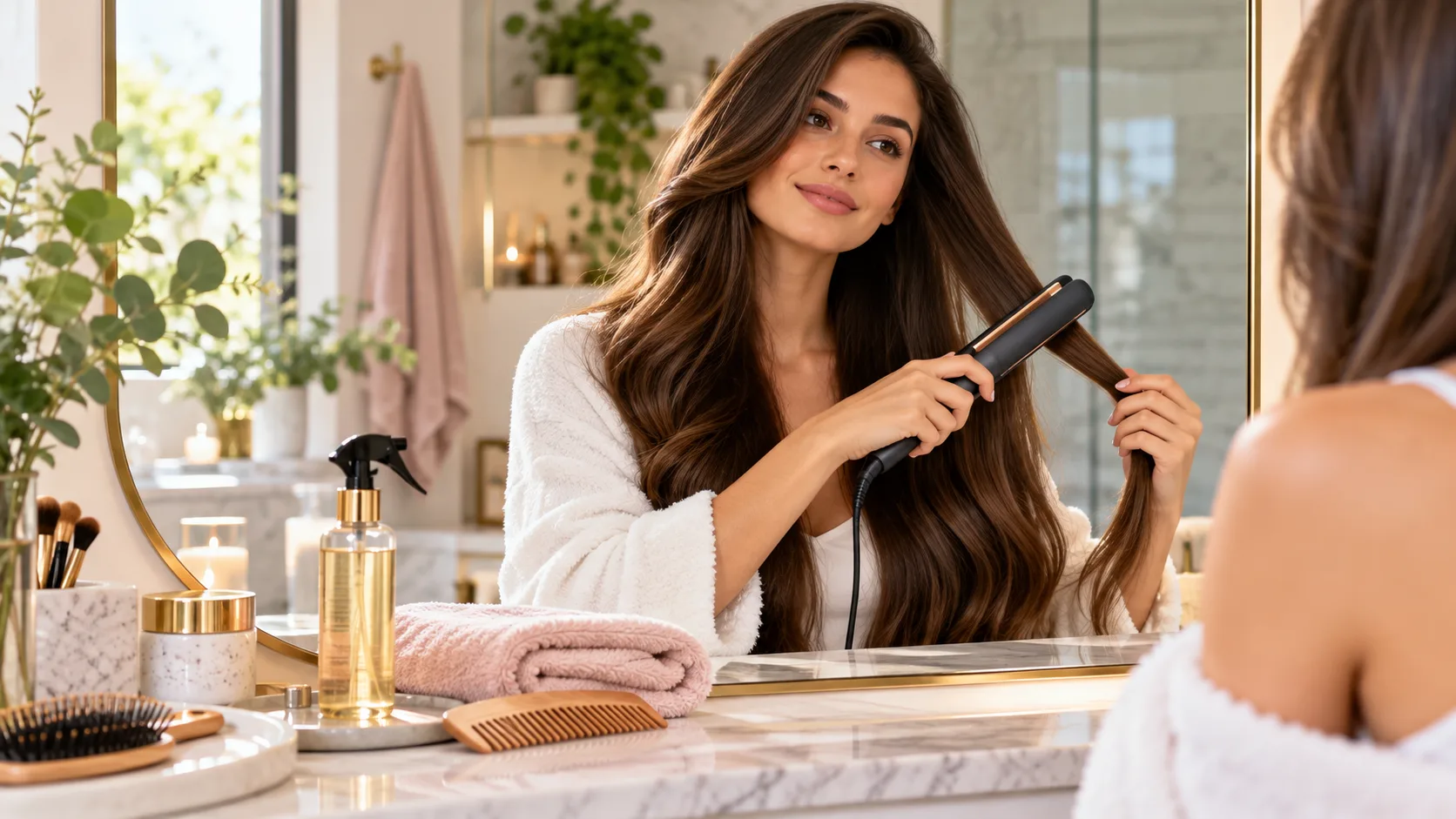
Hair styling is an important part of everyday grooming, allowing people to express their personalities and create different looks. However, frequent brushing, excessive heat, tight hairstyles, and unsuitable styling products can gradually weaken hair strands. When hair becomes fragile, it may break during routine activities such as combing, washing, or using styling tools.
Learning how to prevent hair breakage while styling can help maintain healthier, stronger, and more manageable hair. Simple changes in your hair care routine, including gentle detangling, proper conditioning, and reducing unnecessary tension, can make a meaningful difference. Understanding which styling habits cause damage also helps you choose techniques that suit your hair texture.
Whether you have curly, straight, wavy, or coily hair, preventing breakage requires patience and consistent care. You do not need expensive treatments or complicated routines to protect your strands. This guide explores practical ways to reduce styling damage, maintain moisture, choose suitable hair accessories, and develop healthier habits for everyday hair maintenance.
Understand What Causes Hair Breakage
Hair breakage occurs when a strand becomes damaged or experiences more physical stress than it can tolerate. Common causes include excessive heat, chemical processing, harsh brushing, repeated friction, and hairstyles that pull tightly on the hair. Environmental conditions and inadequate conditioning can also contribute to increased brittleness.
The hair shaft contains a protective outer layer called the cuticle, which helps maintain the strand’s structure. When this protective surface becomes damaged, hair may develop roughness, tangles, or weakened areas. Repeated styling stress can gradually worsen these problems, making strands more likely to snap during ordinary handling.
Preventing breakage begins with identifying which habits place unnecessary pressure on your hair. Some people experience damage from frequent straightening, while others struggle with tight hairstyles or rough detangling. Understanding your individual hair needs makes it easier to choose suitable protective practices without following every popular beauty trend.
Recognize the Signs of Damaged Hair
Recognizing early signs of hair damage can help you adjust your styling routine before further breakage occurs. Common warning signs include split ends, unusual roughness, frequent tangling, and short broken strands. Hair may also become difficult to manage or appear less smooth after repeated styling treatments.
Breakage is different from natural hair shedding because shedding usually involves an entire strand leaving the follicle. Broken hair often appears as shorter pieces that have snapped along the hair shaft. Although some shedding is normal, sudden excessive hair loss or noticeable thinning may require professional evaluation.
Pay attention to changes in how your hair feels during washing, brushing, and styling. If certain products or tools consistently cause discomfort or damage, consider adjusting your routine. A gentle approach and suitable conditioning can help protect existing strands, while persistent scalp or hair concerns may benefit from a dermatologist’s assessment.
Choose the Right Hairbrush and Comb
Using an appropriate brush or comb is one of the simplest ways to reduce hair breakage during styling. Different hair textures respond differently to brushing, so choosing suitable tools matters. A brush that works comfortably for straight hair may not provide the best results for tightly curled or coily strands.
Wide-tooth combs and flexible detangling brushes can be useful for removing knots without excessive pulling. For some hair types, finger detangling provides additional control over stubborn tangles. Look for tools with smooth surfaces that do not repeatedly catch, scrape, or pull individual strands.
Avoid brushing aggressively when encountering resistance because forceful movements can damage fragile hair. Instead, separate the tangled section and work through it carefully. Cleaning your brushes regularly also helps remove accumulated hair and styling residue, supporting better hygiene and smoother everyday use.
Detangle Hair Gently Before Styling
Detangling is an important part of preventing styling-related damage because knots can create friction and tension between strands. Pulling a brush directly through tangled hair may cause unnecessary breakage. Using a gentle technique helps preserve hair condition while making the styling process more comfortable.
Begin near the ends of your hair and gradually move toward the roots as tangles are removed. Working in smaller sections can make difficult areas easier to manage. If necessary, use an appropriate detangling product or conditioner to improve slip and reduce resistance between individual strands.
Some curly and coily hair types are easier to detangle when damp and conditioned, while other hair textures may respond better to careful dry detangling. Wet hair can be vulnerable to stretching and mechanical damage, so avoid unnecessary force. Choose the method that creates the least pulling and discomfort for your hair.
Use Conditioner to Protect Hair Strands
Conditioner plays an important role in reducing friction and improving hair manageability after cleansing. It helps smooth the hair surface and makes strands easier to separate during styling. Regular conditioning can be especially helpful for hair that frequently becomes dry, tangled, or difficult to brush.
Choose a conditioner suited to your hair texture and apply it according to the product instructions. Many people benefit from focusing on the mid-lengths and ends, where hair may experience greater wear. Rinse as directed and avoid assuming that using larger amounts will always produce better results.
Leave-in conditioners may provide additional manageability for certain hair types, particularly when detangling is challenging. However, not everyone needs several conditioning products in the same routine. Focus on how your hair responds and select products that improve comfort without creating excessive buildup.
Apply Heat Protection Before Hot Styling
Heat styling tools can expose hair strands to temperatures that affect their protective structure. Flat irons, curling tools, and blow dryers may contribute to dryness and breakage when used frequently or at excessive temperatures. Reducing unnecessary heat exposure is an important way to maintain healthier hair.
Heat protectant products can help reduce some styling-related damage by forming a protective coating or improving heat distribution. Apply a suitable product according to its instructions before using heated equipment. Remember that heat protection does not eliminate all damage, particularly when tools are used incorrectly.
Choose the lowest effective heat setting for your hair type and styling needs. Avoid repeatedly passing heated tools over the same section. Allowing hair to air-dry partially before suitable blow-drying can also reduce unnecessary exposure to prolonged heat.
Avoid Excessive Use of Hair Straighteners
Hair straighteners can create smooth styles, but frequent high-temperature contact may weaken the hair shaft over time. Repeated straightening can contribute to dryness, roughness, and increased brittleness. These effects may become more noticeable when hair has already experienced chemical processing or previous styling damage.
When using a straightener, follow the manufacturer’s temperature recommendations and avoid applying excessive heat. Hair should be appropriately dry for conventional flat irons unless the equipment is specifically designed for another method. Using unsuitable tools on wet hair can increase the risk of damage.
Consider spacing out intensive straightening sessions and trying styles that work with your natural hair texture. Reducing repeated heat exposure can help preserve existing strands. If hair becomes increasingly fragile, simplifying your styling routine may be more helpful than adding additional intensive treatments.
Blow-Dry Hair Without Causing Damage
Blow-drying is a convenient styling method, but prolonged exposure to hot air can affect hair condition. Holding a dryer too close to the strands or concentrating heat on one area may increase dryness. Using thoughtful techniques can help reduce unnecessary heat stress while maintaining the desired style.
Choose a suitable temperature setting and keep the dryer moving rather than directing hot air continuously at one section. Using a nozzle attachment or diffuser may improve control depending on your hair texture. Follow equipment instructions and avoid overheating the scalp or individual strands.
Allowing hair to dry naturally for part of the process may reduce the amount of heat required. However, avoid aggressive towel rubbing or leaving hair tangled while drying. Combining gentle moisture removal with controlled blow-drying can help make the overall styling process more manageable.
Avoid Tight Ponytails, Braids, and Buns
Tight hairstyles can create repeated tension around the hairline and other areas of the scalp. Over time, excessive pulling may contribute to hair breakage and, in some circumstances, traction alopecia. Hairstyles should feel comfortable rather than create persistent pressure or pain.
Choose looser ponytails, braids, and buns that hold hair securely without pulling tightly. Adjusting the position of hairstyles can also reduce repeated tension on the same strands. If a style causes scalp discomfort, loosen or remove it rather than attempting to tolerate the pressure.
Protective hairstyles should genuinely protect hair rather than introduce additional stress. Braids and extensions that feel excessively heavy or tight may increase damage despite their protective appearance. Comfortable installation, suitable maintenance, and timely removal are important for preserving hair and scalp health.
Choose Hair Accessories That Reduce Friction
Hair accessories can influence how much friction and pressure strands experience during styling. Tight elastic bands, rough clips, and accessories with sharp edges may catch or pull hair. Choosing smoother, comfortable alternatives can reduce unnecessary mechanical stress throughout the day.
Soft fabric-covered hair ties, suitable scrunchies, and smooth clips may be gentler for certain hairstyles. Avoid wrapping elastics too tightly or repeatedly pulling accessories through tangled strands. The most appropriate option depends on your hair thickness, texture, and preferred style.
Regularly inspect accessories for damaged surfaces or exposed components that might catch hair. Replace items that repeatedly snag or create discomfort. Simple changes in everyday accessories can support healthier styling without requiring major changes to your overall grooming routine.
Protect Hair While Sleeping
Hair can experience friction during sleep as strands move against pillows and bedding. This movement may contribute to tangling, particularly for longer or textured hair. Establishing a comfortable nighttime routine can make morning detangling easier and reduce unnecessary pulling.
A loose braid, comfortable protective covering, or gentle nighttime hairstyle may help keep strands organized. Satin or silk pillowcases can reduce friction for some people, although they are not necessary for everyone. Choose options that feel comfortable and avoid placing tension on the scalp.
Remove tight accessories before sleeping and avoid forcing hair into uncomfortable positions. If your hair tends to tangle overnight, experiment with simple adjustments that reduce friction. Nighttime protection should support convenience and comfort rather than become a complicated collection of products or steps.
Use Hair Oils and Serums Appropriately
Hair oils and serums can improve lubrication, shine, and manageability for certain hair types. These products may help reduce friction during styling by making strands feel smoother. However, they cannot permanently repair severely damaged hair or guarantee that breakage will never occur.
Apply small amounts of suitable products according to their intended use, particularly around areas that become dry or tangled. Heavier oils may suit some hair textures but leave others feeling greasy or weighed down. Experiment carefully and avoid introducing several unfamiliar products simultaneously.
Choose formulations based on how your hair responds rather than relying entirely on marketing claims. Some products are designed for damp hair, while others work better as finishing treatments. If a product causes scalp irritation or unwanted buildup, discontinue use and select a more suitable alternative.
Minimize Chemical Styling Damage
Chemical treatments such as coloring, bleaching, relaxing, and permanent waving can affect the internal structure of hair strands. These processes may increase fragility when performed frequently or incorrectly. Hair that has undergone several treatments can become especially vulnerable to breakage during brushing and heat styling.
If you use chemical services, follow appropriate professional recommendations and product instructions. Avoid combining multiple intensive treatments without considering your hair’s current condition. A qualified stylist can help assess whether a particular process is suitable and explain the maintenance requirements.
After chemical treatment, gentle handling and appropriate conditioning become particularly important. Reduce unnecessary heat exposure and avoid hairstyles that place excessive stress on weakened areas. Recognizing when hair needs a simpler routine can help prevent additional damage while maintaining its manageability.
Protect Hair From Environmental Damage
Environmental conditions can influence hair condition even when styling techniques are relatively gentle. Strong sunlight, wind, dry air, and certain water conditions may increase dryness or tangling. Understanding these influences allows you to adapt your routine according to the climate and activities.
During windy weather, a comfortable hairstyle may help prevent excessive tangling. Hats or suitable coverings can provide additional protection from sun exposure while also protecting the scalp. After swimming, appropriate rinsing and conditioning may help manage the effects of chlorine or saltwater on certain hair types.
Avoid assuming that every environmental exposure requires a separate expensive treatment. Simple habits such as gentle cleansing, suitable conditioning, and minimizing unnecessary friction can address many everyday concerns. Consistency and product compatibility are often more useful than frequently changing your entire routine.
Trim Split Ends When Necessary
Split ends develop when the outer structure of a hair strand becomes damaged and the end begins to separate. These weakened areas can contribute to tangling and make hair more difficult to manage. Trimming visibly damaged ends can help maintain a neater appearance and reduce certain forms of further breakage.
There is no universal trimming schedule because hair condition varies with texture, styling habits, and previous treatments. Some people need more frequent maintenance, while others can comfortably wait longer between trims. Inspecting the ends occasionally can help identify when professional or appropriate routine maintenance may be beneficial.
Trimming does not make hair grow faster because growth occurs within follicles beneath the scalp. Its main benefit is removing damaged material from existing strands. Combining occasional trims with gentle handling and reduced styling stress provides a more practical approach to maintaining hair condition.
Maintain a Balanced Diet for Hair Health
Hair follicles depend on adequate nutrition to support normal growth and biological functions. Protein, iron, zinc, and several vitamins contribute to processes involved in hair development. A varied eating pattern helps provide these nutrients while supporting overall health and well-being.
Include nutritious foods such as beans, eggs, vegetables, fruits, whole grains, nuts, and other suitable protein sources. Different foods provide complementary nutrients, making dietary variety more useful than relying on a single ingredient. Regular meals and adequate nutrition support normal body functions without requiring restrictive eating habits.
Hair supplements are not automatically necessary for people who already receive adequate nutrients. Excessive intake of certain supplements can cause unwanted effects. If you suspect that nutritional concerns are contributing to noticeable hair changes, seek advice from a qualified healthcare professional before making major dietary adjustments.
Build a Gentle Daily Hair Styling Routine
A simple styling routine can reduce unnecessary manipulation and help maintain hair condition over time. Begin by understanding your hair texture, preferred styles, and how frequently you need to detangle. The goal is to create manageable habits that protect strands without requiring excessive products.
Start with gentle detangling when needed, followed by appropriate moisturizing or conditioning products. Choose hairstyles that remain comfortable throughout the day and avoid unnecessary heat exposure. Keep styling tools clean and use accessories that do not repeatedly catch or pull individual strands.
Your routine should remain flexible because hair needs can change with weather, activity, and previous treatments. Some days may require only minimal styling, while others involve more preparation. Choosing practical techniques that suit your lifestyle makes consistent hair care easier to maintain.
Avoid Common Hair Styling Mistakes
One frequent styling mistake is using excessive force when brushing or removing tangles. Pulling through knots can weaken strands and contribute to breakage, especially when hair is already fragile. Slowing down and working through smaller sections can help prevent avoidable damage.
Another mistake is combining frequent heat styling with tight hairstyles and intensive chemical treatments. These different sources of stress may contribute to cumulative hair damage. Simplifying the routine and reducing unnecessary treatments can improve manageability without requiring complicated alternatives.
People may also overlook signs that a styling product or tool does not suit their hair. Persistent tangling, scalp discomfort, and increasing brittleness deserve attention. Adjusting products and techniques early can help prevent additional damage while supporting a more comfortable grooming experience.
Know When Hair Breakage Needs Professional Attention
Occasional broken strands can occur during ordinary grooming, especially when hair has experienced friction or previous damage. However, persistent breakage, sudden shedding, or noticeable thinning may suggest an underlying concern. Recognizing the difference between cosmetic damage and potential medical problems is important.
A dermatologist can evaluate scalp conditions, hair shedding patterns, and other factors that may influence hair health. Professional assessment may be especially helpful when changes occur suddenly or alongside itching, inflammation, or discomfort. Early evaluation can help identify whether additional treatment or investigation is appropriate.
Avoid relying on products that promise instant repair or guaranteed hair growth when noticeable changes persist. Cosmetic treatments may improve the appearance of damaged strands without addressing underlying causes. Seeking reliable professional guidance supports informed decisions and reduces unnecessary spending on unsuitable products.
Conclusion
Preventing hair breakage while styling begins with understanding how everyday grooming habits affect the condition of hair strands. Gentle detangling, suitable conditioning, reduced heat exposure, and comfortable hairstyles can help limit avoidable damage. Choosing appropriate tools and accessories also makes regular styling easier and more manageable.
A healthy hair care routine does not require expensive products or complicated treatments. Consistent habits such as using suitable brushes, avoiding excessive tension, and protecting strands from unnecessary friction can make a meaningful difference. Paying attention to how your hair responds allows you to adjust your routine according to individual needs.
The most effective approach is to prioritize hair comfort, manageable styling, and realistic expectations. Hair naturally varies in texture, strength, and growth patterns, so one routine will not suit everyone. With thoughtful care and appropriate professional advice when needed, you can maintain healthier strands while continuing to enjoy your preferred hairstyles.
FAQs
What is the best way to prevent hair breakage while styling?
Use gentle detangling techniques, suitable conditioning products, and comfortable hairstyles. Reducing excessive heat, avoiding tight accessories, and choosing tools appropriate for your hair texture can help prevent unnecessary breakage.
Does heat styling cause hair breakage?
Yes, frequent exposure to high temperatures can weaken hair strands and increase brittleness. Lower heat settings, appropriate heat protectants, and reducing repeated styling may help limit damage.
How can I detangle hair without breaking it?
Begin at the ends and gradually work toward the roots using suitable tools. Divide difficult tangles into smaller sections and use conditioner or a detangling product when appropriate.
Can tight hairstyles damage hair?
Yes, repeated tension from tight ponytails, braids, buns, or extensions can contribute to breakage and traction-related hair loss. Choose comfortable styles that do not cause persistent pulling.
Can damaged hair be repaired permanently?
Hair care products may temporarily improve smoothness and manageability, but severely damaged hair shafts cannot fully regenerate. Gentle care and trimming damaged ends when necessary can help maintain healthier-looking strands.