
Every parent has stood at the doorframe with a pencil in hand, marking their child’s height and secretly hoping the next mark will be a little higher than the last. It’s one of those small, everyday rituals that carries a big question underneath it: is my child growing the way they should be? With so many products on shelves promising taller, stronger, healthier kids, it’s natural to wonder whether a milk supplement for kids can genuinely help, or whether it’s just clever marketing dressed up as nutrition.
The honest answer sits somewhere in between. Supplements aren’t magic potions, but when they’re built around real nutritional gaps, they can play a meaningful supporting role in a child’s growth story.
What Actually Drives Height Growth in Kids?
Before jumping into supplements, it helps to understand what really influences how tall a child grows. Genetics sets the general range, but nutrition, sleep, physical activity, and overall health all determine whether a child reaches their full potential within that range.
Growth happens largely during sleep, when the body releases growth hormone, and it depends heavily on having enough building blocks: protein, calcium, vitamin D, zinc, and other micronutrients, consistently available in the diet. This is where the gap often shows up.
Many children, even those who eat regularly, don’t get enough of these specific nutrients through daily meals alone. Fussy eating, limited food variety, and packaged snacks that are high in calories but low in real nutrition can quietly create shortfalls that don’t show any obvious symptoms until growth patterns start to lag.
Where Nutrition Supplements Fit In
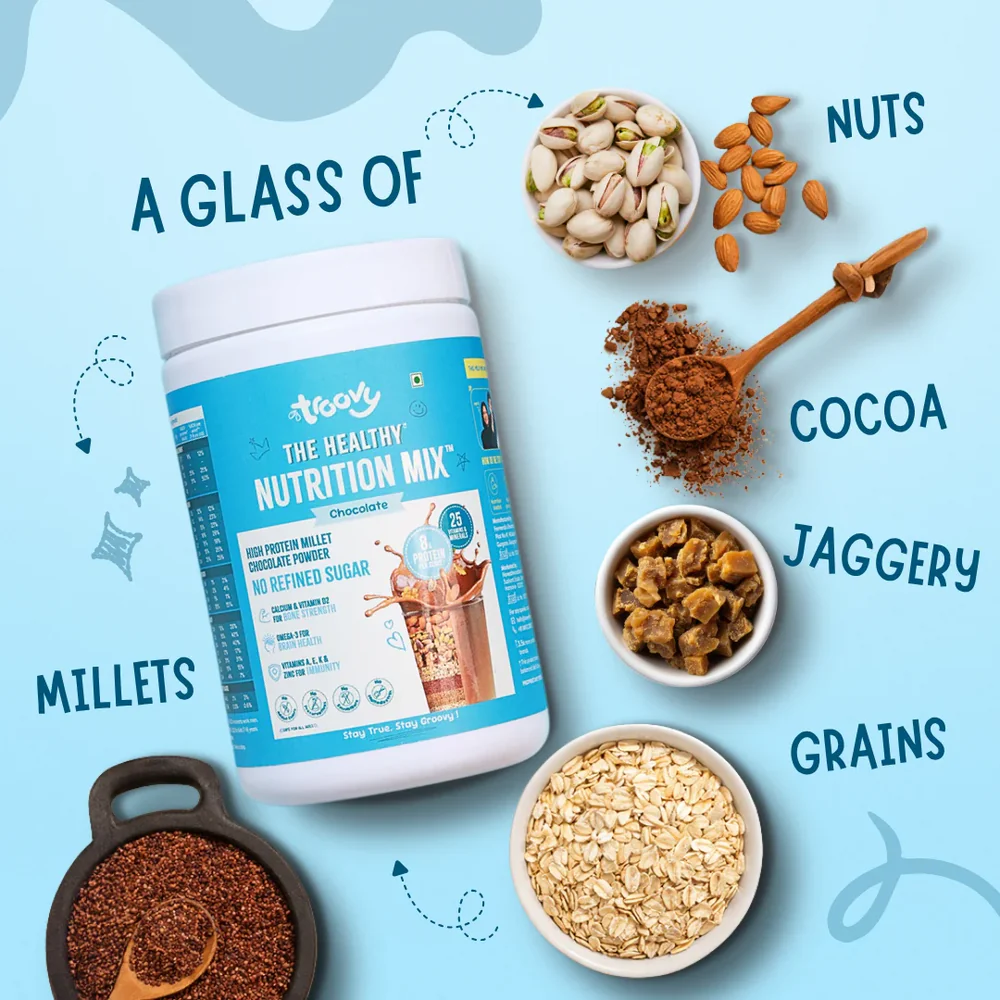
Nutrition supplements, especially fortified milk-based drinks, are designed to fill exactly these kinds of gaps. A good milk supplement for kids typically combines protein, calcium, vitamin D, and other essential micronutrients in a single glass, making it easier for parents to ensure their child gets consistent nutritional support even on days when meals don’t go as planned.
The keyword here is “support.” Supplements work best as a complement to a balanced diet, not a replacement for it. Think of them as filling in the blanks rather than rewriting the whole page. A child who eats reasonably well but still falls short on certain nutrients, because of picky eating habits or simply a busy, distracted lifestyle, is often the one who benefits most from this kind of nutritional backup.
What to Look for in a Growth-Supporting Supplement
Not all supplements are created equal, and it’s worth knowing what actually matters when choosing one for a growing child.
- Protein content: Protein content is essential, since protein provides the building blocks for bone and muscle development. Look for a good protein-to-calorie ratio rather than just a high sugar content dressed up as “nutrition.”
- Calcium and vitamin D: Calcium and vitamin D work together to support bone density and strength, both of which are directly tied to healthy height growth over time.
- Zinc and other micronutrients: Zinc and other micronutrients play a quieter but equally important role in supporting the hormonal and cellular processes behind growth.
- No unnecessary additives: Many products on the market are loaded with added sugar, artificial flavoring, and preservatives, ingredients that undo the very benefits parents are hoping to gain. Choosing a genuinely clean, well-formulated supplement matters just as much as the nutrients listed on the label.
Parents exploring options for a height growth supplement for kids should look past flashy packaging and marketing claims, and instead check the actual ingredient list. A short, recognizable list of real ingredients is usually a far better sign than a long list of things that sound more like a chemistry lab than a kitchen.
Building Habits Around Supplements, Not Instead of Them
It also helps to make these additions something kids genuinely look forward to, rather than something they’re forced to swallow every morning. A tasty, chocolatey glass of fortified milk is a far easier habit to stick with than a bland supplement that turns into a daily battle at the breakfast table. The same logic applies to other everyday foods parents choose for their children.
A plant based chocolate spread made with cleaner ingredients, for instance, lets kids enjoy their favorite breakfast spread without the usual dose of palm oil, artificial preservatives, or overloaded sugar that regular versions tend to carry. It still tastes indulgent, just without the ingredients parents would rather avoid.
Small swaps like this, paired with a good milk supplement, add up meaningfully over time. Together, they make healthy eating feel far less like a chore and far more like a normal, enjoyable part of a child’s daily routine, for both parents and kids.
Setting Realistic Expectations
It’s worth being clear-eyed about what supplements can and can’t do. They won’t override genetics, and they won’t produce dramatic height jumps on their own. What they can do is help ensure a child isn’t held back by nutritional shortfalls that are entirely avoidable with the right daily habits. For many families, that’s precisely the reassurance they’re looking for: not a guarantee, but a genuine, science-backed way to support their child’s natural growth potential.
Conclusion
Height growth in kids depends on a mix of genetics, nutrition, sleep, and activity, and while supplements aren’t a magic fix, the right ones can meaningfully fill nutritional gaps that everyday meals often miss. Selecting clean, well-formulated products and pairing them with healthy daily habits gives children the best possible support. Troovy focuses on exactly this kind of thoughtful nutrition, offering parents wholesome, additive-free foods and drinks that make healthy choices simple, tasty, and something kids genuinely look forward to every day.