
You have probably spent a few evenings this spring looking at a tired patch of lawn and wondering whether to reseed, resod, or simply start over. If you live anywhere across DFW or the wider stretch of North Texas, you already know the summers are a lot for any yard to absorb, and the clay under your boots is not the most forgiving medium to work with.
The good news is that picking the right grass seed for North Texas is very learnable once you understand how warm-season turfgrass varieties like Bermuda, Zoysia, St. Augustine, and Centipede respond to heavy clay soils, triple-digit summers, shade from mature trees, and periodic drought restrictions. Each species has its own relationship with sun, moisture, foot traffic, and recovery. A little homework at the front end saves a lot of patching, reseeding, and frustration later in the season.
What follows is a gentle, step-by-step guide to getting it right the first time.
1. Start With What Is Under Your Feet
Before you think about varieties, grab a trowel and dig a small hole in three or four spots across your yard. You are looking at color, texture, drainage, and how tightly the soil holds together when squeezed.
Most North Texas yards sit on a heavy clay base, sometimes topped with a thin layer of imported loam. Clay is rich in minerals and holds nutrients well, though it compacts easily and drains slowly after heavy rain. Sandy pockets, common near older river channels, behave the opposite way, drying out quickly.
Healthy soil is the foundation of a healthy lawn. Before adding anything else, it helps to know what you are working with.
2. Watch the Sun for a Full Day
Sunlight patterns are the second variable that shapes which grass will actually prosper. A yard with six or more hours of direct sun behaves very differently from a yard shaded by live oaks or pecans for most of the afternoon.
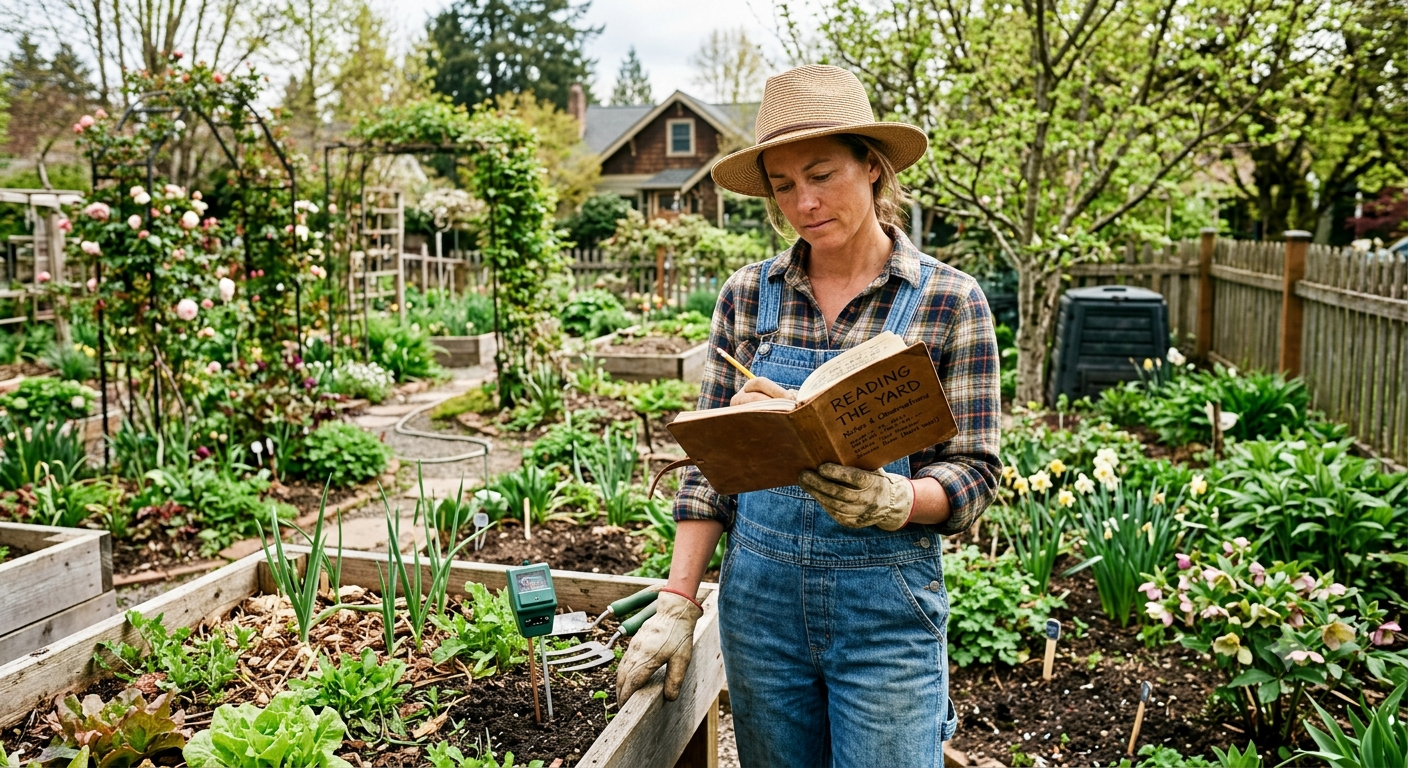
Spend a single Saturday taking quick notes every couple of hours. Mark the sections that see bright morning sun, which get baked in the afternoon, and which sit under a canopy for most of the day. Small sketches on a notepad work fine for this exercise.
Shade tolerance varies a lot across the warm-season families. Bermuda wants open sun, St. Augustine and Zoysia accept partial shade, and Fescue is the only regional option that actually prefers cooler, shaded conditions.
3. Match the Variety to the Conditions You Just Documented
With your soil notes and sun map in hand, the choice becomes much simpler. Think of it less as picking a favorite and more as pairing a plant with a site.
A few general guides:
- Bermuda rewards sunny, open yards and recovers quickly from foot traffic.
- Zoysia fits yards with mixed sun and moderate shade, and it forms a dense, tidy turf over time.
- St. Augustine handles shade well and suits homes with tree cover when properly irrigated.
- Centipede works for lower-traffic yards where low mowing frequency is a priority.
- Fescue suits the cooler, shaded microclimates found mainly in the DFW area and just north.
Write down your top two candidates before you buy anything. Decisions feel easier when the reasoning is on paper.
4. Plan the Timing Around the Texas Calendar
Warm-season grasses establish best when soil temperatures remain consistently above 65°F, which in North Texas usually occurs from late April through early June. Planting earlier risks a cold snap that slows germination and thins out young seedlings.
Waiting too long into the heart of summer brings a different challenge, because young roots struggle to establish in hot, dry soil. Local irrigation restrictions can further complicate that. Checking your municipal watering schedule before you plant is a quiet step that pays off.
Fescue, being a cool-season grass, follows the opposite schedule and does best when seeded in early fall.
5. Prepare the Ground as It Matters
Seed-to-soil contact determines whether your investment takes root. Rushing this step is the most common reason new lawns thin out or fail outright.
Start by mowing any existing turf short, raking up thatch, and loosening the top inch or two of soil. For yards with compacted clay, a core aerator, rented for an afternoon, opens the surface and allows water and oxygen to reach the root zone. Adding a thin layer of compost or a soil amendment at this stage feeds beneficial microbial life and improves structure.
A well-prepared seedbed gives every variety a better start, regardless of which bag you bought.
6. Seed, Water, and Protect the Young Lawn
Spread seed at the rate on the bag, then lightly rake it in so the seed sits just below the surface. A thin topdressing of compost or clean straw helps hold moisture and shields the seed from hungry birds.
Water lightly and often during the first two to three weeks. You are trying to keep the top half-inch of soil consistently damp without creating runoff or puddling. As seedlings emerge, shift toward deeper, less frequent watering to encourage roots to reach downward.
Hold off on mowing until the new blades reach at least three inches. A sharp mower blade is worth the ten minutes it takes to sharpen.
7. Build the Habits That Keep It Healthy
The first season sets the tone for every season after. Thoughtful care in year one creates a lawn that can handle the demands of North Texas year-round.
Feed the soil ahead of feeding the grass. Organic matter, compost topdressing, and soil tests every year or two support the biological activity that makes nutrients available to the roots. Reasonable mowing heights, deep watering, and patience during dormant months keep the turf resilient through heat waves and cold snaps.
Professional lawn care services can fill in the technical pieces when life gets busy or a problem feels out of reach.
A Short Checklist to Take With You
Here is the whole process condensed into one quick summary:
- Dig a few test holes and note the soil type.
- Map sun and shade across the yard over a full day.
- Pick two candidate varieties that match those conditions.
- Time planting between late April and early June for warm-season grasses.
- Prepare the seedbed with aeration and compost.
- Seed at the recommended rate and keep the surface evenly moist.
- Shift to deep watering once seedlings establish.
- Feed the soil steadily through the first year.
A healthy North Texas lawn is the product of small, patient choices made in the right order. Give each step its proper attention, and your yard will settle into its new growth with room to thrive.