
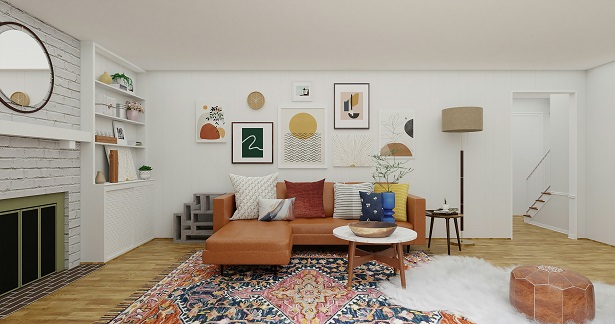
Evaluating your current living room layout is a critical first step toward enhancing its functionality. Begin by taking comprehensive measurements of the room. This includes not only the overall dimensions but also the placement of doors, windows, and built-in features, such as fireplaces and shelving. Understanding the precise size and configuration of your space will allow for a more effective design strategy. Next, identify key areas within your living room that are currently utilized and how they affect the overall functionality of the room. Consider aspects like seating arrangements, entertainment setups, and any multifunctional areas that might exist. For instance, a corner designed as a reading nook could also serve as an additional seating space when guests are present. Knowing how your current layout caters to your lifestyle will guide your design decisions.
It is equally important to determine the primary functions your living room serves. Make a list of activities you regularly engage in within this space entertaining guests, family time, reading, or relaxing after a long day. Assess whether your current arrangement supports these activities effectively or if adjustments are necessary.
Once you have a thorough understanding of the dimensions and functions of your living room, you can begin to envision how to optimize it for better utility. This might involve rearranging furniture to improve flow or even repurposing areas for specific needs. Ultimately, a well-assessed living room will be tailored to your individual requirements while allowing for a harmonious balance between aesthetics and practicality.
Defining Purpose and Activities
When considering how to make your living room more functional, it is essential to first define the purposes of this space based on specific lifestyle choices. The living room often serves as a central hub in the home, facilitating a variety of activities, from family gatherings to quiet evenings spent reading or working. Identifying the primary functions will enable effective layout and design decisions that cater to daily needs.
To begin with, assess the needs of all household members. If the living room is primarily used for family leisure and socializing, creating a comfortable seating arrangement may take priority. On the other hand, if the space needs to accommodate remote work or study, consider integrating a dedicated work area with proper lighting and ergonomic furniture. This kind of strategic planning paves the way for a multifunctional area that aptly reflects the everyday dynamics of your family’s lifestyle.
Also, consider how entertainment plays a role in the living room’s purpose. For families that prioritize movie nights or game evenings, investing in a media console, optimizing seating for comfort, and ensuring a conducive layout for interaction becomes crucial. Furthermore, the inclusion of design elements such as open shelving or storage solutions can enhance functionality while ensuring that everyday items are easily accessible.
Lastly, contemplate other daily activities that the living room might host, such as hobbies or informal gatherings. By selecting versatile furniture, like ottomans that can double as storage or coffee tables that can accommodate various activities, you can maximize the utility of the space. Thus, the living room can evolve into a well-rounded area that meets the diverse needs of your household without sacrificing charm or comfort.
Smart Furniture Selection
Selecting the right furniture is essential for enhancing the functionality of your living room. The furniture you choose should not only fit the visual aesthetics of the space but also maximize its utility. This is where smart furniture selection comes into play. Opting for pieces that serve multiple purposes can transform a living room from a space that simply looks good to one that is highly functional.
Modular sofas, for example, are excellent choices for contemporary living rooms. These versatile seating arrangements can be reconfigured to fit different circumstances, accommodating various numbers of guests or even transforming into sleeper sofas when necessary. This adaptability allows homeowners to make the most out of their space, whether they are hosting a gathering or enjoying a quiet evening.
Multifunctional coffee tables are another invaluable addition to a functional living room. Today’s designs often include hidden storage or can extend to provide additional surface area. Such coffee tables help organize living room essentials while ensuring that the area remains tidy and uncluttered. By choosing a coffee table that serves more than one purpose, you also create more room available for movement and leisure.
Storage options are equally important when selecting furniture for your living room. From shelves to ottomans with built-in storage, investing in pieces that offer hidden compartments can greatly enhance the room’s organization. Choosing furniture that integrates storage solutions can effectively minimize clutter, helping maintain a serene environment conducive to relaxation.
In conclusion, a thoughtful approach to furniture selection can significantly impact the functionality of your living room. Prioritizing modular, multifunctional, and storage-enhancing furniture allows for a more organized and versatile space that accommodates both everyday living and special occasions alike.
Creative Storage Solutions
In order to enhance the functionality of your living room, integrating creative storage solutions is essential. The clutter that often accumulates in this central living space can detract from its overall aesthetic and usability. Start by maximizing vertical space through the installation of shelves. Wall-mounted shelves can hold books, decorative items, and plants, adding visual interest while ensuring that precious floor space is preserved. The choice of shelving materials and styles should complement your existing decor, further emphasizing the room’s overall design.
Another effective approach is to utilize the space under your sofa. By incorporating shallow bins or boxes on wheels that can slide under the couch, you can store items like blankets, magazines, and even board games within easy reach yet out of sight. This not only helps to maintain an organized environment but also utilizes otherwise forgotten space effectively.
Built-in storage offers another way to enhance functionality. Consider custom cabinetry that aligns with your living room’s style—whether it is modern, traditional, or eclectic. Built-ins can accommodate books, electronics, and decorative elements while enabling a seamless integration with the room’s architecture. This solution provides not only storage but also a sense of harmony and intentionality in the design. Furthermore, decorative baskets can be used as both stylish and practical storage solutions. These can be placed in corners or beside furniture, functioning as appealing containers for items such as remote controls, throws, or children’s toys. The incorporation of colors and textures from decorative baskets can elevate the room’s aesthetic while ensuring everything has its designated place.
By implementing these creative storage solutions, you can foster a more organized and functional living room, enhancing both daily use and the overall appeal of your space.
Flexible Seating Arrangements
In an era where multifunctional spaces are increasingly desirable, flexible seating arrangements play a significant role in enhancing the functionality of a living room. Adaptable seating solutions not only cater to varying needs but also optimize the space for diverse activities, whether entertaining guests, family gatherings, or quiet evenings at home.
Among the popular choices for flexible seating are ottomans, poufs, and movable chairs. Ottomans serve a dual purpose; they can function as footrests, coffee tables, or extra seating when needed. Their lightweight design allows for easy relocation, making them a versatile addition to any living room. Similarly, poufs can be deployed for extra seating while simultaneously adding texture and color to the room. Their informal, casual style contributes to a relaxed atmosphere, ideal for gatherings with friends and family.
Movable chairs are another excellent option. With various designs available, including accent chairs and folding options, they can be easily rearranged to suit any occasion. This flexibility enables you to adapt your living room layout based on the event, enhancing both comfort and social interaction. For example, during game nights, chairs can be configured to create an inviting social circle, while on quiet evenings, they can be positioned for intimate conversations.
Furthermore, incorporating a mix of seating styles encourages creativity in arranging your living space. This approach not only maximizes the usability of your living room but also provides an opportunity for personal expression through decor choices. By selecting pieces that resonate with your aesthetic while prioritizing utility, you ensure a cohesive and inviting environment.
Incorporating Technology Effectively
In the modern era, technology plays an essential role in enhancing the functionality of living spaces, including the living room. However, striking a balance between integrating technological devices and maintaining the room’s aesthetic is crucial. When looking to incorporate technology effectively into a living space, consider devices that complement rather than clash with the decor.
Firstly, when selecting an entertainment system, opt for sleek, minimalist designs that can blend seamlessly with your existing furniture. Wireless speakers and soundbars are excellent choices as they minimize clutter and allow for easy placement. For instance, a soundbar mounted to the wall beneath the television can provide excellent audio quality without consuming valuable floor space. Consider color options that match existing furniture or wall colors to ensure a cohesive look.
In addition to audio-visual equipment, charging solutions for devices can be integrated in a manner that is both functional and aesthetically pleasing. Look for charging stations that can be disguised as decorative items, such as stylish trays or attractive boxes. These not only serve the practical purpose of organizing multiple devices but also contribute to the overall decor. Additionally, multi-functional furniture, such as ottomans with built-in USB ports, can aid in keeping devices charged while maintaining the living room’s design integrity.
Furthermore, smart home technology offers refined options for enhancing functionality without being visually intrusive. Smart lighting systems, which can be controlled via a smartphone or voice commands, allow for ambiance adjustments without the need for additional hardware that can clutter the space. Similarly, smart thermostats can regulate temperature efficiently while offering a modern touch to your living room.
By thoughtfully selecting technological devices that enhance usability and aligning them with the overall design, homeowners can create a living room that is both functional and visually appealing. Making strategic choices about technology can transform a space into a modern oasis that meets all lifestyle needs without compromising style.
Lighting Design for Functionality
Lighting plays a crucial role in optimizing the functionality of a living room. Proper lighting design not only enhances visibility but also sets the mood and atmosphere of the space. Understanding the different types of lighting—ambient, task, and accent—can greatly improve how a living room is used and experienced.
Ambient lighting provides overall illumination to the room, ensuring that the space is well-lit without causing glare. This type of lighting can be achieved through ceiling fixtures, recessed lights, or even natural light from windows. It is essential for basic visibility and sets the foundation for layering other types of lighting. Without adequate ambient lighting, a living room may feel dark and uninviting.
Task lighting serves a more specific purpose by focusing on areas where particular activities take place, such as reading, working, or engaging in hobbies. Such lighting can include floor lamps, table lamps, or under-cabinet lighting. By integrating task lighting into a living room design, one can create functional zones that allow for various activities to take place seamlessly. It is key to ensure that task lighting is adjustable and appropriately placed to cater to individual needs.
Accent lighting, on the other hand, adds character and highlights specific features in the living space, such as artwork or architectural details. Using spotlights or wall sconces, accent lighting can enhance the aesthetic appeal of the room while also creating focal points that draw attention. This type of lighting contributes to the overall ambiance and can make the space feel more welcoming.
In essence, a well-thought-out lighting design combining ambient, task, and accent lighting not only enhances usability but also uplifts the mood of the living room. Each lighting type plays an integral role in ensuring the space is both functional and visually appealing, ultimately transforming how the room is utilized daily.
Personal Touch and Aesthetic
Creating a living room that is both functional and aesthetically pleasing can significantly enhance the overall experience of the space. The integration of personal decor is essential in making the area feel inviting and reflective of one’s personality. When selecting decor elements, it is imperative to strike a balance between individual expression and practical design. This involves considering how art, plants, and textiles can enhance both the visual appeal and utility of the living space.
Art, for instance, plays a vital role in personalizing a living room. Incorporating framed photographs or paintings that resonate with the homeowner’s taste can add character to the space. However, choosing artwork should also be mindful of the arrangement. Ensuring that art pieces are hung at eye level and are not cluttered can maintain a clean yet expressive environment, allowing for both functionality and beauty.
Plants are another excellent addition to enhance both aesthetics and practicality. Incorporating greenery can purify the air, promote a sense of tranquility, and contribute to the overall ambiance of the living room. When selecting plants, it is advisable to choose low-maintenance varieties that thrive in indoor conditions while complementing the decor. For instance, a large snake plant or a hanging spider plant can serve as visually appealing focal points while remaining easy to care for.
Additionally, textiles such as cushions, throws, and rugs can contribute to a cozy atmosphere while enhancing functionality. Opting for durable materials that withstand daily use can ensure longevity without sacrificing style. Coordinated colors and patterns can tie the room together, while offering comfort for lounging.
By integrating personal decor thoughtfully, homeowners can create a living room that not only reflects their style but also serves practical purposes, fostering a space that feels both lived-in and functional.
Maintenance and Adaptation Strategies
To ensure that your living room remains functional and organized over time, it is essential to implement maintenance and adaptation strategies. These approaches not only help preserve the aesthetic appeal of the space but also accommodate changing needs as lifestyles evolve. Regularly reassessing the functional requirements of your living room can significantly enhance its usability.
One of the primary strategies for maintaining an organized living room layout is establishing a routine for decluttering. Setting aside time weekly or monthly to evaluate the items in your living room can help to identify those that are no longer needed. This process allows for the removal of excess furniture or decor that no longer serves a purpose, making room for items that better meet current needs. Additionally, creating designated storage spaces for various items can streamline organization and improve accessibility.
Flexible furniture arrangements can also play a crucial role in maintaining a functional living room. Opting for modular furniture that can be easily rearranged or reconfigured allows you to adapt the space according to different activities, whether it’s hosting guests or enjoying a quiet evening alone. Periodic re-evaluation of furniture layout can provide fresh perspectives on space utilization and increase the overall comfort level of the room.
Moreover, staying attuned to the evolving needs of household members is vital. Families grow and lifestyles change, which may necessitate modifications to how the living room is used. For instance, if children are added to the household, incorporating child-friendly elements and durable furniture can enhance safety and functionality.
In conclusion, maintaining an organized and functional living room requires ongoing attention and adaptability. By regularly reassessing needs and implementing strategic changes, you can ensure that your living space remains enjoyable for everyone involved.