
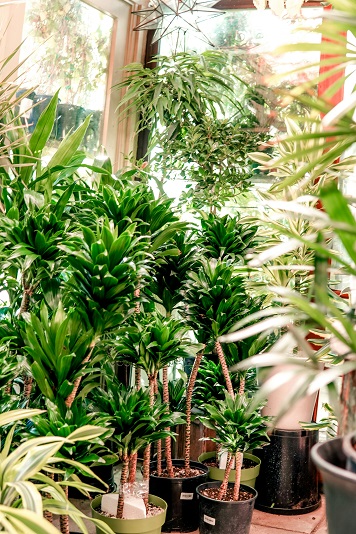
Indoor plants have gained significant popularity in recent years as individuals and businesses alike recognize their numerous benefits. One of the most compelling reasons to introduce greenery into indoor spaces is the improvement of air quality. Plants naturally filter the air, absorbing carbon dioxide and releasing oxygen, which can lead to a healthier environment for occupants. Many indoor plants also have the ability to remove toxins and pollutants, further enhancing the overall air purity of a space.
Beyond air quality, incorporating indoor plants can positively influence mood and mental well-being. Studies have shown that the presence of plants can reduce stress levels, increase feelings of calmness, and improve overall emotional health. For many, caring for a plant can serve as a therapeutic activity, offering a sense of purpose and stability amidst the complexities of daily life.
Aesthetically, indoor plants provide an attractive focal point in any room. They can soften hard lines of furniture, add a splash of color, and create a more inviting atmosphere. Whether through statement plants or clusters of smaller varieties, the design possibilities with indoor plants are virtually limitless. This versatility makes them well-suited for diverse environments, from private homes to corporate offices.
As we explore specific plants that can transform indoor environments, it is essential to recognize the underlying benefits that indoor plants offer. By enhancing air quality, improving mood, and enriching the aesthetic appeal of spaces, they contribute significantly to a healthy and invigorating indoor atmosphere.
Choosing the Right Plants for Your Space
Selecting the appropriate plants for your indoor environment is crucial for maintaining both aesthetics and a healthy living atmosphere. The first step in this process involves assessing the light conditions of your space. Different plants have varying light requirements; for instance, succulents thrive in bright light, while ferns prefer low-light conditions. Understanding whether your room receives direct sunlight, filtered light, or stands in the shade will help narrow down your options.
Another important consideration is the humidity level within your home. Certain houseplants, such as tropical varieties, flourish in high humidity; these may be suitable for bathrooms or kitchens where moisture levels are elevated. In contrast, more drought-tolerant plants, like snake plants or pothos, might be better suited for arid environments. It is vital to match a plant’s natural habitat with the humidity levels present in your indoor space.
Space constraints also play an integral role in the selection process. Before committing to a plant, consider the available space in relation to the plant’s growth potential. Some plants, like rubber trees, can grow quite large, while others, like air plants, require minimal space and can be placed in compact settings. Opting for smaller plants or hanging variants can make a substantial difference in a confined area.
Additionally, it is essential to evaluate your lifestyle and how much time you can dedicate to plant care. If you have a busy schedule or travel frequently, consider low-maintenance plants that require less frequent watering and care. Matching plant care requirements with your personal routines leads to better plant health and, ultimately, a more enjoyable gardening experience.
Low-Light Indoor Plants
For individuals seeking to enhance their indoor spaces with greenery, low-light indoor plants present an excellent solution. These plants have adapted to thrive in conditions where natural light is limited, making them ideal for apartments, offices, or any dimly lit areas. Two of the most popular low-light options are snake plants and pothos, both of which are renowned for their hardiness and ease of care.
The snake plant (Sansevieria trifasciata), commonly referred to as mother-in-law’s tongue, is a favored choice for low-light conditions. It features long, upright leaves that can vary in color but often showcase vibrant green shades with yellow edges. This plant is highly resilient, requiring minimal water and care. In fact, snake plants prefer to be slightly root-bound, which means they thrive even in less-than-ideal soil conditions. A key care tip for this plant is to allow the soil to dry out between waterings, as overwatering can lead to root rot. Not only does the snake plant flourish in low-light areas, but it also possesses air-purifying qualities, enhancing indoor air quality.
Pothos (Epipremnum aureum), also known as devil’s ivy, is another excellent option for low-light environments. This trailing vine features heart-shaped leaves and can grow in various conditions, making it an adaptable indoor plant. Pothos can tolerate irregular watering schedules, which is ideal for busy individuals. It can be placed in hanging baskets or trained to climb a trellis, adding to its aesthetic appeal. When caring for pothos, it’s essential to provide indirect light, as direct sunlight can scorch its leaves. Regular pruning will promote bushier growth and prevent it from becoming leggy.
Incorporating low-light indoor plants like snake plants and pothos into your space not only elevates its visual appeal but also fosters a calming atmosphere, making them perfect companions for any indoor setting.
Air-Purifying Plants
Indoor air quality can have a significant impact on our health and comfort. To ameliorate this, incorporating air-purifying plants into your indoor spaces can be an effective solution. Notably, peace lilies and spider plants have emerged as two of the best options for enhancing air quality.
Peace lilies (Spathiphyllum) are cherished for their elegant appearance and impressive air-purifying capabilities. These plants are known to filter out common toxins such as formaldehyde, benzene, and ammonia, making them ideal for home environments. They thrive in low-light conditions, which adds to their appeal as a low-maintenance choice. To ensure a peace lily flourishes, it is essential to provide moderate watering, allowing the soil to dry between waterings. Additionally, peace lilies prefer warm temperatures and occasional fertilization during the growing season to maintain their vibrant foliage.
Another excellent air-purifying plant is the spider plant (Chlorophytum comosum). Renowned for its resilience and ability to grow in various conditions, the spider plant effectively removes pollutants like xylene and toluene from the air. This plant is characterized by its long arching leaves and can tolerate neglect in terms of watering. Ideally, spider plants should be watered moderately, allowing the top soil to dry out before the next watering. They also enjoy bright, indirect sunlight, contributing to their overall health and growth.
In summary, incorporating peace lilies and spider plants into your indoor spaces provides significant air-purifying benefits while enhancing the aesthetic appeal of your home. By understanding their care requirements, you can enjoy clean air and create a healthier living environment.
Easy-to-Care-for Indoor Plants
For individuals who are new to indoor gardening or may not have extensive experience, selecting easy-to-care-for plants can make the journey enjoyable and rewarding. Among the best options for beginners, succulents and ZZ plants stand out due to their low-maintenance requirements and resilience.
Succulents are a diverse group of plants known for their fleshy, water-storing leaves. Their ability to thrive in dry conditions makes them an excellent choice for beginners who might forget to water regularly. Varieties such as Echeveria and Aloe Vera are particularly popular. These plants require minimal care; they prefer bright, indirect sunlight and well-draining soil. Watering should be done sparingly, usually only when the soil feels dry to the touch. This makes succulents incredibly forgiving for those still getting accustomed to plant care.
On the other hand, the ZZ plant (Zamioculcas zamiifolia) is renowned for its ability to tolerate neglect. This hardy plant can thrive in low-light conditions and can survive for long periods without water, making it perfect for busy individuals. The ZZ plant features glossy, dark green leaves that add a touch of elegance to any indoor space. Like succulents, it prefers well-draining soil and requires infrequent watering; overwatering can lead to root rot, which is the most significant risk for this plant.
In addition to being easy to care for, both succulents and ZZ plants can enhance the aesthetic appeal of indoor environments, bringing a sense of tranquility and vitality. By incorporating these low-maintenance options into one’s home or office, even novice plant owners can enjoy the benefits of greenery without the burden of intensive upkeep.
Colorful and Flowering Indoor Plants
Incorporating colorful and flowering indoor plants into your living spaces can significantly enhance their aesthetic appeal. These plants not only brighten up a room but also create a lively atmosphere that promotes well-being. Among the vast selection of indoor plants, two noteworthy options are orchids and African violets, each possessing unique qualities that make them popular choices for indoor decoration.
Orchids are renowned for their exquisite blooms and varied colors, ranging from subtle pastels to vibrant hues. They are relatively low-maintenance but do require specific care to thrive. Placing orchids in a well-draining potting mix with good air circulation is essential to prevent root rot. Additionally, they prefer bright, indirect sunlight and moderate humidity. Regular watering, allowing the potting medium to dry out between waterings, supports healthy growth. With the right conditions, orchids can bloom multiple times a year, providing a stunning display.
African violets are another excellent choice for adding color to indoor spaces. These small plants feature soft, rounded leaves and produce clusters of beautiful flowers in shades of purple, blue, and white. They thrive in well-drained soil, enriched with organic material. The best location for African violets is a spot with bright, indirect light. Overwatering can lead to root rot, so it is advisable to water them from the bottom by placing the pots in a shallow dish of water. This method allows the plants to absorb moisture without soaking the leaves, which can cause damage.
Both of these flowering plants can be used to elevate the aesthetic of any indoor area. With proper care, they can flourish and provide continuous joy and beauty, serving as vibrant centerpieces or decorative accents in your home.
Plants for Small Spaces
In urban living environments, where space is often at a premium, selecting the right plants can bring life into compact interiors without overwhelming them. Many plant varieties thrive in smaller areas, lending both aesthetic appeal and health benefits. It’s essential to choose species that either have a small footprint or can be utilized in creative ways to integrate into the space.
One exemplary choice for petite areas is the Snake Plant (Sansevieria), known for its upright growth and ability to tolerate low light conditions. This hardy plant requires minimal maintenance and can comfortably reside on small tables or shelves. Its air-purifying qualities further enhance indoor air quality, making it a functional addition to any small home.
Another superb option is the Pothos (Epipremnum aureum), which can be hung in decorative planters or allowed to cascade from shelves. This trailing vine not only saves horizontal space but also adds a dynamic visual element to your interiors. Pothos plants thrive in various lighting conditions, further accommodating the needs of compact living.
For those who appreciate a splash of color, consider the Peace Lily (Spathiphyllum). With its modest size and elegant white blooms, it serves as an excellent choice for tabletops or window sills. Moreover, the Peace Lily is effective in removing indoor air toxins, elevating the overall ambiance of your small space.
Lastly, the Air Plant (Tillandsia) is a unique selection; these plants do not require soil and can be displayed in terrariums or mounted on walls. This versatility showcases the plant while conserving space effectively.
In conclusion, selecting the right plants for compact living environments allows for enhanced aesthetics and improved indoor air quality. By considering smaller species and creative display options, anyone can successfully bring greenery into their small spaces.
Seasonal Considerations for Indoor Plants
Caring for indoor plants entails understanding the unique challenges presented by different seasons throughout the year. As the seasons change, so do the environmental conditions affecting your plants. This section highlights key considerations for maintaining the health and beauty of indoor greenery during various times of the year.
In winter, one of the most significant challenges is the dry air caused by heating systems. Many homes rely on central heating, which can lead to a drop in humidity levels. To mitigate this effect, it is advisable to place a humidifier near your plants or group them together to create a microenvironment that retains moisture. Additionally, indoor plants may require less watering in winter, as lower temperatures and reduced light levels slow down their growth. Therefore, check the soil moisture regularly to avoid overwatering.
As spring arrives, indoor plants generally enter a phase of active growth. This is the optimal time for fertilizing your plants, as they will benefit from added nutrients to support their growth. Increasing the frequency of watering may also be needed, as plants begin to revive after a period of dormancy. Ensure they receive sufficient light, as longer days contribute positively to their growth process.
During the hot summer months, the primary concern is maintaining adequate moisture. Higher temperatures can lead to evaporation, causing the soil to dry out quickly. Make a habit of checking the moisture levels frequently, and consider moving plants away from direct sunlight if they’re exhibiting signs of stress, such as wilting or leaf burn. Additionally, summer can bring increased pests; thus, regular inspection and appropriate pest control measures are necessary.
Finally, as autumn approaches, you will need to prepare your indoor plants for cooler conditions. Begin reducing water and fertilization as growth slows down, which will help your plants transition smoothly into winter. By being vigilant and adapting your care routine, you can ensure your indoor plants thrive regardless of the season.
Conclusion and Final Thoughts
Incorporating plants into indoor spaces has been shown to yield numerous benefits, both aesthetic and health-related. From enhancing air quality to promoting psychological well-being, the advantages of indoor gardening are compelling. As we have discussed, a variety of plants—from low-maintenance succulents to lush ferns—can enhance your living environment while reflecting personal style.
Moreover, the act of nurturing plants can cultivate a sense of responsibility and connection to nature, transforming indoor spaces into more vibrant and lively areas. The selection of plants should be influenced by factors such as the amount of sunlight available, humidity levels, and the specific aesthetics that one wishes to achieve. By carefully selecting the right greenery, individuals can create a harmonious balance in their living spaces.
Begin with plants that are suited to your particular environment, taking into consideration your lifestyle and the time you can dedicate to caring for them. Besides, many plants can thrive with minimal attention, making indoor gardening accessible to individuals with various commitments. Engaging with plants provides not only a decorative element but also a therapeutic outlet that enhances the ambience of your home.
In conclusion, embracing indoor gardening can enrich your living environment substantially. The simple act of adding greenery to your home not only beautifies the surroundings but also fosters health and well-being. It is an invitation to enjoy nature from the comfort of your indoor space, thus promoting a connection that can transform everyday living into a more enjoyable experience.