
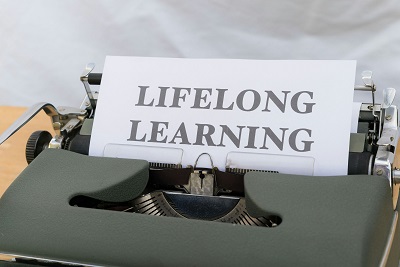
Lifelong learning refers to the continuous, voluntary, and self-motivated pursuit of knowledge for personal and professional development. In an era marked by rapid technological advancements and dynamic global changes, the process of learning is no longer confined to traditional educational settings such as schools and colleges. Instead, it has evolved into an ongoing journey that individuals embark on throughout their lives. The significance of lifelong learning cannot be overstated. As society becomes increasingly complex, the ability to adapt and acquire new skills is crucial for success in both personal and professional realms. Lifelong learning empowers individuals to navigate changing job markets, embrace new technologies, and remain competitive. It fosters a mindset geared toward curiosity and growth, enabling people to update their knowledge and skills in alignment with emerging trends.
Moreover, lifelong learning is instrumental in enhancing personal fulfillment and self-awareness. It encourages individuals to explore new interests, hobbies, and passions beyond their usual routines. This exploration can lead to improved mental well-being, as pursuing knowledge often cultivates a sense of accomplishment and boosts confidence. Furthermore, the integration of learning into everyday life allows individuals to remain engaged and maintain a sense of purpose as they progress through various stages of life.
In conclusion, the concept of lifelong learning highlights the importance of continuous education in today’s rapidly evolving world. It reshapes how we perceive learning, encouraging us to view it as a lifelong endeavor that promotes personal growth and adaptability. By embracing lifelong learning, individuals can effectively prepare themselves to face the challenges and opportunities that arise in an ever-changing global landscape.
The Evolving Job Market and Skill Requirements
The contemporary job market is characterized by rapid technological advancements and evolving industry dynamics. As organizations strive to remain competitive, they increasingly prioritize agility, innovation, and the adoption of new technologies. This shift necessitates a reevaluation of the skills required for various professions, highlighting the importance of lifelong learning as a strategy for success.
Digital transformation is one of the most significant influences on skill requirements across sectors. For instance, in fields such as healthcare, education, and finance, professionals must not only possess core competencies but also be adaptable to emerging tools and software. As artificial intelligence (AI), machine learning, and big data become integral components of business operations, individuals will need to develop a proficiency in these areas to remain relevant and secure employment.
Moreover, the onset of remote work has transformed the traditional workplace, creating new demands for communication and collaboration skills. Professionals are now required to utilize various digital platforms effectively, adapting their communication styles to suit virtual environments. This evolution emphasizes the necessity for ongoing education and training that align with changing job roles.
Employers are increasingly seeking candidates who showcase a commitment to continuous learning, as this demonstrates not only adaptability but also a proactive approach to professional development. As the landscape shifts, skills that were once deemed essential may become obsolete, while new competencies gain prominence. Therefore, it is imperative for individuals to engage in continuous education—whether through formal coursework, online learning, or professional workshops—to stay competitive within their respective fields.
In conclusion, the evolving job market demands a proactive approach to skill acquisition. Lifelong learning is no longer a luxury but a necessity for individuals aiming to thrive in an ever-changing professional landscape.
Benefits of Lifelong Learning
Lifelong learning refers to the continuous, self-motivated pursuit of knowledge for personal or professional development. This practice holds a multitude of benefits that extend well beyond the acquisition of new skills. One of the most noticeable advantages of engaging in lifelong learning is the sense of personal fulfillment it provides. As individuals strive to learn and grow, they often find themselves more satisfied with their lives and more confident in their abilities. The act of learning can bring joy, curiosity, and a sense of accomplishment that can enhance overall well-being.
In terms of career advancement, lifelong learning is paramount in today’s fast-paced economy. As industries rapidly evolve, professionals need to stay updated with the latest trends, technologies, and methodologies. Continuous education not only enhances existing skills but also opens doors to new opportunities. Employees who commit to lifelong learning tend to stand out in competitive job markets, as they are perceived as resourceful and adaptive. This proactive approach to education can lead to promotions, raises, and a more robust professional network.
Moreover, lifelong learning significantly improves cognitive abilities. Engaging in learning activities stimulates the brain, enhancing memory, problem-solving skills, and critical thinking. Regular brain engagement through learning can even help ward off cognitive decline as individuals age. This enhanced cognitive function facilitates adaptation to changes, whether they be technological advancements or shifts in the workplace environment. Being adaptable is essential for thriving in a world characterized by constant transformation.
In conclusion, the commitment to lifelong learning yields numerous benefits, including personal fulfillment, career advancement, improved cognitive abilities, and enhanced adaptability to change. Each of these factors contributes to a well-rounded, successful individual capable of navigating life’s challenges effectively.
Lifelong Learning in Different Stages of Life
Lifelong learning is a dynamic process that encompasses various forms of education throughout the different stages of life. From childhood to adulthood and into later years, individuals have opportunities to engage in formal education, self-directed learning, and professional development. Each of these aspects plays a vital role in fostering an ongoing pursuit of knowledge and skills.
In childhood, formal education lays the foundation for lifelong learning. Schools provide structured environments where children develop cognitive skills, curiosity, and critical thinking. Beyond the classroom, parents can encourage learning through diverse activities, such as visiting museums or engaging in community service. This early exposure not only cultivates a love for learning but also equips children with the tools they need to thrive in the information age.
As individuals transition into adolescence and adulthood, self-directed learning becomes increasingly significant. This stage often involves exploring personal interests, which may not always align with traditional educational paths. Many individuals may choose to read books, take online courses, or participate in workshops that align with their career goals or hobbies. This autonomy allows for tailored educational experiences, promoting adaptability and resilience in an ever-changing world.
Additionally, in the professional realm, continuous professional development is essential for maintaining and enhancing skills. Many employers support lifelong learning initiatives through training programs, seminars, and conferences. Engaging in such opportunities not only contributes to personal growth but can also advance one’s career prospects. This commitment to continuous improvement demonstrates to employers a dedication to relevant industry standards and trends, essential in today’s competitive job market.
Ultimately, embracing lifelong learning supports holistic personal development at every life stage, reinforcing the importance of adaptability as individuals navigate their personal and professional journeys.
Overcoming Barriers to Lifelong Learning
Lifelong learning, while essential for personal and professional growth, often encounters several barriers that can deter individuals from engaging in it. Among these, the most common obstacles include time constraints, financial costs, and a lack of motivation.
Time constraints frequently result from busy schedules filled with work, family responsibilities, and social commitments. Individuals may feel that they simply do not have the time to dedicate to learning new skills or pursuing educational opportunities. To address this barrier, it is crucial to prioritize learning as an important aspect of life. One effective strategy is to integrate learning into daily routines. This could involve allocating specific blocks of time each week for educational activities, such as online courses or reading materials relevant to one’s field of interest. Even dedicating just 30 minutes a day can lead to substantial progress over time.
Financial costs also present a significant barrier to lifelong learning. Educational programs, workshops, and resources can sometimes be expensive, putting them out of reach for many individuals. To overcome this challenge, individuals should explore a variety of learning options. Free online courses, open educational resources, and community workshops can provide valuable knowledge without the hefty price tag. Additionally, many organizations offer scholarships or tuition reimbursement programs for employees seeking further education.
Lastly, a lack of motivation can hinder one’s willingness to pursue lifelong learning. Setting clear and achievable goals can help ignite motivation. Individuals are encouraged to identify what they hope to achieve through learning and to celebrate small successes along the way. Engaging with peers who share similar interests can also foster a motivating environment, as collaborating with others often enhances the learning experience.
The Role of Technology in Lifelong Learning
In an increasingly connected world, technology plays a pivotal role in facilitating lifelong learning. Online courses, webinars, and digital resources have transformed how individuals access knowledge and enhance their skills. With the advent of platforms such as Coursera, edX, and Khan Academy, learners can engage in structured learning experiences tailored to their specific needs, enabling them to pursue education at their own pace and convenience.
Moreover, technology provides access to a vast array of resources, including video lectures, interactive simulations, and e-books. These online tools cater to different learning styles, allowing users to acquire information in a manner that suits them best. This flexibility encourages a more robust engagement with the materials, helping learners retain information more effectively. Additionally, the proliferation of forums and discussion groups enables learners to interact with peers and experts, fostering a collaborative learning environment that enriches the educational experience.
However, the effectiveness of these technological tools is significantly influenced by an individual’s self-management skills. Lifelong learners must demonstrate discipline and motivation to navigate the digital landscape effectively. This includes setting learning goals, allocating time efficiently, and actively participating in discussions. By developing these self-management skills, learners can optimize their use of technology, ensuring that they harness the potential of online resources to their fullest advantage.
As technology continues to evolve, so too will the opportunities for lifelong learning. Adaptability and openness to new learning methods will be essential as individuals seek to remain competitive in their respective fields. Ultimately, embracing technology as a tool for continuous education is crucial for anyone aiming to thrive in today’s rapidly changing work environments.
Cultivating a Lifelong Learning Mindset
To foster a lifelong learning mindset, individuals must cultivate certain attitudes and habits. A fundamental component of this mindset is curiosity. Embracing an inquisitive nature allows one to explore new ideas, ask questions, and actively seek out knowledge. Curiosity drives individuals to delve deeper into unfamiliar subjects, keeping the mind engaged and receptive to new information.
Another crucial trait is resilience. Lifelong learners understand that failure is often a stepping-stone to success. Embracing challenges rather than shying away from them enables individuals to develop greater perseverance. Resilience allows learners to bounce back from setbacks and view difficulties as opportunities for growth and enhancement.
Openness to feedback is equally important in promoting a lifelong learning mindset. Constructive criticism provides valuable insights that can shape an individual’s understanding and performance. By welcoming feedback, learners are more likely to identify areas for improvement, leading to continuous personal and professional development.
Practical tips for fostering this mindset include setting aside dedicated time for learning each week. Whether it involves reading books, taking online courses, or attending workshops, making learning a priority encourages consistent growth. Additionally, surrounding oneself with other learners can create a supportive environment. Engaging in discussions, sharing experiences, and collaborating on projects can enhance the learning experience.
Furthermore, it is beneficial to adopt a growth-oriented perspective, viewing challenges as opportunities rather than barriers. This shift in perception encourages lifelong learners to remain active participants in their own development. Ultimately, cultivating a lifelong learning mindset is about integrating these attitudes and habits into daily life, creating an ongoing journey of knowledge and self-improvement.
Real-World Examples of Lifelong Learners
One illustrious example of a lifelong learner is Malala Yousafzai, who, despite facing significant adversity, has continually pursued education and advocated for the rights of girls around the world. Malala’s journey began in Pakistan, where she sought knowledge even in the face of efforts to suppress it. After being targeted for her beliefs, she turned her personal struggle into a global movement, earning the Nobel Peace Prize in 2014. Her story exemplifies the transformative power of lifelong learning: by committing to her education, she not only achieved personal success but inspired others globally.
Another notable individual is Elon Musk, the CEO of Tesla and SpaceX, who embodies the spirit of lifelong learning through his voracious reading and self-directed study. Musk has famously claimed that he builds knowledge through reading textbooks and daily exploration of new concepts, demonstrating that the pursuit of knowledge knows no bounds. His relentless curiosity and desire for mastery have propelled him to the forefront of technological innovation, emphasizing how lifelong learning can foster remarkable achievements in various fields.
Additionally, consider the case of Oprah Winfrey, who has engaged in a lifelong journey of self-improvement and knowledge acquisition. From her early career as a media personality to her evolution into a business mogul and philanthropist, Oprah has continually sought new information, skills, and perspectives. Her dedication to learning has not only contributed to her personal success but also empowered countless others through her educational initiatives and media platforms.
These examples showcase that lifelong learners come from diverse backgrounds and pursue varied paths. Each individual illustrates that the commitment to continuous education leads to extraordinary achievements and positively influences their communities and the world.
Conclusion: Your Journey toward Lifelong Learning
As we have explored throughout this blog post, the concept of lifelong learning is not merely an optional pursuit but an essential element of personal and professional success. In a rapidly changing world, the ability to adapt and acquire new skills through continuous education is paramount. Lifelong learning fosters not only knowledge retention but also enhances cognitive functions, helps in overcoming challenges, and supports career advancement.
The pathways to engage in lifelong learning are diverse and varied. Whether through formal education, informal workshops, online courses, or self-study, individuals have numerous resources at their disposal. Embracing this commitment enhances one’s expertise and cultivates critical thinking, creativity, and problem-solving capabilities, all of which are crucial in today’s dynamic work environments.
Moreover, the benefits of lifelong learning extend beyond professional domains. Engaging in new learning experiences stimulates curiosity, boosts confidence, and encourages personal development. It enriches lives by expanding perspectives and fostering connections with diverse communities. In essence, lifelong learning is a journey that enhances not just career trajectories but also the overall quality of life.
It is never too late to embark on this journey. Individuals are encouraged to identify their interests and set realistic learning goals. Initiating small steps, such as reading a book, attending a seminar, or participating in online courses, can ignite a passion for continuous education. Therefore, the call to action is clear: take the first step toward lifelong learning today, embrace this transformative journey, and unlock the doors to infinite possibilities for your success and fulfillment.