
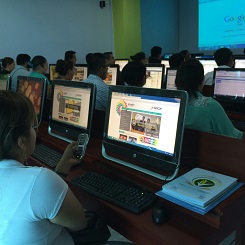
Introduction to Digital Literacy
Digital literacy is a multifaceted concept that encompasses the skills and knowledge necessary to navigate, evaluate, and create information using digital technologies. In the modern world, where technology permeates nearly every aspect of daily life, being digitally literate is essential. This skill set goes beyond mere proficiency with computers and smartphones; it includes a deeper understanding of how to effectively harness technology for various tasks, including communication, information retrieval, content creation, and data management. In today’s society, digital literacy plays a crucial role in both personal and professional contexts. For individuals, having a solid grasp of digital tools enables them to engage with a vast array of information sources, stay connected with family and friends, access essential services, and participate in the digital economy. This competence also fosters informed decision-making, as individuals can critically assess the reliability and relevance of online content.
From a professional standpoint, the necessity for digital literacy cannot be overstated. As industries evolve, many jobs now require employees to interact with technology efficiently. Skills such as using collaboration tools, understanding data privacy, and leveraging social media for professional networking are increasingly becoming prerequisites for many roles. Moreover, organizations that prioritize digital literacy among their employees often experience enhanced productivity and a more agile workforce.
Furthermore, in an era where misinformation can spread rapidly, digital literacy empowers individuals to discern credible information from falsehoods. This skill is imperative for promoting informed citizenship and maintaining the integrity of democratic processes. In summary, digital literacy is not merely a collection of skills but a vital competency that enables individuals to thrive in an interconnected and technology-driven landscape.
The Role of Digital Literacy in Today’s Job Market
In an increasingly technology-driven world, digital literacy has become a crucial skill set for job seekers across various industries. The capabilities to effectively use digital tools, navigate online platforms, and understand emerging technologies are not just advantageous; they are often essential. Research indicates that over 80% of jobs now require some level of digital proficiency, highlighting its significance in the modern job market.
Employers are increasingly looking for candidates who possess strong digital skills, as businesses rely heavily on technology for daily operations and communication. For instance, job roles in sectors such as marketing, finance, healthcare, and education often demand familiarity with digital tools and platforms. Knowledge in areas like data analysis, social media management, and digital content creation can significantly enhance an individual’s employability.
Moreover, according to recent surveys, companies that prioritize digital literacy in their workforce report higher productivity and enhanced innovation. In fact, 70% of employers believe that employees with strong digital skills are essential for maintaining competitiveness in the market. As global industries trend towards digital transformation, skills such as online collaboration, digital communication, and the ability to adapt to new software are becoming prerequisites for many positions.
For job seekers, enhancing digital literacy is a strategic move that can open doors to a wider array of employment opportunities. Programs and courses focused on developing digital competencies are readily available, which can aid in bridging the skills gap. As the demand for digitally-savvy candidates continues to grow, investing in digital literacy not only improves one’s job prospects but also contributes to career advancement in today’s dynamic labor market.
Digital Literacy and Education
In the increasingly digital landscape of the modern world, education systems are evolving to incorporate digital literacy as a fundamental skill. Digital literacy encompasses not only the ability to use technology but also the critical thinking and problem-solving skills essential for navigating digital environments. Integrating digital literacy into curricula is vital for preparing students for future challenges and opportunities in their academic and professional endeavors.
From an early age, students must be equipped with essential digital skills that include understanding online safety, effectively using digital communication tools, and critically evaluating sources of information. Digital literacy education encourages students to engage with technology in meaningful ways, which enhances their learning experiences and prepares them for a workforce that increasingly relies on digital competencies. Schools are adopting various strategies to embed these skills within existing subjects and developing specific programs dedicated to teaching digital literacy.
Furthermore, the role of educators in fostering digital literacy cannot be overstated. As technology continues to evolve, ongoing professional development for teachers is critical. Educator training programs must emphasize not only how to effectively utilize technology in the classroom but also how to teach students the importance of being responsible and informed digital citizens. This training is essential for ensuring that teachers are adequately prepared to guide their students in developing the necessary skills to navigate an information-rich digital world.
Through implementing digital literacy initiatives and providing continuous support for educators, educational institutions can foster an environment that values digital competence. Such efforts equip students with the skills needed to thrive in a digital society, leading to a generation that is knowledgeable, responsible, and versatile in its technological capabilities.
Impact of Digital Literacy on Personal Life
In today’s digital age, proficiency in digital literacy is essential for navigating various aspects of personal life. This skill encompasses the ability to use technology effectively, critically assess information, and communicate efficiently in a digital environment. The impact of digital literacy extends into everyday activities, significantly influencing how individuals manage their finances, access vital information, and maintain social connections.
When it comes to managing finances, individuals who are digitally literate can leverage online banking services, budgeting apps, and financial planning tools. These resources allow for real-time tracking of expenditures and savings, aiding in making informed financial decisions. Digital literacy thus empowers users to make prudent financial choices, set realistic budgets, and seek financial advice on platforms that provide valuable insights.
Furthermore, accessing information has transformed dramatically in our increasingly digital society. With a few clicks on a device, individuals can retrieve an array of resources, from scholarly articles to online courses. This easy access to information is beneficial for personal development and education, allowing individuals to broaden their knowledge and skills. A digitally literate person can discern credible sources from unreliable ones, ensuring that the information they consume is accurate and relevant, thereby enhancing personal well-being.
Additionally, maintaining social connections is greatly influenced by digital literacy. Social media platforms, messaging apps, and video conferencing tools have revolutionized communication, enabling people to stay in touch regardless of geographical barriers. For those who are skillful in navigating these platforms, the ability to cultivate and maintain relationships grows, fostering emotional well-being and a sense of belonging.
In conclusion, digital literacy has a profound impact on personal life by enhancing financial management, facilitating access to information, and strengthening social connections, all of which contribute to overall well-being in a digitally-driven world.
Vulnerabilities of the Digitally Illiterate
The increasing dependence on digital technology has rendered digital literacy an essential skill in contemporary society. However, individuals who lack these skills face significant risks and challenges that can adversely affect their daily lives. One of the most pressing issues encountered by the digitally illiterate is the susceptibility to misinformation. In the digital age, information is readily available across various platforms, but not all of it is accurate. Those without the skills to navigate this vast landscape often struggle to discern credible sources from those that propagate falsehoods. This inability can lead to misguided beliefs and poor decision-making, both on personal and societal levels.
Furthermore, online scams represent a considerable threat to individuals lacking digital skills. Cybercriminals often target the vulnerable, capitalizing on their unfamiliarity with technology to execute fraudulent schemes. For example, phishing attacks may appear legitimate, tricking users into revealing sensitive information. The digitally illiterate are more likely to fall prey to such scams due to their limited ability to identify red flags. The financial repercussions can be devastating, resulting in lost savings and prolonged emotional distress.
Accessing essential services has also transitioned into the digital realm, creating additional obstacles for those lacking digital literacy. Health services, government applications, and educational resources are increasingly provided through online platforms, making it difficult for those unfamiliar with technology to access crucial support. This digital divide can exacerbate existing inequalities, further marginalizing individuals already disadvantaged in other areas of their lives. As society continues to advance technologically, the vulnerabilities faced by the digitally illiterate will likely grow, underscoring the urgent need for increased digital literacy initiatives.
Global Perspective on Digital Literacy
Digital literacy is increasingly recognized as a fundamental skill in the contemporary world, influencing not only individual prospects but also the broader dynamics of society and economy. Across different cultures and countries, the level of digital literacy varies significantly, reflecting disparities in access to technology and quality education. In many developed nations, digital literacy training is integrated into standard educational practices, equipping students with the necessary skills to navigate the digital landscape effectively. However, this is not the case in many developing regions, where access to the internet and technology remains limited.
For instance, while countries in Europe and North America boast high levels of digital engagement, many parts of Africa and Asia face challenges such as inadequate infrastructure, lack of resources, and insufficient educational programs to promote digital skills. These disparities underscore the digital divide that exists globally, where millions of individuals and communities are left behind in an increasingly interconnected world. This digital divide not only hampers personal growth but also threatens economic development and social equality.
Efforts are underway globally to bridge this gap through various initiatives aimed at enhancing digital literacy. Organizations and governments are launching programs that focus on providing training and resources to underserved communities. These initiatives often include workshops, online courses, and the introduction of technology in classrooms, targeting vulnerable populations who would otherwise lack exposure to digital tools. Furthermore, public-private partnerships are emerging, combining resources from both sectors to create sustainable solutions to improve access and education in digital technology.
Overall, addressing the global perspective on digital literacy is crucial for ensuring equitable opportunities for all individuals. By fostering initiatives that promote digital education, nations can help close the gap between those with access to digital technologies and those without, thus contributing to a more inclusive and informed society.
Future Trends in Digital Literacy
As we look towards the future, the landscape of digital literacy is poised for significant transformation driven by technological advancements and changing societal needs. One of the most prominent trends will be the integration of artificial intelligence (AI) and machine learning into daily life. This will not only enhance existing tools but also create new platforms requiring users to adapt their skills accordingly. The ability to interact with AI systems, whether in personal assistants or data analysis tools, will become an essential component of digital literacy.
Alongside technological innovations, the demand for continuous learning will intensify. As technology evolves, so do the skills necessary to navigate it effectively. Lifelong learning will be crucial for individuals seeking to remain relevant in the job market. Companies may increasingly prioritize training programs that emphasize adaptability and digital skills, ensuring employees are equipped to tackle new challenges as they arise. This shift will likely foster a culture where digital literacy is viewed not just as a foundational skill, but as a dynamic capability that must be continually developed.
Moreover, the definition of digital skills is evolving. Future generations will not only be expected to know how to use technology but also to discern credible information from vast digital content. Information literacy, including the ability to evaluate sources and manage digital footprints, will become essential. As misinformation and digital manipulation become more prevalent, individuals will need to cultivate critical thinking abilities to navigate these challenges effectively. This evolution highlights that digital literacy encompasses a broader set of competencies, integrating problem-solving and analytical skills within the digital realm.
Resources for Improving Digital Literacy
In today’s rapidly developing digital landscape, improving digital literacy is essential for individuals to navigate and thrive. To assist with this endeavor, a range of resources is available that can facilitate learning and skill enhancement.
One notable option for developing digital skills is online courses. Platforms like Coursera, edX, and Udacity offer comprehensive digital literacy courses that cater to various skill levels, from beginners to advanced users. These courses often cover key areas such as basic computer skills, internet safety, data management, and the effective use of digital tools. Many of these platforms also provide certification upon completion, enhancing an individual’s credentials.
In addition to online courses, a range of books exists that focus on digital literacy. Titles such as “Digital Literacy Unpacked for Teachers” by Terence W. parsons and “The Digital Literacy Handbook” by Amy J. McTigue provide valuable insights and strategies for enhancing digital competencies. These books explore effective methods for teaching and learning digital skills, making them excellent resources for both educators and self-learners.
Community programs also play a critical role in improving digital literacy. Many local libraries and community centers conduct workshops and training sessions tailored to different age groups and skill levels. These programs often focus on practical applications of digital literacy, such as online safety, software usage, and digital communication. Engaging in such community-led initiatives allows individuals to collaborate, share experiences, and support each other in their learning journeys.
Leveraging online courses, utilizing relevant literature, and participating in community programs are effective methods for individuals looking to enhance their digital skills. By taking advantage of these resources, individuals can achieve better personal and professional outcomes in an increasingly digital world.
Conclusion
In an increasingly interconnected and technology-driven world, digital literacy has become a critical component for individual and collective success. As highlighted throughout this blog post, proficiency in digital skills is essential not only for participating in the modern workforce but also for navigating the complexities of daily life.
The importance of digital literacy extends beyond mere technical abilities; it encompasses critical thinking, information evaluation, and effective communication within digital environments. By fostering these skills, individuals are better equipped to discern credible information from misinformation, a necessity in today’s media landscape.
Moreover, as society continues to evolve, digital literacy aids in bridging the gaps between different demographics, ensuring equitable access to information and resources. Through education and ongoing support, communities can empower their members, thereby fostering an informed society capable of leveraging technology to improve quality of life.
Ultimately, the role of literacy in shaping a competent and resilient society cannot be overstated. As we move forward, it is vital to promote digital literacy initiatives that cater to diverse populations, enabling everyone to thrive in the face of rapid technological advancements. Emphasizing this importance will not only enhance individual opportunities but will also contribute to the overall progress of our communities.