
Celebrity fame is defined as a state of being widely recognized and well-known, typically resulting from notable achievements in various fields such as film, music, and television. Historically, individuals could attain fame through their performances or public personas, emerging from a handful of well-established media outlets including newspapers, radio, and television. In this era, the exposure to celebrities was considerably limited, leading to a cult of personality that held significant cultural influence over the masses. Going back to the early 20th century, fame was often reserved for a select few who managed to captivate the public’s imagination through their talents or charisma. Icons such as movie stars and musicians were elevated to superstardom via critically acclaimed performances or chart-topping hits. The process of becoming a household name involved a curated blend of talent, media coverage, and public relations strategies orchestrated by industry gatekeepers. These celebrities earned their status through hard work, persistence, and the essential support of established networks.
The cultural impact of these celebrities was profound; they shaped societal values, trends, and pop culture through their visibility in traditional media. The limited scope of media meant that public influence came from a more concentrated source, shaping a collective perception of fame that was both idealized and scrutinized. This form of celebrity fame produced heroes and villains alike, with the public waiting eagerly for the next story to unfold on the silver screen or radio broadcast.
However, the advent of social media has transformed the landscape of celebrity fame. Unlike the earlier models that relied largely on traditional forms of media for recognition, social media allows for instantaneous connections and democratizes the pathway to fame. As we explore this evolution, we will delve deeper into how social media has redefined celebrity status and its cultural implications.
The Rise of Social Media Platforms
The advent of social media platforms such as Facebook, Twitter, Instagram, and TikTok has dramatically transformed the landscape of celebrity fame. Historically, traditional media such as television, radio, and print provided the primary means of celebrity exposure. However, the rise of social media has democratized fame, allowing individuals outside the conventional entertainment hierarchy to gain recognition and influence.
Facebook emerged as a pioneering platform that enabled celebrities to connect directly with their fans. This novel interaction allowed stars to curate their image, share updates, and foster closer relationships with their audience. Following Facebook, Twitter introduced a microblogging format that further enhanced celebrity engagement. Twitter’s character limit prompted spontaneous and candid communication, granting fans moments of authenticity from their favorite celebrities.
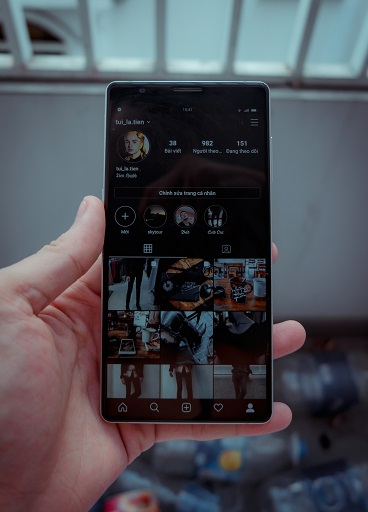
Instagram and TikTok expanded upon these principles by emphasizing visual storytelling and creativity. Instagram’s photo and video-sharing capabilities fostered a new breed of influencers who could gain followers and attain fame through aesthetically appealing content. TikTok, with its short-form video format, has transformed how talent is showcased and consumed, creating viral sensations seemingly overnight. This platform has blurred the lines between amateur creativity and celebrity status, allowing everyday users to achieve fame with their unique content.
As a result of these developments, both celebrities and the general public now have unprecedented access to one another. Celebrities can promote their work more effectively, while fans can engage in real-time discussions and share their thoughts directly with their idol. This shift not only humanizes the celebrities but also cultivates a sense of community, breaking down traditional barriers in the entertainment industry. Thus, the rise of social media platforms has redefined the dynamics of fame, creating a more inclusive and interactive environment for all.
The New Celebrity: Influencers and Content Creators
The rise of social media has fundamentally transformed the landscape of celebrity culture. Traditional celebrities, such as actors, musicians, and public figures, often gained fame through established channels like television, radio, and film. However, the advent of platforms such as Instagram, TikTok, and YouTube has birthed a new class of fame: social media influencers and content creators. These individuals often cultivate their own distinct personal brands, engaging directly with their audiences and building a following largely independent of traditional media.
Influencers and content creators operate in a space characterized by relatability. Unlike mainstream celebrities, who may be perceived as distant or unattainable, social media personalities frequently share glimpses of their daily lives, thoughts, and experiences. This transparency fosters a sense of intimacy and connection with their audience, which further amplifies their appeal. Followers often feel a personal relationship with these figures, leading to significant loyalty and engagement that traditional celebrities may struggle to replicate.
Moreover, influencers typically target niche audiences, tailoring their content to specific interests and communities. This specialization allows them to connect with followers who share particular passions, whether it be beauty, fitness, travel, or culinary arts. In this way, influencer fame often transcends the broader recognition that comes with traditional celebrity status. While some influencers may achieve significant fame, others find success by cultivating dedicated communities around their niches.
Ultimately, the landscape of fame has evolved, with social media at its forefront. Influencers and content creators represent a shift towards a more democratized form of celebrity, where success is defined by engagement and relatability rather than solely traditional metrics like box office sales or album charts. This shift has not only redefined what it means to be a celebrity but also has altered the dynamics of fame itself.
Instant Fame: Virality and Trends
The advent of social media has revolutionized the concept of fame, primarily through the phenomenon of virality. Today, content can achieve rapid and widespread popularity within a matter of hours, turning ordinary individuals into celebrities almost overnight. This shift is largely influenced by the algorithms governing social media platforms, which prioritize engagement and shareability. When a piece of content resonates with users, it can swiftly go viral, sparking trends that capture the attention of millions.
Memes and challenges have become central to this viral culture. A well-timed meme can encapsulate relatable humor or poignant emotions, prompting users to share widely across their networks. Viral challenges, on the other hand, encourage participation and engagement, often leading to increased visibility for the originator. For instance, platforms like TikTok have popularized dance challenges that can elevate a user’s profile virtually instantaneously. This democratization of fame allows for new influencers to emerge frequently, often eclipsing traditional celebrities who may take years to reach such a level of recognition.
Sociocultural trends are also pivotal in shaping who gets noticed in the world of fame today. As interests shift and new topics emerge, individuals who can align themselves with these trends—whether through content creation or participation—can garner significant attention. This tendency applies not only to dedicated influencers but also regular users who become trendsetters simply by showcasing their creativity or perspectives. In this environment, the barriers to achieving and sustaining fame are lower, enabling a diverse array of voices to penetrate mainstream consciousness.
The Impact of Audience Engagement
The advent of social media has revolutionized the relationship between celebrities and their audiences. Previously, the celebrity-fan dynamics were primarily one-sided, with stars curated through traditional media outlets. However, platforms such as Instagram, Twitter, and TikTok have changed this narrative, allowing celebrities to engage directly with their fans, fostering a more interactive and personal connection.
This increased audience engagement empowers celebrities to build their personal brands, crafting individual narratives that resonate with their followers. Through posts, stories, and live interactions, celebrities can share insights into their lives, showcase their talents, and express their opinions on current events, thus humanizing themselves to their audience. Consequently, fans feel a greater sense of companionship with their idols, as they can respond, comment, and share directly.
Moreover, the immediacy of social media allows celebrities to gauge fan reactions in real-time, offering an unprecedented opportunity to shape public perception strategically. It enables them to fine-tune their content and approach based on audience feedback, leading to a more engaged and loyal following. Conversely, this level of engagement can also present challenges; celebrities are often held accountable for their public actions and statements to an extent not previously experienced.
In addition, audience engagement through social media plays a crucial role in the marketing strategies of celebrities. Participants in various fan communities can amplify a celebrity’s reach and influence through shares and discussions, ultimately enhancing their visibility and opportunities within the entertainment industry. Therefore, the integration of social media into celebrity culture has fundamentally altered how public figures navigate fame, focusing not just on a curated image but also on open, candid interactions with their fan base.
The Role of Authenticity and Personal Branding
In the digital age, the concept of celebrity has transformed significantly, with social media playing a pivotal role in shaping this new paradigm. One of the most critical elements that have emerged in this landscape is the necessity of authenticity. Modern celebrities have learned that crafting a genuine persona online is essential for maintaining and growing their fan base. Gone are the days when a polished, unattainable image sufficed; today, followers seek a deeper connection with their idols, which can often be achieved through the presentation of authenticity.
Personal branding has now become a cornerstone for celebrities who wish to thrive in the social media arena. This involves the careful curation of one’s image and message, often intertwined with personal stories and experiences. By sharing insights into their lives, struggles, and triumphs, celebrities foster a more relatable image, which can greatly enhance engagement and loyalty among fans. Vulnerability has emerged as a powerful tool in this process, as it allows audiences to see celebrities not just as distant figures but as real individuals with whom they can connect.
Furthermore, authenticity in personal branding often extends beyond just sharing successes. It includes acknowledging failures, uncertainties, and the everyday realities of life. Such openness is appealing to followers, who may find themselves facing similar challenges. This relatability increases the prospect of broader audience engagement, as the authenticity of a celebrity’s narrative can resonate deeply with social media users. Hence, cultivating a brand based on honest storytelling and genuine interactions creates a robust foundation for popularity in the ever-evolving landscape of social media fame.
Downsides of Social Media Fame
The advent of social media has drastically transformed the landscape of celebrity culture, ushering in an era of unprecedented visibility and scrutiny. While gaining fame through social media can offer numerous opportunities, it also bears significant downsides. One poignant issue is the impact on mental health. Celebrities are often subject to relentless public attention, which can lead to anxiety, depression, and other psychological struggles. The pressure to maintain an idealized persona online contributes to a distorted self-image, overwhelming many influencers and public figures.
Alongside mental health challenges, online harassment has become a distressing aspect of social media fame. Individuals in the public eye frequently encounter negative comments, trolling, and even threats from anonymous users. This pervasive cyberbullying can exacerbate mental health issues, forcing some public figures to withdraw from their platforms entirely in search of privacy and peace. Additionally, the public’s insatiable curiosity about celebrities’ personal lives often leads to invasive practices, including paparazzi harassment, which can be detrimental to one’s quality of life.
Furthermore, the fleeting nature of fame in the social media landscape poses a unique challenge. Unlike traditional fame that often includes a solid fan base and dedicated media attention, social media fame can dissipate rapidly. Influencers and celebrities must continually produce engaging content to remain relevant, leading to a relentless cycle of performance anxiety and competitive pressure. This quest for relevance can result in an inauthentic representation of one’s self, as many feel the need to conform to ever-changing trends and public expectations.
Ultimately, the relationship between social media and celebrity fame is complex, intertwining opportunities with significant risks that can severely affect personal well-being.
Case Studies of Celebrities Influenced by Social Media
Social media has significantly transformed the landscape of fame, creating new pathways for various types of celebrities. One of the most notable examples is that of Kylie Jenner, who leveraged platforms like Instagram to build a billion-dollar cosmetics empire. Before social media, celebrity endorsements and traditional advertising were the primary methods for businesses to gain visibility. Jenner’s ability to connect directly with her audience through engaging posts has redefined how products are marketed and reinforced the power of influence in the digital age.
Similarly, the rise of YouTube stars illustrates a paradigm shift that has occurred over the past decade. An exemplar of this is PewDiePie, a gaming content creator who rose to fame primarily through his YouTube channel. With his authentic interactions and relatable content, he amassed millions of subscribers, showcasing how talent and creativity can thrive outside conventional entertainment realms. His journey exemplifies the fact that social media has democratized fame, allowing individuals from diverse backgrounds to achieve recognition independent of traditional media outlets.
Another significant figure is Ariana Grande, who started her career in theater and television but later found monumental success through her use of social media. Grande’s engagement with her fans through Twitter and Instagram not only helped maintain her visibility but also directly influenced her music style and branding. Her social media presence played a critical role in forming her fan base, proving that even established stars must adapt to the evolving dynamics of celebrity culture.
These case studies exemplify the varied ways social media continues to impact celebrity fame, from establishing direct communication paths to creating brands. They attract attention to the fact that in today’s world, social media is not merely an accessory to stardom but rather an essential component in shaping and sustaining fame in myriad forms.
The Future of Celebrity Fame in the Digital Age
As we advance further into the digital age, the landscape of celebrity fame continues to shift dramatically, influenced primarily by the pervasive nature of social media. The future trajectory of celebrity status will likely be shaped not only by traditional forms of stardom but also through the emergence of new technologies and changing audience preferences.
One prediction is that virtual and augmented reality will create immersive experiences that allow fans to interact with their favorite celebrities in unprecedented ways. This integration of technology could redefine what it means to be famous. Instead of a simple follower-creator relationship, fans may experience a more profound connection with their idols through virtual meet-and-greets, interactive performances, or even behind-the-scenes content that feels more personal than ever before.
Furthermore, the evolution of social media platforms will play a crucial role in shaping celebrity culture. As platforms strive to create more engaging experiences, there is potential for new content formats that democratize fame, allowing individuals with unique skills or perspectives to rise to prominence. This shift may lead to a more diverse range of celebrities, representing industries and narratives that were previously underrepresented.
Changing audience preferences will also dictate the future of celebrity fame. Today, consumers are more inclined to follow individuals who exhibit authenticity and relatability as opposed to traditional glamorous image-driven personas. This trend could lead to a rise in micro-influencers, who maintain smaller but highly engaged audiences. They often foster a more intimate connection with their followers, making them influential voices in the new landscape of fame.
In conclusion, the future of celebrity fame in the digital age is poised for transformation, characterized by technological advancements and evolving consumer expectations. Embracing these changes will be essential for individuals aspiring to achieve celebrity in this dynamic environment.