
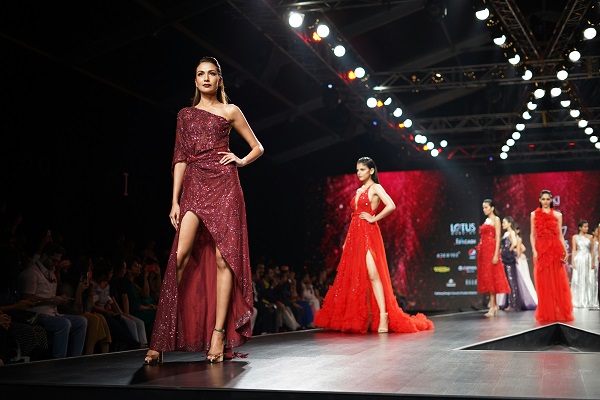
Red carpet fashion is a captivating aspect of the entertainment industry, where celebrities come together to celebrate their achievements and showcase their sartorial choices. The red carpet, typically rolled out for significant events such as award shows and movie premieres, serves as a prominent platform for stars to express their individual style while spotlighting the latest trends in haute couture. This highly publicized event presents an opportunity for fashion designers to unveil their exquisite creations, often leading to collaborations that elevate their profiles in the industry. These moments become significant cultural touchpoints as celebrities don meticulously crafted ensembles, ranging from glamorous gowns to sophisticated suits, each accompanied by carefully chosen accessories. The excitement surrounding red carpet fashion stems not only from the extravagant outfits but also from the anticipation of seeing how various personalities interpret their sartorial identity.
Moreover, red carpet fashion serves as a mirror reflecting societal attitudes toward style, beauty, and status. As fashion evolves, so do the statements made by celebrities on the red carpet, signaling shifts in the landscape of modern elegance and fashion norms. Designers often capitalize on the visibility provided by these high-profile events to elevate their brands, making each red carpet moment a key factor in setting trends across the globe.
The influence of red carpet fashion extends beyond the immediate event, inspiring designers, fashion enthusiasts, and the general public alike. Each appearance is meticulously analyzed in fashion circles and media, and often sparks discussions regarding taste, originality, and the occasionally controversial nature of celebrity fashion choices.
Iconic Red Carpet Moments of the Past
The red carpet has long served as a barometer for fashion trends, showcasing iconic styles that define eras and inspire future generations. In the 1920s, for instance, flapper dresses characterized by a straight silhouette and loose fit became synonymous with the Roaring Twenties, a period marked by social upheaval and liberation. Celebrities like Clara Bow and Louise Brooks captured public attention and set trends that emphasized a youthful, modern aesthetic.
Moving into the 1950s, Hollywood’s golden age brought glamour to the forefront with actresses like Audrey Hepburn and Grace Kelly donning exquisite gowns that emphasized femininity and elegance. Hepburn’s iconic black dress in “Breakfast at Tiffany’s” remains an enduring symbol of classic chic, demonstrating how timeless styles can leave a lasting legacy in red carpet fashion.
The 1980s further revolutionized red carpet appearances with bold colors, oversized silhouettes, and extravagant accessories. Designers such as Gianni Versace and Jean Paul Gaultier pushed boundaries, allowing artists like Madonna and Cher to express their individuality, thereby reimagining the concept of celebrity fashion. Cher’s daring Bob Mackie-designed dress at the 1986 Academy Awards is now etched in history as a testament to fearless self-expression.
In the 1990s and early 2000s, the red carpet became a battleground for cutting-edge fashion, with the rise of supermodels like Naomi Campbell and Kate Moss, whose appearances often dictated sartorial trends. Their ensembles were not merely garments; they were statements that blended high fashion with popular culture, emphasizing the significance of red carpet moments in shaping public perception.
These historical references, spanning decades, inform contemporary fashion choices and taste. Today’s designers and celebrities alike constantly draw inspiration from these iconic looks, proving that the red carpet is not just a display of glamour but a canvas for artistic expression, reflecting cultural shifts and societal values through attire.
Most Daring Outfits on the Red Carpet
Throughout the years, the red carpet has witnessed some of the most audacious fashion choices that have redefined the boundaries of style and personal expression. Celebrities often leverage this prominent platform to showcase bold outfits that challenge conventional norms, pushing the envelope of what is deemed acceptable attire in formal settings. These daring outfits often spark a mix of admiration and controversy, capturing the attention of both critics and fans alike.
One notable example is the iconic dress worn by actress Lady Gaga at the 2010 MTV Video Music Awards, made entirely of meat. This controversial outfit ignited discourse on the fashion industry’s role in cultural commentary and sparked conversations about body politics and animal rights. While some praised her for her daring stance, others criticized it for its shock value. This instance exemplifies how a bold fashion choice can lead to significant public dialogue and impact both fashion trends and societal values.
Furthermore, outfits that embrace unconventional silhouettes, extravagant embellishments, or unexpected fabric choices often leave a lasting impression. Consider the sheer, peek-a-boo designs often sported by fashion rebels like Zendaya and Rihanna, who utilize their red carpet appearances to challenge traditional standards of beauty and femininity. Such selections not only emphasize individualism but also promote a broader acceptance of diverse body types and expressive styles in the fashion sphere.
By embracing daring ensembles, these celebrities not only redefine their own identities but also influence the mainstream understanding of beauty and appropriateness in fashion. As daring outfits become increasingly accepted, they pave the way for future generations of artists and fashionistas to express their creativity without fear of judgement or backlash.
The Role of Fashion Designers
The collaboration between celebrities and fashion designers plays a pivotal role in shaping red carpet fashion moments. Celebrity appearances at high-profile events provide a platform for designers to showcase their collections, highlighting the creativity and craftsmanship that goes into their garments. This symbiotic relationship has given rise to iconic fashion partnerships, where specific stars are often associated with particular designers, influencing public perception and brand identity.
For instance, the relationship between actress Lupita Nyong’o and designer Prada has garnered significant attention in the fashion world. Nyong’o’s stunning red carpet appearances in custom Prada dresses have established her as a fashion icon, while simultaneously elevating the brand’s status. Similarly, actress Cate Blanchett frequently collaborates with Giorgio Armani, showcasing exquisite bespoke pieces that not only highlight her elegance but also reinforce Armani’s reputation for sophisticated and timeless designs. These partnerships often lead to increased visibility and sales for fashion houses, as fans aspire to replicate the looks of their favorite celebrities.
Beyond individual partnerships, the impact of these collaborations extends to the broader fashion industry, creating trends and setting standards that resonate with audiences worldwide. Designers carefully curate their collections to align with the aesthetics and personas of their celebrity ambassadors, resulting in highly stylized and memorable red carpet moments. The marketing implications are profound, as successful partnerships often lead to exclusive collections, endorsements, and enhanced social media presence, further amplifying the reach of both the designer and the celebrity. As the fashion landscape continues to evolve, the interplay between celebrities and designers on the red carpet remains an influential driving force, captivating audiences and shaping cultural narratives in the world of fashion.
Cultural Influence on Red Carpet Fashion
Red carpet events serve as a significant platform for celebrities to showcase their style while simultaneously expressing their cultural identity. The influence of cultural backgrounds on red carpet fashion choices has been increasingly recognized and celebrated in the modern era. Each culture presents distinct fashion aesthetics, traditions, and values, which often reflect in the attire chosen by stars during high-profile events such as film premieres, award shows, and galas.
For instance, many celebrities use the red carpet as a medium to highlight their heritage. Designers may draw inspiration from traditional garments, incorporating elements such as fabrics, patterns, and silhouettes that are emblematic of specific cultures. This practice not only enhances the visual diversity on the red carpet but also provides an opportunity for representation in an industry where inclusivity has long been sought after.
Moreover, the interplay between cultural influence and fashion extends beyond aesthetic choices. The messages conveyed through clothing can provoke conversations about race, identity, and societal norms. Notably, events that spotlight underrepresented groups allow for a celebration of cultural pride. Examples can be observed during events like the Met Gala, where themes are specifically tailored to highlight and honor diverse cultural narratives.
The changing dynamics of global fashion have further paved the way for designers of various backgrounds to gain visibility on the international stage. As audiences engage with these diverse fashion choices, they not only appreciate the artistry involved but also gain a deeper understanding of the cultural contexts from which they originate. The red carpet thus evolves into a rich tapestry of cultural expression, celebrating the unique contributions of all cultures and paving the way for future generations of designers and artists.
Analyzing Fashion Trends Over the Years
The evolution of fashion on the red carpet offers a fascinating insight into cultural shifts and changing societal norms. Over the past several decades, certain recurring themes and styles have significantly shaped the way celebrities present themselves at these high-profile events. From the elegance of the 1950s glamor to the bold experiments of contemporary fashion, the red carpet serves as a mirror reflecting broader trends across various contexts.
In the 1960s and 1970s, the red carpet set the stage for a more relaxed yet sophisticated aesthetic with an inclination towards minimalism. Designers such as Coco Chanel and Yves Saint Laurent influenced this shift, promoting simplicity that celebrated the natural form. As the years progressed into the 1980s, extravagance took center stage, epitomized by opulent gowns adorned with sequins, vibrant colors, and dramatic silhouettes. The fashion statements made during this period left an indelible mark on red carpet fashion, with stylistic decisions often driven by high-profile award shows and celebrity appearances.
Moving into the late 1990s and early 2000s, fashion began to embrace more daring elements, including daring cuts and unconventional materials. The arrival of celebrity stylists played a crucial role in shaping modern red carpet styles, as personal branding became significant for public figures. Today, there is an increasing focus on sustainability and inclusivity, with more designers opting to highlight eco-friendly attire and body positivity. Celebrities are now more vocally supporting emerging designers, leading to a versatile array of styles on the red carpet.
From the triumphs of classic elegance to the bold avant-garde statements, analyzing these fashion trends over the years reveals not only a shift in aesthetics but also deeper connections to societal values and individual identities related to fashion. This ever-changing landscape highlights the dynamic interplay between designers, celebrities, and the public’s perception of style, ensuring that the red carpet remains at the forefront of fashion innovation.
The Impact of Social Media on Red Carpet Coverage
In recent years, social media has significantly transformed the landscape of red carpet events, altering how these glamorous occasions are perceived and covered. Platforms such as Instagram and Twitter have emerged as dominant sources of real-time updates, allowing fans and commentators alike to engage with the events as they unfold. This immediate and wide-reaching exposure has redefined the traditional dynamics of red carpet coverage, ushering in an era where audience interaction plays a pivotal role.
One of the noteworthy shifts is the manner in which celebrities and designers use social media to curate and control their fashion narratives. Prior to the rise of digital platforms, red carpet arrivals were largely filtered through the lenses of traditional media outlets. However, celebrities are now empowered to showcase their outfits directly to their followers, often sharing behind-the-scenes glimpses of the preparation process. By actively participating in this dialogue, they solidify a connection with their audience and enhance their personal brand.
Furthermore, social media facilitates the rapid dissemination of trends and opinions, allowing trends to emerge almost instantaneously. For instance, a particular style or accessory that garners attention on the red carpet can quickly go viral, influencing what fashion followers wear in their daily lives. This instantaneous feedback loop fosters a culture where designers and celebrities are more responsive to public sentiment, promoting a deeper interplay between runway fashion and street style.
Moreover, social media has expanded access to red carpet events beyond the privileged attendees. Fans can now engage from afar, participating in live discussions, voting for their favorite looks, and sharing insights on various platforms. This democratization of coverage elevates the overall excitement surrounding events, allowing a broader spectrum of voices to influence fashion conversations.
Best Dressed Lists and Awards
Red carpet events have evolved into grand showcases of style, attracting significant media attention and fanfare. Following these glamorous occasions, various fashion critics and publications curate ‘best dressed’ lists that highlight the standout looks of the night. These lists serve as an authoritative roundup of the top fashion moments, often reflecting current trends, designers, and styles, while influencing what audiences perceive as fashionable.
The criteria for selection vary but generally include originality, adherence to fashion trends, the quality of garment construction, and overall aesthetic appeal. Stylists, bloggers, and fashion editors evaluate these aspects to determine which celebrities truly captured the essence of style on the red carpet. Additionally, cultural relevance and the significance of the event can impact a celebrity’s placement on these lists. For instance, an outfit that nods to a current social movement or embodies a significant historical reference may receive extra attention and accolades.
Numerous celebrities frequently find themselves on these coveted lists, including icons such as Lupita Nyong’o, whose vibrant choices and refined elegance consistently captivate fashion enthusiasts, or Timothée Chalamet, renowned for his daring, gender-fluid ensembles. These public figures not only showcase personal style but also play a significant role in shaping fashion conversations at large. Furthermore, brands leverage these moments, as frequent appearances on best dressed lists can propel a designer into the spotlight and significantly boost brand visibility.
Throughout the years, red carpet fashion has witnessed a myriad of evolutions, yet the tradition of celebrating the best dressed continues to be a staple in the fashion industry, providing insights into where fashion is currently headed and highlighting the transformative power of celebrity influence.
Conclusion: The Future of Red Carpet Fashion
The landscape of red carpet fashion is undergoing a significant transformation, shaped by the changing values and expectations of both celebrities and the general public. Traditional norms of glamour and extravagance are now being supplemented by a growing focus on sustainability and inclusivity. Modern designers and stylists are increasingly integrating eco-friendly materials into their creations, reflecting a collective acknowledgment of the fashion industry’s environmental impact. This shift not only resonates with the environmentally conscious audience but also aligns with the broader societal movements advocating for sustainability.
Furthermore, inclusivity in red carpet fashion is gaining prominence, with designers representing a diverse range of body types, cultural backgrounds, and gender identities. This evolution not only enriches the fashion narrative but also encourages an environment where all individuals feel represented and celebrated. Such changes are likely to influence what constitutes elegance and high fashion in the coming years, steering the industry towards a more holistic and relatable approach.
As we look forward to future red carpet events, it is clear that the aesthetic that emerges will reflect a blend of opulence and awareness. Audiences can expect to see more designers prioritizing ethical practices while still pushing the boundaries of creativity and artistry. Collaborations between established fashion houses and emerging talents who emphasize sustainability will likely define emerging trends. The red carpet will continue to serve as a dynamic platform, not just for showcasing high fashion but also for advocating for positive change within the industry and society at large.