
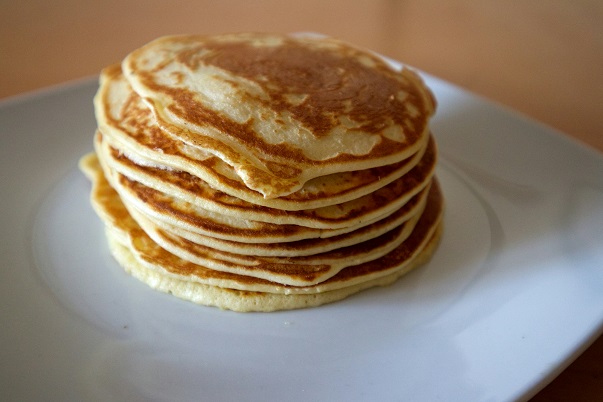
To create the perfect pancakes, understanding the role of each ingredient is essential. Flour is the foundation of pancake batter, providing structure and bulk. For fluffy pancakes, all-purpose flour is commonly used due to its ideal protein content that helps achieve the desired texture. However, for those with gluten sensitivities, gluten-free all-purpose flour or almond flour can serve as adequate substitutes while still yielding light and fluffy results.
Eggs contribute to the richness and flavor of pancakes while also serving as a binding agent that holds the batter together. They provide moisture that is crucial for achieving the perfect fluffiness. The same can be said for milk, which enhances the overall moisture and creates a tender crumb. For dairy-free pancakes, unsweetened almond milk, soy milk, or oat milk are suitable alternatives that will maintain the consistency of the batter.
Sugar adds a touch of sweetness and aids in the browning process during cooking. If you’re looking for diabetic-friendly options, consider using honey or maple syrup in moderation. Baking powder is vital as it acts as a leavening agent, producing carbon dioxide that helps the pancakes rise and become fluffy. It is essential to ensure that baking powder is fresh to maximize its effectiveness.
Lastly, a pinch of salt enhances the flavor of pancakes and balances the sweetness without being overpowering. Butter is commonly used for cooking the pancakes, adding flavor and helping create a beautiful golden-brown crust. For those adhering to a dairy-free diet, vegetable oil or melted coconut oil can be used instead.
Careful measurement of these ingredients is also key to achieving the right pancake batter consistency. It is advisable to spoon the flour into measuring cups and level it off with a knife to avoid packing, which can lead to dense pancakes. With these foundational ingredients and accurate measurements, you can create deliciously fluffy pancakes that everyone will enjoy.
Step-by-Step Instructions for Cooking Pancakes
To create delicious, fluffy pancakes at home, follow these step-by-step instructions. Begin by mixing the dry ingredients in a large mixing bowl. This typically includes all-purpose flour, baking powder, sugar, and salt. In a separate bowl, whisk together the wet ingredients: milk, eggs, and melted butter. Once both mixtures are prepared, slowly pour the wet ingredients into the dry mixture. Stir until just combined; it is important to avoid overmixing as this can lead to dense pancakes. A few lumps are perfectly acceptable.
Next, the choice of cooking surface can significantly impact the outcome of your pancakes. A non-stick skillet or an electrically heated griddle works best, as they ensure even heat distribution. Before pouring the batter, preheat the pan on medium heat for a few minutes. To test if the temperature is right, sprinkle a few drops of water onto the surface; they should dance and evaporate quickly when the pan is adequately heated.
Once preheated, lightly grease the cooking surface with butter or oil. Pour about 1/4 cup of batter onto the pan for each pancake. Keep an eye on the cooking pancakes, and once you see bubbles forming on the surface and the edges appear slightly dry, it is time to flip. This typically takes about 2-3 minutes. Using a spatula, gently turn the pancake over and cook the other side until it is golden brown, usually around 1-2 minutes more.
As you prepare multiple pancakes, it is essential to keep them warm. You can do this by placing the cooked pancakes on a baking sheet in an oven set to low heat (around 200°F or 93°C). This ensures that they remain warm and fluffy while you finish cooking the remaining batch. Following these detailed instructions will assist in making perfect pancakes each time you cook them at home.
Toppings and Variations for Your Pancakes
Elevating your pancake experience is simple with the right toppings and variations. A classic choice for enhancing the flavor of pancakes is maple syrup. Its rich, sweet taste pairs beautifully with the fluffy texture of pancakes, providing a comforting breakfast staple. For those seeking freshness, consider topping your pancakes with fresh fruits such as sliced bananas, strawberries, or blueberries. These fruits not only add color but also bring additional nutrients, making your meal more wholesome.
In addition to sweet options, incorporating whipped cream can add a luxurious texture, while a sprinkle of nuts, such as walnuts or pecans, can introduce a delightful crunch. For a more indulgent touch, try adding chocolate chips to the batter before cooking to create chocolatey pancakes, or top your pancakes with a drizzle of nutella for a taste of decadence.
Experimenting with savory pancakes opens another exciting avenue. Adding ingredients like herbs, cheese, or cooked spinach can transform traditional sweet pancakes into a delightful savory dish that could be enjoyed for any meal. Moreover, themed pancake breakfasts can take your culinary creativity further. For instance, a Mediterranean theme might involve feta cheese, olives, and a drizzle of olive oil.
To sweeten your pancakes in a unique way, consider making homemade fruit compotes using seasonal fruits. Cooking the fruits with a touch of sugar and lemon juice creates a delectable topping that surpasses store-bought syrups. With these diverse toppings and variations at your disposal, you can create a pancake breakfast that caters to any palate, ensuring that no two pancake experiences are ever the same.
Common Mistakes to Avoid When Making Pancakes
Making pancakes can be a delightful experience, but it often comes with its fair share of challenges. To ensure you achieve fluffy, golden pancakes every time, it is crucial to be aware of several common mistakes that could lead to less-than-ideal outcomes.
One of the most prevalent pitfalls is overmixing the pancake batter. While it is important to combine the ingredients thoroughly, overmixing can lead to the development of gluten, resulting in dense and rubbery pancakes. Instead, mix the ingredients until just combined, allowing for small lumps to remain. This approach encourages a lighter texture.
Another frequent error is cooking pancakes at an incorrect temperature. If the heat is too high, the outside may cook too quickly, leaving the inside undercooked. Conversely, low heat can lead to pancakes that are pale and lack the necessary golden hue. A moderate, steady heat is ideal, allowing the pancakes to rise properly before flipping.
Using stale ingredients is another serious misstep. Baking powder and baking soda, which are essential for the leavening process, can lose their potency over time. Check expiration dates and store ingredients properly to maintain their effectiveness. Fresh ingredients work harmoniously to create the light and fluffy texture desired in pancakes.
Additionally, improper flipping techniques can result in the pancake sticking to the pan or coming apart during the process. Allow the pancake to set before attempting to flip it; look for bubbles forming on the surface as an indicator. Utilize a wide spatula to gently lift and flip the pancake, ensuring it maintains its structure.
By avoiding these common mistakes, you can elevate your pancake-making skills, leading to consistently excellent results. Whether dealing with flat pancakes or those that stick to the pan, being mindful of these tips will contribute significantly to perfecting your pancake-making process.