
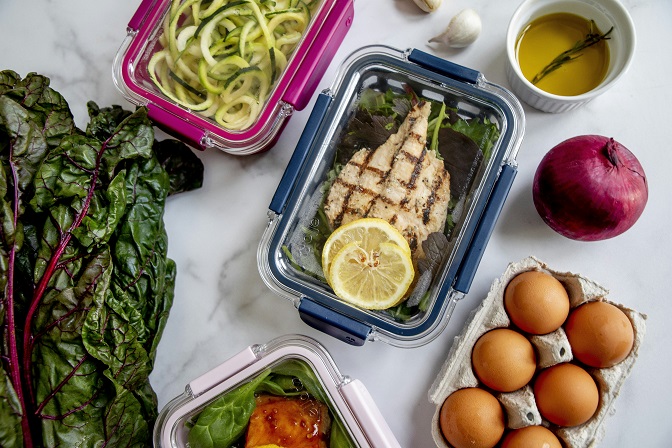
Meal Prep Basics refers to the process of planning and preparing meals ahead of time, which generally involves cooking in bulk and portioning meals into containers for later consumption. This practice has gained popularity due to its numerous benefits for both health and time management. By engaging in meal prep, individuals can easily maintain a balanced diet, as it encourages the inclusion of various food groups and portion control, thereby reducing the temptation of unhealthy eating habits.
One of the major advantages of meal prep is its ability to save time. By dedicating a few hours each week for preparation, individuals can eliminate the daily stress of deciding what to eat and avoid the chaos of last-minute cooking. This foresight aids in maintaining consistency in one’s dietary choices and reduces the chances of resorting to takeout or fast food, which is often less nutritious.
To start meal prepping effectively, certain tools and storage solutions are necessary. Investing in quality containers is crucial; look for options that are microwave-safe, BPA-free, and portion-controlled. Glass containers are often recommended for their durability and safety in heating. Additionally, a good set of kitchen utensils, such as knives and cutting boards, will simplify the preparation process. Measuring cups and spoons can help with portion sizes, and labels can be applied to containers to keep track of what meals are prepared and their expiration dates.
Incorporating meal prep into one’s routine not only fosters healthier eating habits but also promotes better time management and organization in the kitchen. Whether you are a busy professional, a student, or a parent, the art of meal prepping can be seamlessly tailored to fit various lifestyles, making it an invaluable practice for anyone seeking to improve their diet.
Planning Your Weekly Menu
Creating a balanced and varied meal plan for the week is essential for maintaining a healthy lifestyle. To begin, consider the nutritional needs of all family members or individuals involved. Aim for a diverse array of food groups: proteins, whole grains, fruits, vegetables, and healthy fats. Utilizing a variety of recipes not only helps in meeting these nutritional requirements but also keeps meals interesting throughout the week.
When selecting recipes for your meal prep, focus on placing emphasis on seasonal ingredients. Seasonal produce is often fresher, more flavorful, and cost-effective. You might browse local farmers markets or grocery store flyers to see what’s in season. Incorporating these ingredients into your weekly menu will enhance the taste and nutritional value of your meals.
Portion sizes also play a crucial role in meal planning. Ensuring that you are preparing appropriate servings can prevent overeating and reduce food waste. A good rule of thumb is to use measuring tools or portion control containers, which can help regulate serving sizes especially for calorically dense foods like grains and fats.
Batch cooking is another efficient strategy that can be employed during meal prep. Choosing a day of the week, such as Sunday, allows you to prepare multiple servings of staple foods—such as quinoa, brown rice, roasted vegetables, or proteins—at once. After batch cooking, you can store these items in your refrigerator or freezer to create simple, varied meals throughout the week. Mixing and matching these batch-cooked components with different sauces and seasonings can contribute to meal variety without requiring extensive daily cooking.
In summary, by thoughtfully planning your weekly menu, focusing on seasonal produce, monitoring portion sizes, and implementing batch cooking, you can streamline the meal prep process while ensuring a nutritionally balanced diet for the week ahead.
Healthy Recipe Ideas for Meal Prep
Meal prepping is an effective way to ensure that you have nutritious and balanced meals ready throughout the week. Incorporating whole, nutrient-dense ingredients into your meal prep can help you maintain a healthy lifestyle. Below are various healthy recipe ideas suitable for breakfast, lunch, dinner, and snacks, addressing different dietary preferences including vegetarian, vegan, and gluten-free options.
Breakfast: Start your day right with overnight oats. Combine rolled oats with almond milk or yogurt, chia seeds, and your choice of fruits or nuts. Store the mixture in jars for a quick grab-and-go breakfast. Alternatively, consider egg muffins made by whisking eggs with vegetables such as spinach, bell peppers, and mushrooms. Bake them in muffin tins for a protein-packed breakfast that can be easily reheated.
Lunch: For lunch, a quinoa salad is a great option. Mix cooked quinoa with black beans, corn, diced tomatoes, and cilantro, drizzled with lime dressing for a zesty meal. Chickpea salads tossed with cucumber, red onion, and a lemon-tahini dressing provide an excellent vegan option. Both dishes can be cooked in batches and stored in airtight containers to maintain freshness.
Dinner: When it comes to dinner, roasted vegetables paired with baked chicken or tofu can be a fulfilling meal. Toss vegetables such as zucchini, carrots, and bell peppers in olive oil, season, and roast until tender. Serve with a side of whole grain rice or sweet potatoes. For a plant-based alternative, lentil curry can be prepared in bulk, simmered with coconut milk, diced tomatoes, and spices, providing a comforting and healthy dish.
Snacks: For nutritious snacks, consider packing cut fruits and vegetables along with hummus or guacamole. Energy bites made of oats, nut butter, and honey are easy to make and perfect for satisfying cravings between meals.
Utilizing these healthy meal prep ideas can greatly simplify your week and foster better dietary habits. Every recipe supports batch cooking methods, ensuring that you can enjoy wholesome meals with minimal effort.
Storage and Reheating Tips
Proper storage and reheating of your Meal Prep Basics are crucial steps in ensuring the longevity and safety of your meals. To begin with, it is important to cool your meals quickly before storage. Letting cooked food sit at room temperature for more than two hours can create an environment conducive to bacteria growth, which can lead to foodborne illnesses. To expedite cooling, consider dividing larger portions into smaller, shallow containers. This increases the surface area and allows heat to dissipate more rapidly.
Once the food has cooled sufficiently, it can be stored in the refrigerator or freezer. For refrigerated meals, use airtight containers or resealable bags to minimize exposure to air, which can lead to spoilage. Meals stored in the fridge should ideally be consumed within 3 to 4 days. For longer storage, freezing meals is an effective method. When preparing meals for freezing, make sure to label your containers with the date and contents, as this will help track freshness and aid in meal planning.
Reheating is another important aspect of meal prep that directly impacts the taste and texture of the food. When reheating meals, aim to heat them to an internal temperature of 165°F (74°C) to ensure they are safe to consume. There are multiple reheating methods available, including stovetop, microwave, and oven. Each method has its advantages; for example, the stovetop helps retain moisture, while the oven can enhance crispness for foods like casseroles. Always cover your food during reheating to promote even heat distribution and prevent dryness.
By following these storage and reheating tips, you can enjoy your meal preps while minimizing waste and maintaining quality.