
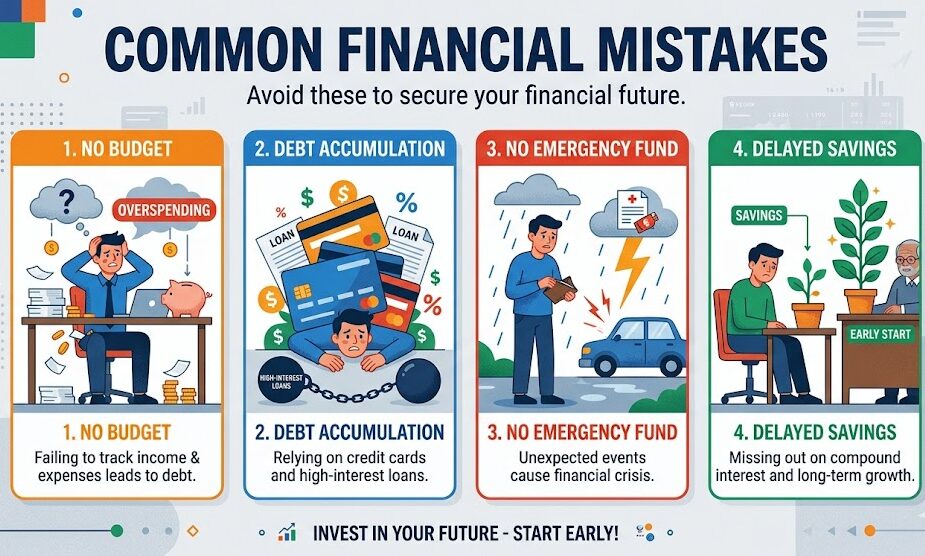
In the financial landscape of today, young adults in their 20s are frequently confronted with numerous choices that can significantly impact their future. Budgeting emerges as a pivotal tool in this regard. By crafting a budget, individuals create a clear view of their income versus expenses, enabling them to make informed decisions about their spending habits. Without effective budgeting, it becomes all too easy to fall into the trap of overspending, which can lead to unnecessary debt or financial turmoil.
The Role of Financial Planning
Broadening the scope to financial planning, this practice involves outlining both short-term and long-term financial goals. Establishing such goals provides direction and motivation, helping individuals to envision their financial future. In your 20s, life-changing events such as education expenses, purchasing a vehicle, or even saving for a home are pertinent. Financial planning facilitates not just foresight, but also a structured approach to achieving these aspirations.
Creating and Tracking a Budget
To effectively manage finances, young adults should first create a budget that categorizes their income and expenses. There are several budgeting methods available, such as the 50/30/20 rule, which suggests allocating 50% of income to needs, 30% to wants, and 20% to savings. Whatever method is chosen, the key is to track expenses regularly. By leveraging budgeting apps or simple spreadsheets, one can easily monitor spending patterns, allowing for necessary adjustments over time.
Establishing a Financial Foundation
Ultimately, the combination of budgeting and financial planning lays down a solid financial foundation for young adults. By fostering healthy financial habits and making informed decisions based on a clear understanding of their monetary situation, individuals can successfully navigate their 20s. This proactive approach not only alleviates the stress associated with financial uncertainty but also cultivates a sense of financial awareness and empowerment that will benefit them throughout their lives.
Accumulating Credit Card Debt
In today’s consumer-driven society, it is remarkably easy for individuals in their 20s to accumulate credit card debt. The convenience of credit cards often leads young adults to make impulsive purchases, resulting in a financial trap that can have long-lasting implications. Living beyond one’s means becomes a common tendency, as immediate gratification overshadows financial prudence.
One of the primary dangers of credit card use is the burden of high-interest rates. When balances are not paid in full each month, they can quickly escalate due to accumulating interest, making it increasingly difficult to regain control of one’s finances. This cycle can create a significant impact not only on current financial stability but also on future opportunities, such as obtaining loans for a car or a home. A poor credit history stemming from unpaid debt can lead to higher interest rates or loan rejections.
To manage credit cards responsibly, implementing a budget is crucial. A comprehensive budget helps individuals track their income and expenses, allowing for effective allocation of funds towards debt repayment. It is advisable to pay off the full balance monthly whenever possible to avoid interest charges. If carrying a balance is unavoidable, prioritizing payments on the card with the highest interest rate can be a stimulating strategy.
Understanding credit scores is equally important. Young adults should be aware that credit scores are influenced by factors such as payment history, credit utilization, and account age. A high credit score typically translates to better financial opportunities in the future. Educating oneself about maintaining a healthy credit score is vital in mitigating the risks associated with credit card debt.
Failing to Save for Emergencies
In the current economic climate, having a financial cushion is more critical than ever, especially for individuals in their 20s. Unfortunately, many young adults overlook the importance of an emergency fund, which serves as a buffer against unexpected expenses such as medical emergencies, car repairs, or job loss. Establishing a dedicated savings account for emergencies can help mitigate the financial strain during such unforeseen events.
To determine the right amount to save, financial experts typically recommend aiming for three to six months’ worth of living expenses. This amount can vary depending on individual circumstances, such as job stability or existing financial obligations. For instance, those with fluctuating incomes, such as freelancers, may want to target the higher end of that spectrum, while those with steady employment might find a smaller reserve adequate.
One effective strategy for building your emergency fund is to automate your savings. By setting up automatic transfers from your checking account to your emergency savings account every month, you cultivate a disciplined saving habit without having to remember it actively. This proactive approach ensures that saving becomes a regular part of your financial routine, rather than an afterthought.
When deciding where to keep your emergency fund, it is advisable to choose an account that offers easy access while providing some interest. High-yield savings accounts or money market accounts can be suitable options, as they typically offer higher interest rates than regular savings accounts while maintaining liquidity. Moreover, it is essential to resist the temptation to dip into this fund for non-emergencies, as doing so can undermine its primary purpose.
Neglecting Retirement Savings
Beginning to save for retirement in your 20s is an essential financial strategy that can yield significant benefits over time. One of the core concepts to understand is the power of compound interest. When you save money, the interest earned begins to contribute to your total savings, and over time, this compounding effect can lead to substantial growth in your retirement fund. For instance, if you invest a small amount early, the interest accrued on your investments can significantly increase due to the compounding effect, allowing you to accumulate wealth without needing to invest large sums later in life.
There are various retirement account options available for young adults, the most common being 401(k)s and Individual Retirement Arrangements (IRAs). A 401(k) plan is typically offered through your employer and can include contributions from your employer, often in the form of matching funds. Taking full advantage of this employer match is crucial, as it provides you with free money, increasing your savings with minimal effort. For instance, if your employer matches 50% of your contributions up to a certain percentage, maximizing your contributions ensures you are receiving the full benefit of that match, which can substantially enhance your retirement savings.
On the other hand, if you opt for an IRA, you have the flexibility to manage your investments more independently. There are two main types of IRAs: Traditional and Roth. Each offers unique tax advantages that can further benefit your financial planning. A Traditional IRA allows you to make tax-deductible contributions, potentially lowering your taxable income in the present. Conversely, a Roth IRA involves after-tax contributions, allowing for tax-free withdrawals in retirement. Choosing the right retirement account depends on your current income, future projections, and financial goals.
In summary, beginning to save for retirement in your 20s is essential for securing your financial future. The earlier you start saving, budgeting greater the benefits of compound interest, and utilizing employer matching programs can maximize your contributions. Understanding the various retirement account options available and their respective advantages prepares you for a more prosperous retirement.