
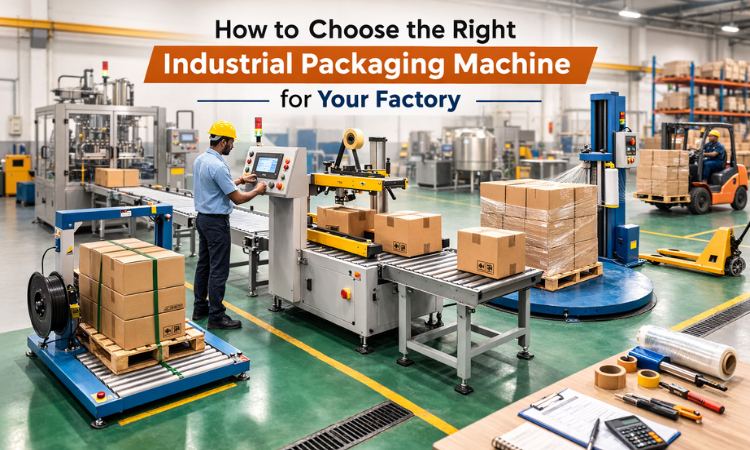
Walk through a modern factory floor and you’ll notice something different from ten years ago. The rows of workers hand-filling bags, scooping powder into containers, and manually sealing packages are disappearing — replaced by humming machines that never take a break, never miscalculate a fill weight, and never call in sick.
This isn’t a dramatic headline. It’s a quiet, steady shift that’s reshaping how manufacturers operate — and the numbers behind it are hard to ignore.
The Real Cost of Manual Packaging
For years, labor-intensive packaging seemed like the affordable option, especially for small and mid-size manufacturers. But the math has changed. When you factor in wages, training turnover, workers’ compensation, and the cost of inconsistent output — under-filled bags, product waste, rejected shipments — manual packaging becomes expensive fast.
A mid-size powder processing facility, for example, might employ eight to twelve workers just for bagging operations across two shifts. Add supervision, benefits, and overtime during high-demand periods, and the annual labor cost for that single function can easily exceed $300,000. And that’s before accounting for human error on the line.
What Automation Actually Looks Like
Modern automated powder bagging machines are a far cry from the clunky, single-purpose equipment of previous decades. Today’s systems handle everything from weighing and filling to sealing and labeling — and they do it at speeds manual teams simply can’t match.
A well-configured automatic bagging line can fill 800 to 1,800 bags per hour, depending on the material and bag type. For products like flour, cement, animal feed, or chemical powders, that kind of throughput changes the economics of the entire operation. What used to require a full team can now be managed by one or two operators monitoring the system.
The Consistency Factor
Speed is only part of the story. Consistency is where automated systems pay for themselves over and over again.
In industries with strict fill-weight regulations — food, pharma, chemicals — even a small deviation per bag multiplies into significant losses at scale. A machine calibrated to fill 25kg bags with ±0.1% tolerance does that reliably, shift after shift. That kind of precision isn’t achievable manually, at least not sustainably.
Is Automation Right for Every Factory?
Not every operation is ready to automate overnight. The economics make the most sense for facilities running consistent SKUs at reasonable volumes — typically 200 bags per hour or more. For smaller or highly variable operations, semi-automatic equipment often bridges the gap without the full capital commitment.
The barrier to entry has also dropped. Manufacturers increasingly offer remote commissioning, modular designs that fit into existing lines, and direct sales models that cut out distributor markups.
The factories making this shift aren’t abandoning their workforce overnight. Many are redeploying workers to quality control, machine monitoring, and higher-skill tasks. The floor looks different — but often functions better.
For operations still weighing the decision, the real question isn’t whether automation will eventually make sense. It’s whether waiting another five years still does.