
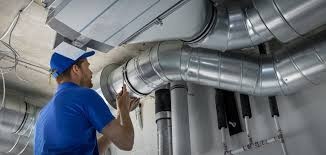
Proper insulation is a cornerstone of maintaining comfortable indoor temperatures while minimizing energy consumption. Homes and commercial buildings rely on heating and cooling systems to regulate indoor climate, but without adequate insulation, even the most advanced HVAC systems can struggle to operate efficiently. Insulation serves as a barrier that slows heat transfer, keeping warmth inside during the winter months and preventing excessive heat from entering during the summer. Its effectiveness directly impacts energy bills, system longevity, and overall indoor comfort. Understanding the significance of insulation can transform the way buildings maintain climate control.
Why Insulation Matters for Efficiency and Comfort
- Enhancing System Efficiency
A well-insulated structure reduces the demand on HVAC units, allowing them to maintain set temperatures with less effort. When walls, attics, and floors are properly insulated, heat loss in cold months decreases, and indoor spaces stay warmer for longer without overworking the furnace. Likewise, during warmer months, insulation prevents excessive heat from infiltrating interior spaces, easing the burden on air conditioning units. Facilities that lack sufficient insulation often experience uneven heating or cooling, forcing systems to cycle more frequently and consume more energy. Essential Heating and Air of Auburn, WA emphasizes that integrating insulation with modern HVAC practices can extend equipment life and decrease energy costs, proving that insulation is not just an accessory but an essential component of efficient climate management.
- Maintaining Comfortable Indoor Temperatures
One of the most noticeable benefits of insulation is its ability to stabilize indoor temperatures. In poorly insulated spaces, cold air can seep through walls, ceilings, and floors, while heat from outside may infiltrate during summer months. This results in rooms feeling drafty or uncomfortably warm, even when heating or cooling systems are running. Insulation mitigates these fluctuations, creating a more consistent and comfortable environment throughout a home or commercial building. This balance not only improves comfort but also enhances workplace productivity and home quality of life, as individuals are less affected by extreme indoor temperature variations. Furthermore, consistent temperature regulation helps reduce strain on heating and cooling equipment, preventing wear and tear from frequent cycling.
- Reducing Energy Consumption and Costs
The financial impact of insulation cannot be overstated, as it directly affects energy consumption and utility bills. Heating and cooling systems in inadequately insulated buildings must work harder to maintain target temperatures, resulting in higher electricity or gas usage. Insulation reduces the amount of energy needed by providing a thermal barrier, which keeps conditioned air within living or working spaces for longer periods. Homeowners and businesses alike benefit from lower energy bills and reduced demand on local energy grids. Additionally, improved insulation can lead to fewer repairs and replacements over time, as HVAC units are less likely to overheat or cycle excessively. By investing in high-quality insulation, building owners can achieve long-term savings while simultaneously promoting a more sustainable approach to energy usage.
- Improving Indoor Air Quality
Insulation also helps maintain indoor air quality by preventing the infiltration of dust, allergens, and pollutants. Gaps or cracks in walls and ceilings allow outside contaminants to enter living and working spaces, potentially aggravating allergies or respiratory conditions. Additionally, insulation helps regulate humidity levels by controlling temperature gradients, which can prevent the growth of mold and mildew. When heating and cooling systems operate in tandem with well-insulated spaces, air distribution becomes more uniform and cleaner. By addressing both energy efficiency and indoor air conditions, insulation demonstrates its multifaceted value in optimizing overall HVAC performance.
- Supporting Long-Term System Durability
A key advantage of well-maintained insulation is the extended lifespan it provides for heating and cooling systems. HVAC equipment that operates under consistent conditions and with minimal strain experiences fewer mechanical issues over time. When insulation prevents heat loss in winter or excessive heat gain in summer, systems cycle less frequently and maintain stable performance. This reduces the likelihood of breakdowns and costly repairs, allowing units to serve their intended lifespan more effectively. Building owners can also avoid the frequent replacement of components such as compressors and furnaces, which are often stressed by poorly insulated structures. It emphasizes that insulation is not only a preventive measure but also an investment in system durability and long-term building comfort.
- Environmental Impact and Sustainability
The environmental benefits of insulation are closely linked to energy efficiency and responsible resource management. Reduced energy consumption leads to lower greenhouse gas emissions and a smaller carbon footprint for buildings. Homes and commercial spaces with effective insulation contribute less to energy demand, easing pressure on power-generation infrastructure and promoting sustainability. Choosing insulation materials with environmentally friendly properties, such as recycled content or low-VOC emissions, further enhances these benefits. By combining energy-efficient heating and cooling practices with sustainable insulation solutions, buildings can operate responsibly while maintaining comfort. This dual impact demonstrates that insulation not only optimizes system performance but also supports broader environmental goals.
- Enhancing Noise Reduction
In addition to thermal regulation, insulation can improve acoustic comfort within a building. Certain types of insulation materials, such as fiberglass or mineral wool, help absorb sound waves, reducing noise from external sources or between rooms. This creates a quieter, more peaceful environment, which can be especially valuable in residential areas, offices, or commercial spaces where concentration is important. By controlling both temperature and sound, insulation contributes to a more pleasant living and working experience. Noise reduction also prevents HVAC units from amplifying existing sounds through poorly insulated walls or ceilings, thereby further enhancing occupant comfort. In this way, insulation provides a secondary benefit that complements its thermal and energy-saving properties, adding to the overall value of integrating proper insulation with heating and cooling systems.
Insulation is a critical component in the effective operation of heating and cooling systems, influencing comfort, energy consumption, system longevity, and indoor air quality. By preventing heat loss and heat gain, it allows HVAC units to operate more efficiently, reducing energy bills and mechanical stress. Whether through comprehensive installation or incremental upgrades, investing in insulation provides tangible and long-term benefits for both residential and commercial spaces. Buildings that prioritize insulation experience improved performance, reduced operating costs, and a more comfortable indoor environment, demonstrating that insulation’s role extends far beyond simple temperature control. Its presence is indispensable in optimizing the effectiveness and efficiency of any heating or cooling system.