
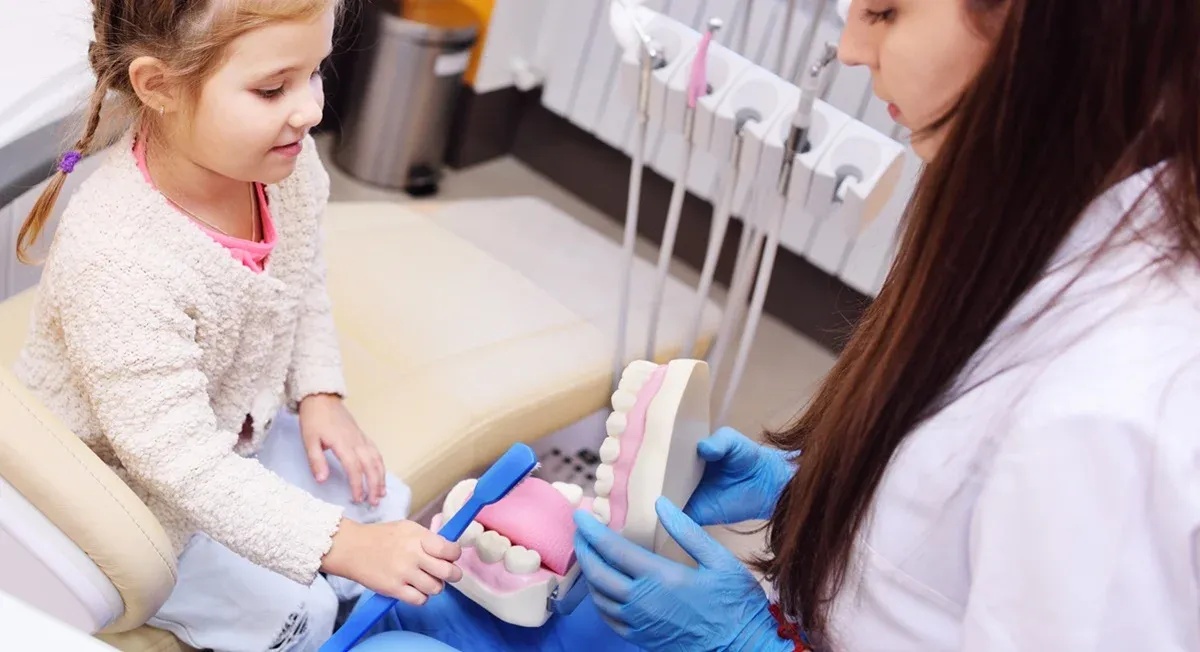
A child’s first experiences with dental care can influence far more than a single checkup. Early visits often set the tone for how children respond to brushing, flossing, food choices, and routine care as they grow. When dental appointments begin early, children are more likely to see oral care as a normal part of life rather than something associated with fear or discomfort. That early familiarity can reduce anxiety, strengthen trust, and help parents build daily routines with less resistance. Over time, these small moments create patterns that can follow children into adolescence and adulthood.
Habits Start Early
- Building Comfort Before Problems Begin
When children visit the dentist early, the appointment often feels less threatening because it is not linked to pain, emergency treatment, or visible damage. A calm first visit gives them a chance to meet the dental team, sit in the chair, hear new sounds, and learn what happens during an exam without feeling overwhelmed. That kind of introduction matters because children tend to remember emotional experiences more than technical details. If the first memory is steady and reassuring, future appointments are more likely to feel manageable.
Parents also benefit from these early visits because they receive guidance on brushing methods, thumb-sucking concerns, teething patterns, fluoride use, and how diet affects developing teeth. Instead of waiting until a cavity appears, families can adjust routines before unhealthy habits settle in. This early coaching can make toothbrushing less of a daily struggle and more of a shared routine with a clear purpose. A child who hears the same message from both a parent and a dental provider often begins to understand that oral care is not random household pressure but a normal responsibility. That repeated reinforcement turns dental care into a familiar rhythm rather than an occasional reaction to trouble.
- Daily Routines Take Shape at Home
Long-term oral health habits do not begin in the dental chair alone. They are formed in bathrooms before school, after sugary snacks, and during bedtime routines when children decide whether brushing is important or easy to skip. Early dental visits support these moments by giving children a reason to connect daily actions with real outcomes. When they hear age-appropriate explanations about plaque, sugar, and strong teeth, those ideas begin to shape their choices. Brushing stops being an abstract command and starts becoming something they understand.
This is also the stage when parents learn how much their own behavior influences consistency. A child is more likely to cooperate when brushing feels like a normal family activity rather than a punishment at the end of the day. Conversations started during early dental visits can help parents use more encouraging language, create predictable routines, and notice small warning signs before they grow into larger concerns. In many families, Pediatric Dentists in Denver become part of that wider conversation about creating healthier routines from the start. Over time, repeated routines help children develop a sense of ownership. They begin to expect clean teeth, recognize when their mouth feels uncomfortable, and understand that care is something they participate in rather than avoid.
- Early Guidance Shapes Future Decisions
As children grow, the value of early dental care often becomes even more visible. A child who has already developed trust in routine checkups may be more willing to speak up about tooth sensitivity, ask questions about braces, or take advice seriously during the years when independence starts to grow. These later decisions are rarely made in isolation. They are influenced by earlier experiences that taught the child whether dental care is supportive, routine, and worth paying attention to.
Early visits also help families understand prevention as an ongoing process instead of a one-time fix. Children who grow up hearing about oral hygiene, diet, and regular monitoring are often better prepared to understand how oral health connects to speech, sleep, comfort, appearance, and confidence. They may become more mindful of habits like frequent snacking, chewing ice, or neglecting nighttime brushing because they have already learned that small actions can have lasting effects. This shift in thinking is important. It moves oral health out of the category of occasional treatment and into the category of daily self-care. Once that mindset becomes familiar in childhood, it can remain steady through many stages of life, even as routines, schools, and responsibilities change.
Lasting Lessons Beyond the Dental Chair
Early dental visits do more than check for cavities. They introduce children to a pattern of care that can shape how they think about health, responsibility, and routine for years. When appointments begin early and occur consistently, children are more likely to develop comfort, trust, and habits that feel natural rather than forced. Parents gain useful guidance, children gain confidence, and daily oral care becomes easier to reinforce at home. Those early appointments may seem small at the moment. Still, they often help lay a foundation for healthier choices, calmer visits, and a steadier relationship with oral care over time.