
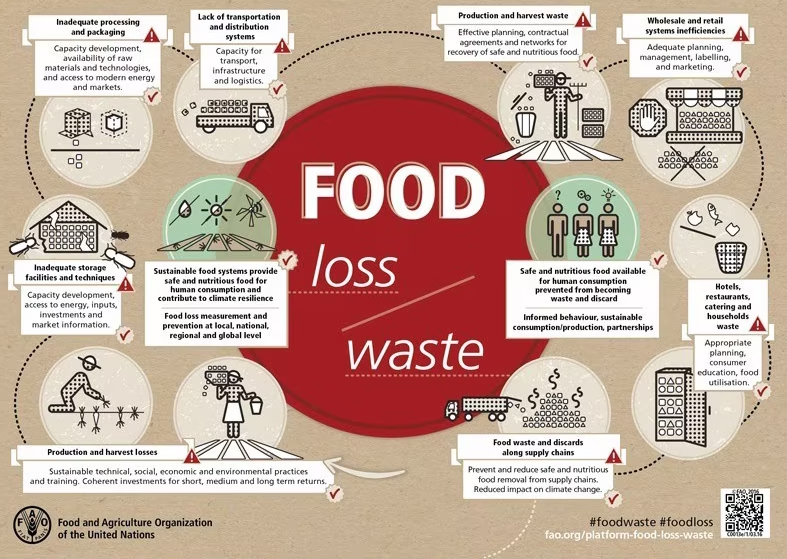
Food waste is an issue that sneaks up on us daily, often overlooked in our busy lives. It’s easy to toss out leftovers or let produce sit too long in the fridge, but have you ever stopped to think about the bigger picture? Each discarded meal represents not just a loss of food, but also precious resources like water and energy. As we dig deeper into this pressing global problem, you’ll discover how food waste affects our planet, economy, and even our communities. It’s time to shine a light on this invisible crisis and explore ways each of us can make a difference. After all, every bite counts!
The impact of food waste on the environment
Food waste poses a significant threat to our environment. When uneaten food ends up in landfills, it decomposes and produces methane, a greenhouse gas far more potent than carbon dioxide. This contributes directly to climate change. Additionally, the resources used in food production—water, energy, and labor—are wasted when food is discarded. For instance, it takes around 1,800 gallons of water to produce just one pound of beef. When that meat is thrown away, all that precious water goes down the drain too. Moreover, biodiversity suffers as agricultural practices expand to meet rising demand for food that ultimately gets wasted. Natural habitats are destroyed for farmland while we overlook the importance of responsible consumption. Addressing food waste is crucial not only for reducing landfill overflow but also for preserving our planet’s delicate ecosystems and resources. Every bite matters in this ongoing crisis affecting our shared home.
The economic cost of food waste
Food waste represents a staggering economic burden on global economies. It’s not just about throwing away leftovers; it encompasses the entire supply chain from production to consumption. In developed countries, consumers toss out vast amounts of food due to overbuying or misreading expiration dates. This behavior leads to millions spent annually on wasted groceries. For farmers and producers, unsold goods contribute to lost investments in labor, resources, and transportation. The financial impact extends beyond immediate losses; it also hampers future growth opportunities in agriculture. This waste affects low-income communities as well. When edible food is discarded, it means missed chances for feeding those who struggle with hunger. Addressing food waste isn’t merely an environmental concern—it’s an economic necessity that demands our attention now more than ever.
Reasons for food waste
Food waste often stems from a variety of factors. One major issue is over-purchasing. Many consumers buy more than they need, leading to spoilage. Misunderstanding expiration dates also plays a role. People frequently discard perfectly good food just because it has reached its “best by” date. Portion sizes contribute significantly as well. Restaurants and households alike serve portions that are too large, resulting in leftover food that ends up in the trash. Additionally, aesthetic standards affect what makes it to our plates. Fruits and vegetables may be discarded simply for being misshapen or blemished, despite their nutritional value. Lack of planning can lead to food waste at home. Without meal prep or shopping lists, items often get forgotten until it’s too late to consume them. These reasons all intertwine to create a significant global challenge with food waste.
Solutions to reduce food waste
Reducing food waste requires a multi-faceted approach. One effective solution is meal planning. By organizing your meals for the week, you can buy only what you need and avoid impulse purchases. Another powerful strategy is proper storage. Understanding how to store fruits and vegetables can significantly extend their shelf life. For example, keeping apples in the fridge slows down ripening. Educating ourselves about expiration dates also makes a difference. Many people confuse “sell by” with “use by.” Knowing the difference helps us use food before it goes bad. Participating in local food-sharing programs can further reduce waste. These initiatives allow surplus food from restaurants or households to reach those in need rather than ending up in landfills. Composting organic waste not only minimizes landfill contributions but enriches soil too, creating a sustainable loop that benefits both gardens and communities.
The role of individuals in reducing food waste
Individuals play a crucial role in tackling food waste. Small changes at home can lead to significant impacts. Start by planning meals before grocery shopping. This simple step helps avoid impulse buys and ensures you only purchase what you need. Storing food properly is essential too. Learn how to keep fruits and vegetables fresh longer, reducing spoilage rates significantly. Be mindful of portion sizes when cooking or serving meals. Leftovers can be delicious if transformed into new dishes or enjoyed as next-day lunches. Engaging with local communities can amplify your efforts. Participate in food-sharing programs or community gardens that promote the use of surplus produce. Educating yourself and others about the importance of reducing food waste creates a ripple effect, inspiring collective action for a sustainable future.
Conclusion and call to action
Food waste is a pressing global issue that affects us all. As we continue to produce and discard food at alarming rates, it’s crucial for individuals and communities to take action. The environmental impact alone should compel each of us to reconsider our habits. By recognizing the economic costs associated with wasted resources, we can make informed choices in our daily lives. We have the power to change how we handle food, from purchasing decisions to meal planning and storage techniques. Simple shifts like buying only what you need or composting can significantly reduce waste. Education plays a vital role too; sharing knowledge about managing leftovers or understanding expiration dates can help others join the cause. You don’t have to be an environmentalist or economist to contribute positively. Every small step counts—whether it’s in your kitchen or within your community. Let’s embrace this challenge together by committing ourselves not just to reducing food waste but also spreading awareness about its consequences. Join the movement today! Share tips with friends, volunteer at local food banks, and advocate for better policies around food production and distribution. Together, we can turn the tide on this global crisis and foster a more sustainable future for everyone.