
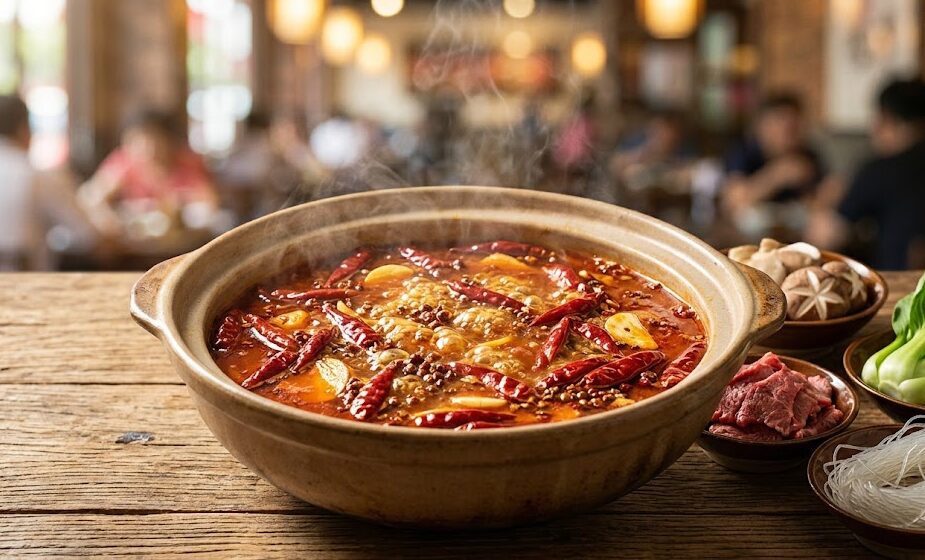
Spicy food captivates taste buds around the globe, igniting passion and excitement with every bite. From fiery curries to zesty salsas, it’s a culinary adventure that draws millions in. The allure of spice goes beyond mere flavor; it’s an experience that tantalizes senses and sparks joy. Whether you’re a fan of a gentle heat or crave intense fiery flavors, spicy food has something for everyone. But what is it about these bold dishes that keeps us coming back for more? Let’s dive into the world of spice and uncover why they hold such a special place in our hearts—and on our plates.
The science behind why people love spicy food
The thrill of spicy food goes beyond mere taste. When you bite into a fiery pepper, your brain registers pain. This triggers the release of endorphins, those feel-good chemicals that create a rush akin to euphoria. This chemical reaction explains why many seek out the heat. It becomes addictive in a way, where each experience builds anticipation for the next fiery encounter. Interestingly, cultural factors influence our spice preferences as well. What might be considered over-the-top hot in one region could be delightful in another. Your body also adapts over time; frequent consumers may develop a higher tolerance to heat levels. Spicy food can even enhance your sense of flavor overall, making meals more enjoyable and memorable. The science behind it showcases how complex our palate truly is and why we keep reaching for that extra kick on our plates.
Health benefits of eating spicy food
Spicy food isn’t just a thrill for your taste buds; it comes with several health benefits too. Capsaicin, the compound that gives chili peppers their heat, has been linked to improved metabolism. This means you could burn more calories just by enjoying those fiery dishes.
Additionally, spicy foods may boost heart health. Studies suggest that capsaicin can lower blood pressure and improve circulation. A healthy heart is essential for overall well-being. Eating spicy meals also promotes better digestion. They may help increase gastric juices and aid in breaking down food efficiently. Moreover, spices like turmeric contain anti-inflammatory properties. Regular consumption can play a role in reducing chronic inflammation in the body. Indulging in spicy food triggers endorphin release—those feel-good hormones that elevate mood and create a sense of euphoria while eating flavorful dishes.
Different types of spices and their origins
Spices add flavor, color, and aroma to dishes around the world. Each spice carries a story of its origins that reflects cultural traditions. Black pepper, often called the “king of spices,” hails from India’s Malabar Coast. Its pungent taste has made it a staple in kitchens globally. Chili peppers originated in Central and South America. They were introduced to Europe by explorers in the 16th century, revolutionizing cuisine across continents with their fiery heat. Saffron is another fascinating spice derived from the flower of Crocus sativus. Harvested primarily in Iran and Spain, its delicate strands are prized for both flavor and vibrant hue. Cinnamon comes from the inner bark of Cinnamomum trees found mainly in Sri Lanka. Its warm sweetness enhances both sweet and savory dishes alike. Turmeric is deeply rooted in Indian culture, offering a golden touch along with health benefits. This versatile spice adds not only flavor but also beautiful color to meals worldwide.
Cultural significance of spicy food
Spicy food is woven into the fabric of many cultures around the world. It often symbolizes warmth, hospitality, and celebration. From family gatherings to community festivals, spices enhance communal meals that bring people together. In countries like India and Mexico, spice blends are not just for flavor; they carry stories of history and tradition. Each region has its signature heat levels and spice combinations that reflect local ingredients and culinary practices. Moreover, spicy dishes can signify social status or regional pride. In some cultures, the ability to handle heat becomes a rite of passage or a source of identity among locals. The ritualistic aspect also plays a role—dishes prepared with love and care become part of cultural heritage passed down through generations. This makes spicy food more than sustenance; it’s an experience rich in meaning and connection.
Tips for incorporating more spice into your diet
Start by adding a pinch of heat to your favorite dishes. A sprinkle of chili flakes can transform pasta or pizza into something exciting. Try experimenting with different peppers. Jalapeños, serranos, and habaneros all offer unique flavors and varying levels of heat. Incorporate them into salsas or stuff them for an extra kick. If you’re not ready to dive headfirst into fiery meals, begin with milder spices like paprika or black pepper. Gradually increase the intensity as your palate adjusts. Don’t overlook sauces and marinades. Sriracha, harissa, or hot sauce can elevate grilled meats and vegetables effortlessly. For breakfast lovers, mix some cayenne pepper into eggs or avocado toast for a spicy start to your day. Explore global cuisines known for their bold flavors—Indian curries, Thai soups, or Mexican dishes will inspire creativity while pleasing your taste buds.
Conclusion:
Spicy food has carved its niche in the hearts and palates of people around the world. With a blend of flavor, excitement, and health benefits, it’s no wonder that millions savor those fiery dishes. The science behind our love for spice reveals intriguing insights into human behavior and physiology. From boosting metabolism to enhancing mood, spicy foods offer more than just heat; they pack nutritional advantages as well. Different spices tell stories through their origins—each bringing unique flavors from diverse cultures. Whether it’s Indian curry or Mexican salsa, these cuisines celebrate the art of spiciness. Incorporating spice into your meals can be an adventure worth exploring. A dash here or a sprinkle there can elevate everyday dishes to culinary delights. Embracing this zestful journey not only enhances taste but also enriches life experiences shared over meals. The allure of spicy food continues to grow globally, making it an exciting topic worthy of exploration on every dining table. So why not dive deeper into this colorful world? Savor the burn; there’s so much more waiting for you to discover!