
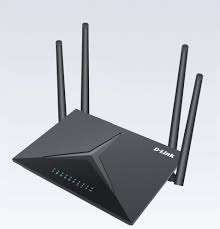
There is a defining moment every Kenyan business owner or homeowner eventually faces. The internet slows down. Calls drop. Files refuse to upload. And someone, somewhere in the office, says what everyone is already thinking: “We need a better router.”
That is when the real confusion starts. You search “WiFi router price in Kenya” online. You find prices ranging from Ksh 2,000 to Ksh 80,000. You wonder what the difference is. And perhaps more importantly, you wonder whether paying more actually means getting more.
Why WiFi Router Prices in Kenya Vary So Much
Not all routers are built for the same purpose. A router meant for a one-bedroom apartment will struggle in a busy office with 30 connected devices. And a router designed for enterprise use is overkill for a student browsing at home. Understanding what drives WiFi router price in Kenya starts with knowing which category you actually fall into.
The price difference comes down to a few things:
- Coverage area: Budget routers cover 20 to 30 metres. Enterprise routers can cover entire floors.
- Speed standards: Older WiFi 5 routers are cheaper. Newer WiFi 6 routers cost more but handle heavy traffic better.
- Number of connected devices: Entry-level routers handle 5 to 15 devices. Business-grade routers manage 50 or more without slowing down.
- Security features: Corporate routers include firewall management, VPN support, and guest network controls.
- Brand reliability: Trusted brands like Ubiquiti, Cisco, TP-Link, and MikroTik command higher prices because of proven performance and warranty support.
Understanding these differences saves you from overspending on features you will never use, or worse, underspending and watching your network collapse during a critical meeting.
WiFi Router Price Ranges in Kenya (2026)
Here is a general breakdown of what to expect when shopping in the Kenyan market.
Budget Routers (Ksh 2,000 to Ksh 6,000)
These are basic home routers, mostly suited for light browsing, streaming on one or two devices, and small households. Brands like TP-Link and D-Link dominate this range. Performance is acceptable for low-demand users, but do not expect much under pressure.
Mid-Range Routers (Ksh 6,500 to Ksh 20,000)
This is where things get more interesting. Routers in this range support dual-band connections, handle more devices, and offer better range. They work well for medium-sized homes and small offices with up to 20 users. TP-Link Archer series and Netgear models are popular here.
Business and Enterprise Routers (Ksh 20,000 to Ksh 80,000+)
Routers in this category are built for consistent performance under load. Ubiquiti UniFi, Cisco, and MikroTik are the go-to names for businesses in Kenya. They support advanced configurations, higher user counts, and come with management dashboards that IT teams appreciate.
What Most Buyers Get Wrong
A surprisingly common mistake is choosing a router based on internet speed alone.
Your ISP may offer 20 Mbps. You buy a cheap KSh 3,000 router. It technically supports that speed. But the moment three people stream videos while someone else joins a video call, everything crawls. The problem is not your internet plan. The problem is that the router cannot distribute traffic properly.
Speed on paper and real-world performance are different things. Always check the router’s rated simultaneous connections and QoS (Quality of Service) settings before buying.
Business Use: What to Look For
For offices, schools, or multi-floor setups, the requirements shift considerably. You need a router or access point system that can handle high device density without performance drops.
Key things to evaluate:
- PoE support: Allows you to power access points through the network cable, reducing wiring clutter.
- VLAN support: Keeps staff and guest networks separate for security.
- Central management: Especially useful if you manage multiple branches.
- Failover support: Some business routers support dual WAN, meaning if one ISP goes down, the second kicks in automatically.
Ubiquiti UniFi access points, paired with a MikroTik or Cisco router, are a popular combination among Kenyan IT professionals. Budgets for proper business setups typically start at KSh 25,000 and go up depending on the number of access points needed.
Common Questions About WiFi Router Prices in Kenya
Is a more expensive router always better?
Not always. It depends on your use case. A KSh 50,000 enterprise router in a home with two users is wasteful. Match the router to the environment.
Can I buy a router and use it with any ISP in Kenya?
Most routers work with any ISP. That said, some fibre providers like Safaricom Home Fibre and Zuku provide their own routers. If you want to replace them, check whether the ISP allows third-party equipment.
Final Thoughts
Choosing the right WiFi router in Kenya is not just about price. It is about matching the right device to your actual needs. Buying too cheaply means constant frustration. Buying without research means paying for features you will never use.
Take stock of how many devices connect to your network, how large your space is, and whether you need business-grade controls. Those three questions alone will narrow your options considerably.
Learn more about networking solutions available for homes and businesses in Kenya.