
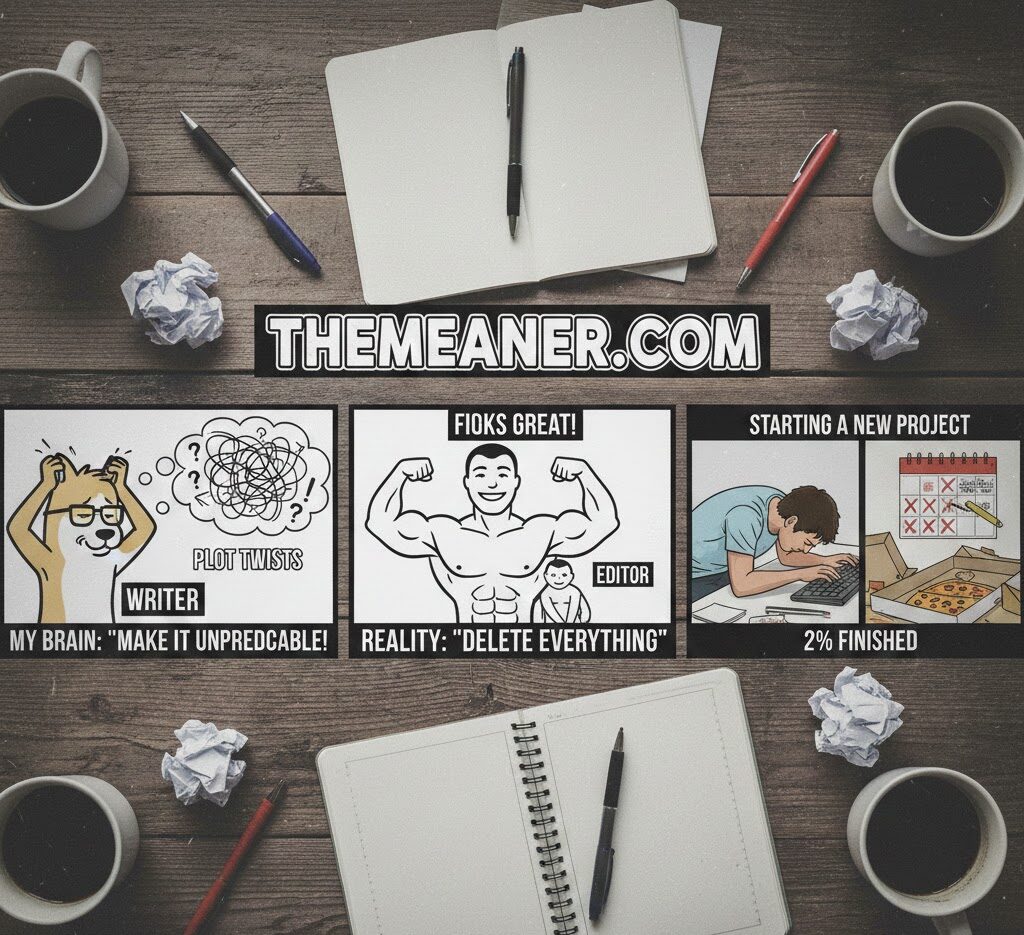
Memes have taken the internet by storm, transforming from simple jokes to a cultural phenomenon that resonates with millions. Among these digital gems are writing memes , which capture the essence of the writer’s struggle in a way that’s both hilarious and painfully relatable. If you’ve ever found yourself staring at a blank page or drowning in self-doubt while trying to craft your next masterpiece, you know exactly what we mean. These witty images and captions perfectly encapsulate our experiences as writers—turning frustration into laughter and loneliness into camaraderie. Let’s dive into why writing memes hit so close to home for so many of us!
Definition of Memes
Memes are a form of digital communication, often combining images with text to convey humor or commentary. They can take many shapes—pictures, videos, or even simple phrases that spread rapidly online. Originally rooted in the concept of cultural evolution coined by Richard Dawkins in his book “The Selfish Gene,” memes have evolved to reflect societal trends and shared experiences. In today’s context, internet memes encapsulate ideas and emotions that resonate with specific audiences. They rely on relatability and wit to engage viewers while encouraging sharing across social media platforms. This unique blend of visual art and written expression allows people to connect over common feelings or situations, turning mundane moments into widely understood jokes.
The Evolution of Memes
Memes have come a long way since their inception. Originally, the term was coined by Richard Dawkins in 1976 to describe ideas that spread like genes. Fast forward to the internet age, and memes transformed into images paired with text. The early days saw simple image macros featuring cats or popular pop culture references. These were straightforward—easy to create and share across forums and social media platforms. As technology advanced, so did meme complexity. GIFs emerged, along with videos tha t added layers of humor and context. Meanwhile, platforms like TikTok introduced new forms of expression through short clips. Content has also diversified dramatically. Today’s memes tackle everything from political commentary to everyday life struggles, reflecting global trends while still maintaining an air of relatability. This evolution mirrors cultural shifts and highlights how communication styles have adapted in our digital world.
The Power of Relatability in Memes
Relatability is the secret sauce behind successful memes. When a meme resonates with someone, it creates an instant connection. This shared experience can spark joy or laughter in unexpected ways. Think about your daily struggles as a writer. The blank page stares back at you, mocking your creativity. A well-crafted writing meme captures that feeling perfectly, allowing others to nod in agreement and share a laugh. Memes simplify complex emotions into bite-sized humor. They highlight frustrations and triumphs alike, making them universally appealing. This power of relatability fosters community among writers. It brings us together through common challenges like procrastination or self-doubt, reminding us we’re not alone on this journey. In essence, relatable memes transform individual experiences into collective moments of hilarity and understanding that everyone can appreciate.
Why Writing Memes are Especially Relatable
Writing memes tap into the universal struggles of authors. They capture the highs and lows of creativity in a way that resonates deeply. Whether it’s dealing with writer’s block or celebrating small victories, these memes reflect real experiences. The humor often lies in exaggeration, making our challenges feel lighter. Writers find solace in shared frustrations. A meme about procrastination strikes a chord because many have been there—scrolling through social media instead of finishing that chapter. These relatable visuals foster community among writers. They remind us we’re not alone in our journeys, creating bonds over similar experiences. Moreover, writing memes can be brutally honest yet funny. This blend makes them memorable and shareable across platforms, amplifying their reach within the writing community.
Examples of Popular Writing Memes
Writing memes come in many forms, each capturing the struggles and joys of being a writer. One popular meme features the classic “Distracted Boyfriend” format. Here, the boyfriend represents writers who are tempted by new ideas while neglecting their current projects. Another beloved example is the “This Is Fine” dog sitting calmly in a room on fire. It perfectly encapsulates those moments when writers feel overwhelmed yet try to maintain composure amidst chaos. The “Change My Mind” meme also resonates deeply with authors debating writing habits or preferences. It invites playful arguments about topics like outlining versus freewriting. Then there’s the iconic “Ight Imma Head Out” Spongebob meme, which humorously portrays every writer’s desire to escape from editing sessions that drag on too long. These relatable depictions connect with writers everywhere, making them laugh at shared experiences and frustrations in their craft.
How Writers Use Memes for Inspiration and Support
Writers often turn to memes as a source of inspiration. The humor and relatability found in these visuals can spark new ideas or provide fresh perspectives on their own experiences. When facing writer’s block, scrolling through writing memes offers a lighthearted break. Many writers find comfort in the shared struggles depicted in these images. They reflect common frustrations, reminding authors they are not alone in their journey. Memes also serve as a community-building tool. Writers share their favorites on social media, creating connections with fellow creators who understand the ups and downs of storytelling. Additionally, some writers use memes to convey complex feelings about their craft succinctly. A clever meme can express what words sometimes fail to articulate, serving both support and motivation. In this way, writing memes become more than just entertainment; they foster camaraderie among those navigating the intricate world of words.
Conclusion:
Writing memes have taken the internet by storm, creating a unique space for writers to express their collective struggles and triumphs. These little snippets of humor resonate deeply with those who pour their hearts into words, making them feel seen and understood. As we’ve explored, the evolution of memes has transformed from simple images with text to complex cultural artifacts that reflect our shared experiences. The relatability factor is what makes writing memes particularly powerful; they tap into the common feelings and frustrations every writer faces. From procrastination woes to imposter syndrome, these relatable themes foster a sense of community among creators. They validate emotions while providing comic relief. Writers often find inspiration in these humorous expressions—sometimes laughing at their own challenges can spark creativity or motivate them to push through writer’s block. The impact of writing memes reaches beyond just humor; they serve as reminders that no one is alone on this journey. As more writers embrace these funny yet poignant representations, it’s clear that writing memes will continue to thrive in literary circles and beyond. So next time you scroll through your feed and stumble upon a meme about writing, take a moment to appreciate its role in connecting us all—a small but significant part of being a writer today.