
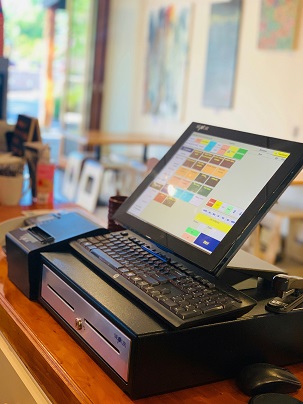
Payroll software refers to computer applications designed to streamline the payroll process for organizations, particularly small businesses. This software plays a crucial role in simplifying complex payroll tasks, ensuring that employees are compensated accurately and on time. It automates various functions associated with payroll processing, including the calculation of wages, tax withholdings, and benefits, which significantly minimizes the potential for human error.
One of the primary features found in payroll software is automatic tax calculations. This capability allows employers to stay abreast of ever-changing tax regulations, ensuring compliance and reducing the risk of penalties for inaccuracies. Employees benefit from the convenience of self-service portals, where they can access their pay stubs, tax documents, and manage their personal information, enhancing transparency and efficiency.
Additionally, payroll software typically includes robust reporting capabilities, enabling businesses to generate various reports such as gross pay summaries, tax liability reports, and more. Such tools offer valuable insights into labor costs and help small business owners make informed financial decisions. Ultimately, the amalgamation of these features creates an efficient platform that fosters smooth payroll operations.
For small businesses, the adoption of payroll software is particularly advantageous. It simplifies the operational aspects of payroll management, allowing owners and managers to dedicate more time to core functions such as growing their business and serving customers. By automating payroll tasks, businesses can not only save considerable time but also reduce errors that can lead to costly repercussions. In an era where accuracy and compliance are paramount, payroll software emerges as an indispensable asset for small enterprises.
The Advantages of Using Free Trials
Free trials of payroll software provide small businesses with a valuable opportunity to evaluate the suitability of a solution before making a financial commitment. These trials enable business owners to explore the software’s features and functionalities firsthand, ensuring that they align with their specific operational needs. By allowing hands-on experience, free trials eliminate the uncertainty often associated with purchasing software without prior testing.
During the trial period, users can assess essential features such as automated tax calculations, employee management, and reporting capabilities. This practical engagement helps small business owners determine whether the software can seamlessly integrate into their existing workflows. Additionally, free trials often provide access to all features available in the full version. Thus, businesses can understand what they are buying and can better compare it against other solutions in the market.
Another significant advantage of utilizing free trials is the opportunity to evaluate the vendor’s customer support systems. Reliable support is crucial, especially for small businesses unfamiliar with payroll processes or software tools. Engaging with support during the trial can give users insights into response times, problem-solving efficacy, and overall customer service quality. This evaluation can be instrumental in deciding whether the chosen software will meet ongoing support needs.
Furthermore, a free trial can empower business owners to make informed decisions based on the software’s performance as it relates to their unique circumstances. By observing how the payroll solution handles actual payroll scenarios, businesses can tailor their choice to what works best for them. Understanding these elements before committing can ultimately lead to more efficient payroll management and a better overall fit for the organization.
Factors to Consider When Choosing Payroll Software
When selecting payroll software, small businesses must carefully evaluate several critical factors to ensure they choose a solution that meets their needs. One of the foremost aspects is the software’s scalability. As businesses grow, their payroll requirements often change, necessitating a system that can adapt without requiring a time-consuming transition to a new program. Therefore, prospective users should ascertain how easily the software can adjust to accommodate an increasing number of employees or additional features.
User-friendliness is another vital consideration. Payroll software should be intuitive, allowing payroll personnel to process salaries efficiently without extensive training. A complex interface may lead to errors, resulting in delayed payments or compliance issues. Exploring options with a free trial can help small business owners gauge the system’s usability before committing to a purchase.
Additionally, the security features of the payroll software are paramount. Given the sensitivity of financial and personal employee data, it is essential to select a system that employs robust security protocols, including data encryption and regular backups. Understanding the vendor’s security measures can provide peace of mind and safeguard against potential data breaches.
The integration capabilities of the payroll software with existing systems, such as accounting software or human resource management tools, are also essential. A seamless integration reduces the likelihood of errors and streamlines overall business operations.
Finally, it is crucial to evaluate the pricing structure after the trial period. While some payroll software may appear affordable initially, hidden costs for additional features or employee management can lead to unforeseen expenses. Reading user reviews and seeking recommendations from fellow small business owners can offer valuable insights and help in making a well-informed choice.
Making the Most of Your Free Trial Experience
Utilizing a free trial of payroll software presents an excellent opportunity for small business owners to assess the suitability of a payroll solution before making a financial commitment. To maximize this experience, it is vital to adopt a structured approach. Start by setting clear objectives for what you aim to accomplish during the trial period. Identify specific payroll processes that need improvement, such as tax calculations, direct deposit setups, or employee onboarding.
Once your objectives are established, engage comprehensively with the software’s features. Test the system under real-world conditions by processing actual payroll scenarios. This hands-on approach will help you understand the user interface and identify any potential challenges that may arise during routine use. Be sure to explore the reporting tools available, as they can provide valuable insights into payroll performance and financial metrics.
In addition to personal exploration, utilize customer support resources. Don’t hesitate to reach out for assistance or clarification on functions you find complex. Engaging with customer support not only helps resolve issues but also provides insight into the company’s responsiveness and service quality, which are crucial for any long-term relationship.
Gathering feedback from employees using the payroll software is equally important. Encourage your team to share their experiences and suggestions regarding the usability of the system. Their practical insights can reveal whether the payroll software meets operational needs effectively and can aid in your final decision-making process.
By establishing objectives, thoroughly testing features, leveraging customer support, and incorporating employee feedback, you can ensure that your free trial experience provides a detailed evaluation of the payroll software tailored to your business needs.