
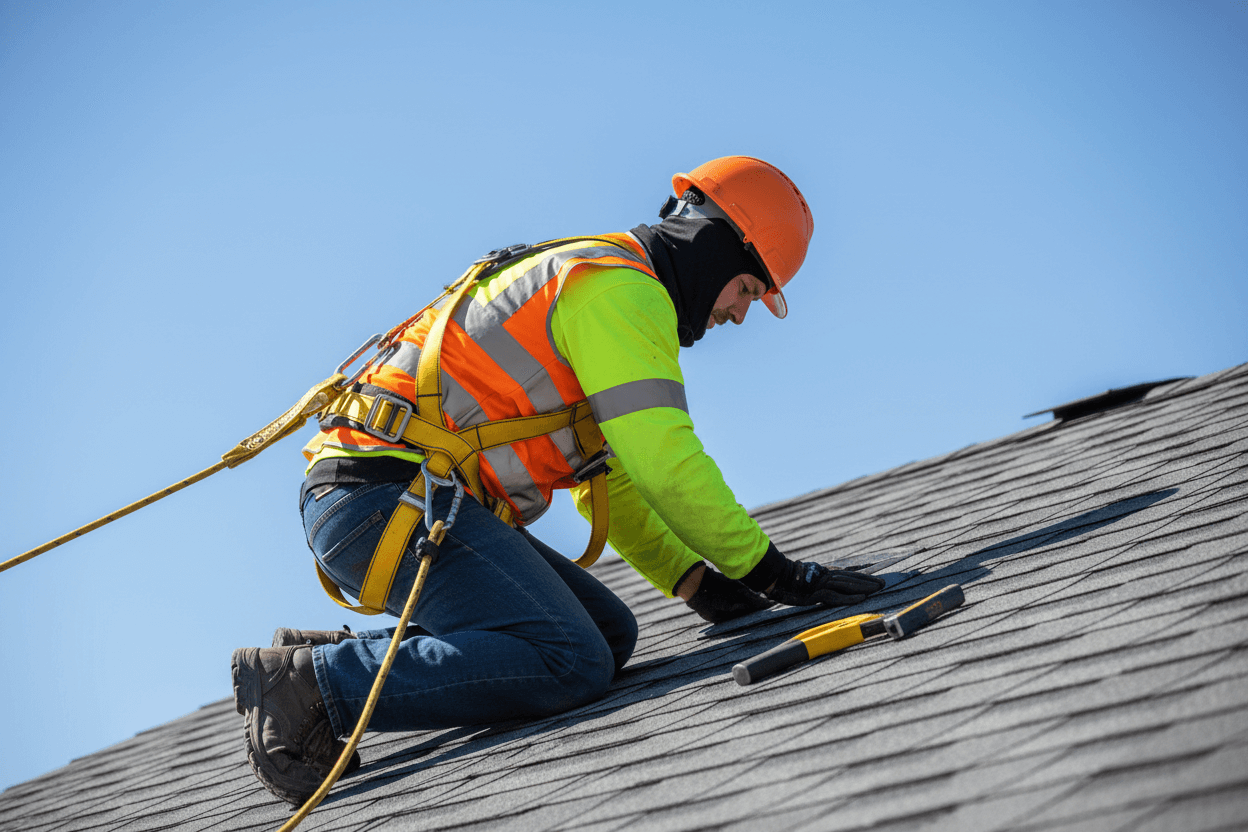
New roof installation projects involve multiple risks that require careful planning and strict safety practices to protect workers, property, and surrounding areas. From handling heavy materials to working at elevated heights, every stage of the process demands attention to detail and adherence to structured procedures. Safety considerations begin before the first material is lifted and continue until the final inspection is completed. Proper preparation, communication, and equipment usage play a central role in minimizing accidents and ensuring smooth progress. We will explore the key safety measures used during roofing installations to maintain controlled working environments and reduce potential hazards.
Structured Safety Protocols on Roofing Sites
-
Site Assessment and Risk Identification
Before any roof installation begins a detailed site assessment is conducted to identify potential risks and environmental conditions that may impact the work. At Three Tree Roofing, this process involves evaluating the building structure surrounding terrain weather forecasts and access points for equipment and materials. Workers examine weak structural areas overhead power lines and potential fall hazards to establish a clear understanding of site-specific challenges. This step also includes determining safe entry and exit routes staging zones for materials and areas where protective barriers may be required. By documenting these findings teams can develop a structured plan that reduces uncertainty during active construction. Communication between supervisors and workers is emphasized to ensure that all identified risks are clearly understood before operations begin. This early-stage evaluation plays a critical role in preventing accidents and maintaining controlled working conditions throughout the installation process. Continuous updates are made as conditions change on site throughout the project timeline.
-
Use of Protective Equipment and Gear
Protective equipment is a fundamental requirement on roof installation sites, ensuring that workers are safeguarded against common hazards associated with height and heavy materials. Standard gear includes helmets, harness systems, non-slip footwear, gloves, and high-visibility clothing. Each item serves a specific function, such as preventing head injuries from falling objects or reducing the risk of slips on uneven surfaces. Harnesses are anchored to secure points to prevent falls, while helmets are designed to withstand impact from debris. Regular inspection of this equipment is conducted to ensure it remains in good condition and functions as intended.
Workers are also trained on proper usage techniques to maximize effectiveness and avoid misuse. Supervisors monitor compliance throughout the workday to maintain consistency in safety standards. By integrating protective equipment into daily routines, roofing teams significantly reduce the likelihood of injuries and maintain a safer working environment during installation activities. Routine checks also help ensure long-term reliability of all safety gear used on site inspections.
-
Fall Prevention Systems and Guardrails
Fall prevention systems are critical in roofing projects where workers operate at significant heights. These systems include guardrails, safety nets, anchor points, and temporary edge protection structures installed around open or exposed areas. Guardrails are typically placed along roof perimeters to create a physical barrier that reduces the risk of accidental falls. Safety nets provide an additional layer of protection by catching individuals or materials that may slip past primary barriers. Anchor points are strategically positioned to allow secure attachment of harnesses, ensuring workers remain connected to stable structures at all times.
Installation of these systems is planned before active roofing work begins, and they are regularly inspected for stability and integrity throughout the project. Adjustments are made as the roof structure progresses to maintain continuous protection. Proper implementation of fall prevention systems significantly reduces the likelihood of serious incidents and supports controlled movement across elevated surfaces during construction activities.
-
Material Handling and Equipment Safety
Safe handling of roofing materials and equipment is essential to prevent accidents and ensure smooth workflow during installation projects. Roofing materials such as shingles, metal sheets, insulation panels, and adhesives are often heavy and require coordinated lifting techniques. Workers are trained to use proper lifting techniques and mechanical aids, such as hoists or cranes, to reduce physical strain and prevent injuries. Equipment such as ladders, scaffolding, and power tools must be inspected before use to confirm they are in safe working condition.
Materials are stored in designated areas to prevent obstructions and reduce the risk of trips. Clear communication among team members ensures that materials are moved efficiently and safely across the site. Supervisors oversee loading and unloading processes to maintain order and prevent mishandling. By following structured procedures, roofing teams minimize risks associated with material transport and maintain consistent safety standards throughout installation activities. Regular audits ensure compliance with established safety procedures at every project site level.
-
Emergency Preparedness and Response Planning
Emergency preparedness is a crucial component of roof installation projects, ensuring that teams are ready to respond effectively to unexpected incidents. This includes developing clear evacuation routes, identifying first aid stations, and assigning trained personnel to handle emergencies. Workers are briefed on procedures for situations such as falls, equipment failure, or sudden weather changes. Communication systems are established to allow rapid reporting of incidents to supervisors and emergency services. Fire extinguishers and first aid kits are strategically placed across the site for immediate access.
Regular drills are conducted to reinforce response procedures and ensure familiarity among all team members. Supervisors monitor adherence to emergency protocols and update plans as site conditions evolve. By maintaining a structured response system, roofing teams can minimize the impact of accidents and ensure worker safety during critical situations that may arise during installation activities. Continuous improvement strengthens overall safety readiness.
Roof installation projects require consistent attention to safety at every stage from initial planning to final inspection. Each measure implemented on site contributes to reducing risks and maintaining a controlled working environment for all personnel involved. Careful preparation, proper use of equipment, structured fall-prevention systems, and clear communication all work together to support safe project completion. When safety protocols are followed without compromise, the likelihood of accidents decreases, and overall efficiency improves. Maintaining discipline in these practices ensures that both workers and property remain protected throughout the installation process, resulting in reliable, stable roofing outcomes for long-term durability.