
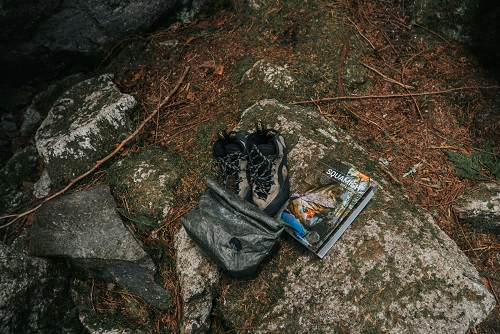
Selecting the right backpacking essentials is crucial for any first-time backpacker embarking on an adventure. The backpack is not just a vessel for carrying belongings but also a key component in ensuring comfort and convenience throughout the journey. When evaluating backpack options, consider factors such as size, weight, and fit. Aim for a size that can accommodate your gear without being unwieldy. A general guideline is to select a pack with a capacity of 50 to 70 liters for multi-day trips.
The weight of the backpack itself is another important consideration. Lightweight packs generally offer ease of mobility and comfort, especially for long hikes. It is essential that the backpack fits your torso length and includes adjustable straps, allowing you to achieve a snug fit that distributes weight evenly across your body.
Equally important is choosing the right gear. Essential items include a robust sleeping system, such as a sleeping bag rated for the temperatures you expect to encounter. Opt for lightweight, compressible sleeping bags that still provide adequate insulation. Additionally, investing in high-quality cooking gear like a portable stove and compact cookware is advisable for preparing nutritious meals on the trail.
Regarding clothing, prioritize moisture-wicking and quick-dry fabrics. Layering is key; a good base layer to wick sweat, an insulating mid-layer, and an outer layer that is wind and waterproof will cover most weather conditions. Don’t overlook the importance of sturdy footwear; well-fitted hiking boots or shoes designed for rugged terrain can make a significant difference in comfort and stability.
Lastly, safety items such as a first aid kit, multi-tool, headlamp, and navigational tools should be prioritized as they could prove invaluable during unforeseen circumstances. Identify what is essential versus optional, ensuring you carry only the necessary items to maintain a manageable load while still being prepared for your adventure.
Planning Your Route and Itinerary
When embarking on your first backpacking adventure, careful planning of your route and itinerary is crucial, yet it is equally important to remain flexible. A well-structured itinerary should serve as a guide, allowing space for spontaneity and exploration, which are the hallmarks of the backpacking experience.
Begin by researching potential destinations that pique your interest. Consider employing local travel blogs, online forums, and social media platforms to gather insights about unique places, cultural practices, as well as popular attractions. This research not only enriches your understanding of the destinations but also helps you connect with the local culture. Engaging with local communities and trying out local cuisines enhances the overall travel experience.
Next, utilize travel applications for managing your itinerary and navigation. There are numerous apps available that provide maps, transportation schedules, and accommodation options. Tools like Google Maps can guide you through unfamiliar spaces while applications like Rome2rio can assist in planning routes between various locations. This technology can also help you find alternate routes, should your plans change dramatically.
Time management is another essential aspect of planning an effective itinerary. While it is tempting to pack your schedule with activities, a more relaxed approach may improve your experience. Consider allocating ample time for each destination, allowing yourself to enjoy the scenery and engage in unexpected adventures. Grouping nearby attractions can help maximize your time efficiency while also providing opportunities for unscripted encounters.
Ultimately, your backpacking essentials itinerary should be a balance between structured plans and open exploration. Embracing flexibility will enhance your journey, enabling you to discover hidden gems that are often overlooked in typical travel guides. The goal of your adventure is not only to see new places but also to immerse yourself fully in the diverse cultures and stories each destination offers.
Budgeting and Managing Finances on the Road
Budgeting is a crucial aspect for first-time backpacking essentials as it directly influences the quality and extent of their travel experience. Establishing a budget before embarking on your journey can help ensure that you allocate your finances wisely throughout your travels. Begin by determining how much you can realistically spend and break down your expenses into several categories: accommodation, food, transportation, and activities.
When it comes to accommodation, consider opting for hostels, budget hotels, or guesthouses, which offer various levels of comfort at affordable prices. Additionally, platforms that allow travelers to connect with local residents for shared accommodations—such as Airbnb—can provide unique experiences while saving money. Moreover, booking in advance often secures better rates.
Food is another area where significant savings can be achieved. Embrace the local cuisine by eating at street vendors or local markets, which often offer cheaper alternatives compared to restaurants. Preparing your own meals, if possible, can also drastically reduce food expenditure. Look for grocery stores or markets that allow you to buy fresh ingredients at a reasonable cost.
Transportation should be approached with careful consideration. Utilize public transport systems, as they are typically more economical than taxis or rideshare services. In many destinations, walking or cycling can also be an excellent way to explore while saving on costs. If long-distance travel is necessary, research budget airlines or bus companies for affordable rates.
Activities can oftentimes incur unforeseen costs; hence, it is wise to prioritize and select those that fit within your budget. Look for free walking tours or community events, and consider purchasing multi-attraction passes that can offer discounts. Finally, always be cautious with currency exchange; it is advisable to exchange a small amount of cash before arriving at your destination and to avoid exchanging money at airports due to high fees. Carrying cash responsibly and splitting large sums into smaller denominations can safeguard your finances while traveling.
Staying Safe and Healthy While Backpacking
When embarking on a backpacking essentials adventure, prioritizing safety and health is paramount. Backpackers must remain vigilant against common hazards, such as theft, injuries, and environmental challenges. Securing personal belongings is essential; utilize lockable zippers for your backpack and consider keeping valuables, like passports or electronics, in a money belt that remains close to your body.
In remote areas where medical facilities may not be readily accessible, it is advisable to familiarize yourself with the nearest hospitals or clinics before venturing too far from populated regions. Additionally, carry a basic first aid kit tailored to your specific needs. This kit should include items such as band-aids, antiseptics, pain relievers, and any personal medications. Knowing how to treat small injuries or ailments can prevent trivial issues from escalating.
Maintaining physical health is another key component of a successful trip. Before heading out, ensure you are in good physical shape to manage the rigors of backpacking. Stay hydrated by drinking plenty of water, especially in hot or high-altitude environments, and consume nutritious meals to keep your energy levels stable. Regular breaks during hikes can help prevent fatigue and minimize the risk of injury.
Moreover, mental well-being is critical while backpacking essentials. The experience can be exhilarating but also overwhelming at times, so practice mindfulness, acknowledge your feelings, and take time to reflect. Stay connected with family and friends by regularly checking in, which can provide emotional support and peace of mind. In the event of an emergency, make sure you have a plan in place, including knowing how to reach local authorities or evacuation services.
By taking these precautions, first-time backpackers can enhance their adventure while minimizing risks associated with health and safety.