
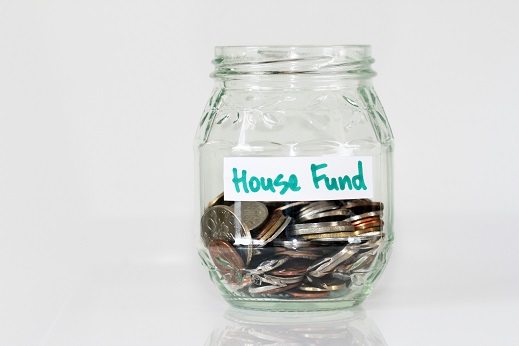
An emergency fund is a designated financial reserve specifically created for unexpected expenses and Emergency Fund Importance that can adversely affect financial stability. These may include sudden medical bills, job loss, urgent home repairs, or any unforeseen circumstance that requires immediate financial attention. The lack of an emergency fund may lead individuals to rely on high-interest credit cards or loans, which can result in an accumulation of debt during already stressful times.
Statistics show that approximately 40% of Americans are unable to cover a $400 unexpected expense without borrowing money. This alarming figure highlights the dire need for a safety net that an emergency fund provides. Financial setbacks can occur to anyone, at any time, and being unprepared can exacerbate these situations. For instance, an unexpected medical expense can drain savings, while a job loss can lead to substantial financial strain if there isn’t a backup plan in place.
Having an emergency fund not only acts as a buffer against these economic shocks but also promotes a sense of financial security and peace of mind. With a solid emergency fund, individuals are less likely to panic during crises and can approach financial hardships with a more level-headed mindset. Furthermore, an effective safety net helps avoid the vicious cycle of debt and allows for a swift recovery when unexpected expenses strike.
To create a robust emergency fund, financial experts recommend setting aside three to six months’ worth of living expenses. This amount can provide enough coverage to handle various emergencies without succumbing to financial burdens that can arise from inadequate savings. Ultimately, establishing an emergency fund is a proactive step toward enhancing financial resilience and ensuring stability in times of need.
How Much Should You Save for Your Emergency Fund?
Determining the optimal size of your emergency fund is a crucial step in financial planning. A general guideline proposes saving three to six months’ worth of living expenses. This rule of thumb aims to ensure that you have adequate funds to cover unforeseen circumstances, such as job loss, medical emergencies, or necessary home repairs. However, the specific amount you need may vary based on individual circumstances, making it imperative to assess your unique situation carefully.
Several factors should be taken into consideration when determining how much to save for your emergency fund. One primary factor is your lifestyle; if your monthly expenses are significantly higher due to certain lifestyle choices, you might want to aim for the upper end of the three to six-month range. Alternatively, individuals with lower recurring expenses may find that three months suffice.
Job security also plays a pivotal role in your savings strategy. For those in fields that experience volatility or instability, it would be wise to lean toward saving more than six months’ worth of expenses. On the other hand, individuals with stable employment in well-established companies may be more comfortable maintaining a smaller fund.
Your family circumstances can also influence how much you need to have saved. Single individuals living alone may have different financial requirements compared to those supporting a family. Additionally, be mindful of extra costs such as health insurance premiums, education expenses, or other irregular financial obligations that can further impact your required emergency fund amount.
Ultimately, the key is to tailor your savings goals based on these factors. By understanding your own financial landscape, you can better prepare for unforeseen financial setbacks and ensure your peace of mind in times of need.
Strategies to Build Your Emergency Fund
Building an emergency fund requires a strategic approach to savings and financial management. The first step is to assess your current financial situation by taking stock of your income, expenses, and outstanding debts. This assessment helps you understand how much you can allocate toward savings without compromising your essential needs.
Once you have a clear picture of your finances, it is crucial to set a realistic savings goal for your emergency fund. Financial experts generally recommend saving enough to cover three to six months’ worth of living expenses. Defining this target creates a measurable benchmark to strive for, ensuring that your fund is substantial enough to support you in times of need.
Automation can play a vital role in building your emergency savings. By setting up automatic transfers from your checking account to a dedicated savings account, you can make consistent contributions without having to remember to do so each month. This approach transforms your savings into a priority and can accelerate the growth of your emergency fund significantly.
Additionally, prioritizing your Emergency Fund Importance fund over discretionary spending is essential for achieving your savings goals. Periodically reviewing your spending habits and cutting back on non-essential expenses can free up more money for your savings. Consider items like dining out, subscription services, or impulse purchases that can be reduced or eliminated.
Choosing the right savings vehicle is equally important. High-yield savings accounts typically offer better interest rates than traditional accounts, allowing your emergency fund to grow faster. Moreover, exploring opportunities for extra income, such as freelance work or selling unused items, can provide a boost to your savings efforts and expedite the growth of your emergency fund. Through consistent savings and financial discipline, you can successfully build a robust emergency fund to secure your financial future.
Tips for Maintaining Your Emergency Fund
Once an Emergency Fund Importance is established, it is crucial to implement effective strategies to ensure it remains intact and functional as a financial safety net. One of the key practices is to make regular contributions to the fund. Setting up automatic transfers from your primary account into the emergency fund can promote this discipline. Even small, consistent contributions can accumulate over time, enhancing the fund’s balance and ensuring you are better prepared for unforeseen circumstances.
Additionally, it is essential to periodically reassess the emergency fund’s adequacy in relation to your current life circumstances. Factors such as changes in income, household responsibilities, or new financial obligations greatly influence the amount needed in your emergency reserve. Life events such as starting a family, purchasing a home, or changing jobs can necessitate adjustments to your fund. Reviewing your fund at least annually, or whenever significant changes occur, will help you ensure that you are properly covered.
Furthermore, knowing when to utilize the Emergency Fund Importance is critical. It is designed for genuine emergencies, such as medical expenses, car repairs, or loss of income. Striking a balance in using the fund without depleting it entirely is essential. Before withdrawing, evaluate the urgency of the situation. This strategic approach ensures that your financial buffer is not compromised in non-emergent situations.
Lastly, maintaining discipline is pivotal in managing your emergency fund. Psychological factors play a considerable role in saving habits. Avoiding the temptation to dip into the fund for non-essential purchases requires conscientious decision-making. Developing a clear understanding of what constitutes an emergency as opposed to a mere want can help uphold the fund’s integrity and purpose.