
Canadians are starting to realise that clear tap water does not always mean clean tap water. PFAS and microplastics sound technical, almost distant, yet they are quietly moving into everyday conversations at kitchen tables. With more studies and headlines popping up, homeowners are beginning to question what exactly is flowing through their pipes. PFAS are long lasting synthetic chemicals, and microplastics are tiny plastic fragments that can slip through traditional treatment and into the water stream. Together, they make people wonder if their taps are really as safe as they appear. That is why many households now look at water filtration systems for home Canada as less of a luxury and more of a practical layer of protection.
Tiny Contaminants With Big Reputations
PFAS And Microplastics Explained Simply: PFAS are often called forever chemicals because they break down very slowly in the environment. Microplastics are small pieces shed from larger plastics through wear, weather and daily use. Both can be invisible in water, which is why regular taste and smell checks are not enough. That makes trust in treatment and filtration much more serious.
Why These Pollutants Are Trending Now: PFAS and microplastics have been around for years, quietly building up in water, soil and even food chains. Their growing reputation in 2026 comes from stronger research and media focus, not from them suddenly appearing. As testing improves, more people see the gap between what is legally acceptable and what feels comfortable for their family.
Persistent Contaminants That Do Not Leave Easily: These substances are known as persistent organic pollutants, which means they hang around in the environment for long periods. They move through rivers, lakes and groundwater, and standard municipal treatment is not always designed to tackle them fully. That persistence is what worries many homeowners, especially those with children or health sensitivities.
How These Intruders Reach Your Tap
From Industry And Everyday Products: PFAS can enter water supplies through industrial discharge, firefighting foams and consumer products that resist stains, water or heat. Microplastics often come from clothing fibres, degraded packaging and household plastics. Over time, rainfall and runoff wash these particles into lakes and aquifers that eventually feed residential water systems.
Municipal Treatment Limits: Treatment plants do a solid job on many traditional contaminants, but PFAS and microplastics present different challenges. Some particles are too small or too chemically stable for standard processes to remove effectively. That does not mean every tap is unsafe, but it does mean residents cannot rely only on basic treatment for complete peace of mind.
Pipelines, Plumbing And Home Factors: Ageing pipes, plastic plumbing components and even storage tanks can influence what ends up in your glass. Microplastics can shed from fittings or join water that has already picked up contaminants upstream. For suburban and rural homes, private wells and local infrastructure introduce another layer of uncertainty that many families would rather manage proactively.
Health Risks Homeowners Should Not Ignore
Long Term Exposure Concerns: Research suggests PFAS exposure may be linked to issues involving immunity, cholesterol levels and certain cancers, particularly over long periods. Microplastics may act as carriers for other chemicals, though the full health picture is still developing. Homeowners do not need every detail to know that reducing unnecessary exposure is a sensible step.
Vulnerable Groups And Daily Use: Children, pregnant people and anyone with existing health conditions often feel the potential risk more sharply. They drink the same water, cook with it and use it in everyday routines. For these groups, even low level contaminants can feel like an avoidable gamble, especially when filtration options are readily available and not only for luxury homes.
Peace Of Mind As A Health Benefit: Beyond clinical studies, there is the mental load of wondering what is in every glass. Knowing a well considered filtration setup is in place lifts some of that quiet stress. When families feel confident that they have taken reasonable precautions, they are less distracted by worry and more focused on living with practical, grounded reassurance.
Smart Filtration Tech That Actually Helps
Activated Carbon As The First Defence: High quality carbon filters are widely used because they can reduce many organic compounds and improve taste and odour. When designed correctly, they can also help reduce certain PFAS levels by adsorbing them onto the carbon surface. For many Canadians, this is the first step away from basic jug filters and towards serious home treatment.
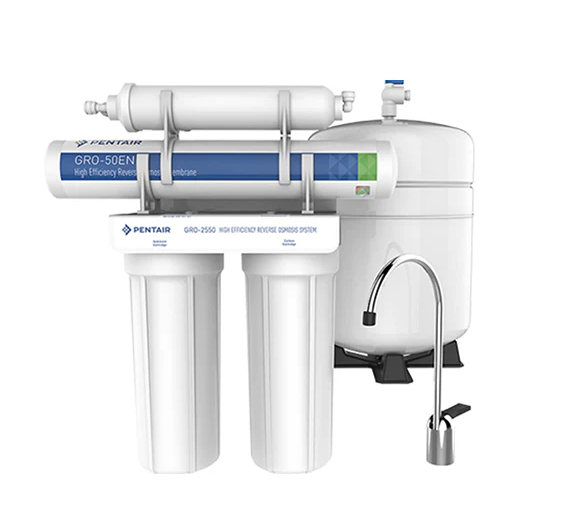
Reverse Osmosis For Finer Control: Reverse osmosis uses a semi permeable membrane to separate many contaminants from water at a microscopic level. It can significantly reduce a wide range of substances, including some PFAS and many dissolved solids. For households that want a more thorough approach, pairing carbon with reverse osmosis filtration often feels like a strategic upgrade.
Whole Home Versus Point Of Use: Some families choose whole home systems that treat water as it enters the property, protecting showers, dishwashers and laundry. Others focus on point of use systems at key taps where water is used for drinking and cooking. A thoughtful assessment of budget, plumbing layout and water habits helps decide which route offers the best value.
Carbon Power And Membrane Muscle
Why Carbon Based Systems Still Matter: Carbon filtration remains a core tool because it is versatile and relatively cost effective. It can reduce chlorine, some PFAS, pesticides and other organic compounds that influence both health and taste. For municipal water users, a properly sized carbon system often feels like an essential baseline, not an optional extra.
Reverse Osmosis As A Precision Tool: Reverse osmosis systems offer fine control over many contaminants, supporting households that want another layer beyond carbon alone. They can be installed under sinks or integrated into more complex setups. When maintained correctly, they provide a reliable line of defence against a mix of dissolved pollutants that might bypass simpler solutions.
Combining Technologies For Real World Gains: No single technology solves every problem, which is why many Canadian homes choose layered solutions. A mix of sediment filters, carbon stages and membranes can handle different particle sizes and chemical profiles. This more holistic approach protects against PFAS, microplastics and many other unwanted guests that move through changing local supplies.
Practical Steps To Check Your Home Risk
Start With Water Quality Data: Homeowners can begin by reviewing local water reports and, where possible, seeking specific testing for PFAS and microplastics. While some data may feel patchy, it still gives a baseline for decision making. Private testing is an option for those who want more detail, especially in rural or mixed supply situations where quality can vary.
Match Solutions To Real Conditions: Once there is a general picture of risk, households can map that against practical options. Older buildings, well water and heavy appliance use may call for different solutions than new builds on stable municipal lines. Taking time to compare system capacity, filter life and long term running costs helps avoid half measures that disappoint later.
Actionable Safety Checks Right Now:
- Check existing filters, if any, and replace cartridges that are overdue or of unknown quality.
- Inspect under sink and basement plumbing for signs of corrosion, leaks or low grade materials.
- Consider a professional water test where PFAS or microplastic concerns are higher.
- Shortlist treatment options that combine sediment, carbon and membrane stages suited to your supply.
Conclusion
Taking Back Control Of Your Tap Water: PFAS and microplastics may sound daunting, but they do not have to leave your household feeling powerless. By understanding how these contaminants move, exploring suitable filtration technologies and assessing your own plumbing setup, you can build a smarter defence. If safe, great tasting water is a priority for your family, now is the time to review your options and move from concern to concrete action.