
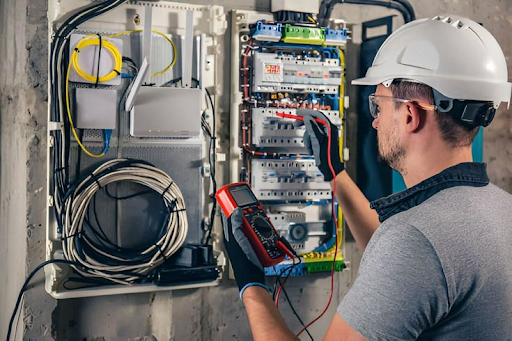
As a homeowner, keeping your property and family safe is very important. An EICR is an official document that shows if your electrical system is safe and meets the current rules. In this post, we will look at what homeowners should know about an EICR inspection, why it is important, and how it can help keep your home safe.
What is an EICR?
An Electrical Installation Condition Report (EICR) is a formal check done by a trained electrician to evaluate the state of a property’s electrical system. The inspection aims to find any dangers or problems in the electrical system, like exposed wires, old wiring, or bad grounding, that could be risky for the people living there.
The EICR is a legal requirement for landlords in the UK, and the EICR certificate cost in London is fairly low. They need to make sure their rental homes have a valid EICR every five years. Even if you don’t have to, getting an EICR certificate for your home can help you feel safer and avoid expensive electrical problems later on.
Why is an EICR Important for Homeowners?
Many people who own homes often ignore their electrical systems until there’s a problem. But checking the electrical components regularly can help avoid serious issues like:
Fire Risks: Bad wiring and old electrical systems are major reasons for house fires. Electrical Shocks: These can happen if the wiring is bad, connections are loose, or outlets are damaged.
Insurance Regulations: Some insurance companies need a current EICR before they will pay for damages from electrical problems.
Property Value: A good EICR report can make your property worth more because it shows buyers that the electrical system is safe and meets the rules.
What to Expect from an EICR Inspection?
An EICR inspection usually takes one to three hours. The time it takes depends on how big your property is and how complicated the electrical setup is. Here’s what you can expect during the inspection:
Pre-Inspection
Before the inspection, make sure that all the places in your home with electrical fittings are easy for the electrician to reach. This includes:
- Ensuring that fuse boxes, distribution boards, and electric meters are easy to get to
- Removing anything that is blocking outlets, light switches, and other electrical parts
- Make sure to unplug any electrical devices you have (although the electrician usually does this)
Visual Inspection
The first step of the EICR inspection is a manual check of your electrical system. This means:
Checking the Fuse Box: The electrician will make sure your fuse box is in good condition, has the right labels, and meets safety standards.
Wiring Condition: The electrician will check the visible wires for any damage, signs of wear, or rust.
Switch and Socket Condition: Check the condition of sockets, switches, and outlets for any problems like overheating, cracks, or signs of sparking.
Checking the electrical setup carefully is important, but it’s only the first step. It helps the electrician find any obvious dangers or problems, but more tests are needed to check how safe the entire electrical setup is.
Testing the Electrical System
The main part of the EICR inspection is doing several tests to check how safe and well the electrical system works. The electrician will use special tools to take measurements.
Earth Continuity: Makes sure the ground connection is secure to avoid electric shocks if there are problems.
Insulation Resistance: This test looks at the wiring to make sure it is well-protected. It helps to ensure that electrical wires are safe and won’t cause short circuits or fires. Polarity: Checks that the live and neutral wires are connected properly to make sure that outlets and switches work safely.
RCD Testing: The electrician will check the Residual Current Device (RCD) to make sure it works properly and shuts off the electricity if there’s a problem. This helps to stop electrical shocks.
Loop Impedance: It checks the total resistance in the circuit to make sure the circuit breaker will turn off if there’s a problem, helping to stop electrical fires.
Reporting
After the electrician finishes testing, they will put their results into an EICR report. The EICR certificate cost in London is less and will have:
- A brief overview of the inspection and any problems discovered
- Suggestions for any needed fixes or improvements. The report will say if the installation is in “Satisfactory” or “Unsatisfactory” condition. If there are any problems that could be dangerous, they will be clearly mentioned in the report
- The date of the inspection and when the next one should happen (usually within five years)
Conclusion
For homeowners, getting an EICR inspection is very important for keeping your home safe and protecting your family from electrical dangers. Whether you’re buying your first home or have been in your place for a long time, regular EICR inspections make sure your electrical system is safe, current, and follows the rules. When you know how things work and what to expect, you can help keep your home safe and secure.